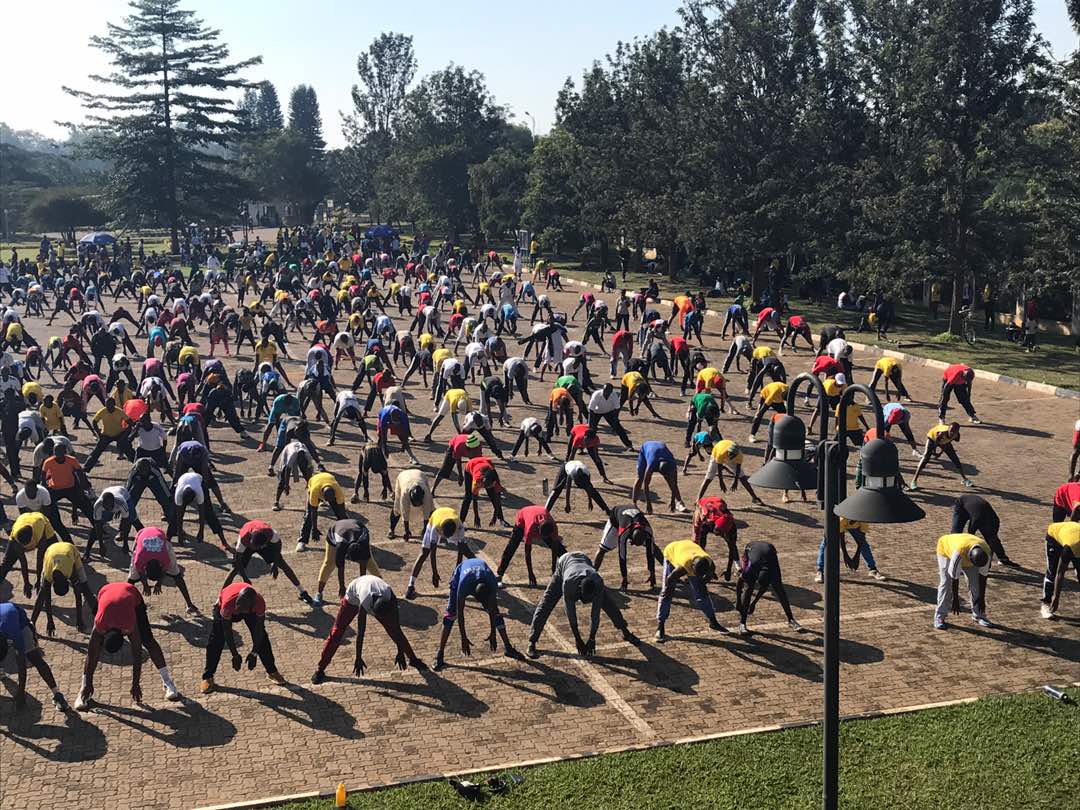
What’s the best time of the day to exercise?

Health Check: what’s the best time of the day to exercise?

Michele Lo, Victoria University and David Kennaway

Most people are aware of the importance of being active and exercising daily. Unfortunately, due to busy schedules, most people are forced to exercise around other numerous commitments. However, the timing of exercise can have profound effects on performance.

All the functions and systems of the human body are moderated by a pattern called circadian rhythms (from Latin circa dies about a day). As the name suggests, these rhythms are a biological phenomena with a periodic oscillation of 24.2 hours on average. Examples of these rhythms include our body temperature, sleep/wake cycles, and the production of hormones. Human and animal lives are synchronized with the solar day and the cyclic alternations of light and darkness.

When the eyes are exposed to light, a signal reaches light/darkness receptors in the brain called zeitgebers (German for “time givers”). This portion of our brain, the suprachiasmatic nucleus, also often referred to as the “master biological clock”, is the head of a complex hierarchical system that controls how the rhythms of our body are synchronized.

When to exercise

These rhythms are also related to many aspects of exercise, although their influence on athletic performance is still a matter of debate. Some argue the performance of professional athletes might be influenced by the scheduled time of a competition. However, performance is a complex process involving many different factors and the influence of circadian rhythms on the outcomes of athletes is still uncertain.

The time window of performing physical activity is broad and can change according to individual differences. In particular, people can be assigned to two broad groups: larks (people who go to bed early and rise early) and owls (people who go to bed late and rise late).

This time preference affects all biological rhythms, including the ability to exercise and perform. In general, it seems the best athletic performance is achieved late afternoon/early evening when several exercise related rhythms reach their circadian peak. This means exercising at this time has the best results for increasing fitness, increasing lean muscle, and reducing fat tissue.

The ability to perform endurance exercise is stable across the day but it is during the evening that reaction time, joint flexibility, muscle strength and power reach their highest level. During evening hours, the rating of perceived exertion (a measure that represents how hard a person feels their body is working) is lower. This means we feel less exerted so we can work harder and get better results.

Several world records in a number of sports have been broken in the late evening. However, training too late during the evening can have detrimental effects on the sleep-wake cycle.

Evening is the best time to exercise if you want to increase fitness, build lean muscle and reduce fat tissue.
Dan Nguyen/Flickr, CC BY

Cost of exercise on sleep

Sleep is a particular circadian rhythm. The function of sleep is still not completely understood although it is known that sleep is very important for many biological functions. In particular, sleep is one of the best ways to recover after exercise.

The onset of sleep is generally associated with a decrease of body temperature and an increase in the production of a hormone called melatonin. Exercising late at night causes an increase in body temperature and reduces the production of melatonin, affecting our ability to sleep. Although certain strategies such as diet may somewhat counteract these effects on sleep.

Physical activity results in energy consumption. It is important at the end of a training session to replenish our tank with the appropriate quantity and quality of fuel. The human body is propelled by food but choosing the right diet can be difficult.

Nevertheless, there are guiding principles that have to be followed. For instance, diets should be personalised and based on individual needs and goals.

All that is lost during exercise should be replenished with a balanced meal post-exercise. In the case of a late evening training session, the quality and the time of the post-exercise meal can be crucial for the subsequent night of sleep. To enhance our sleep quality, the last meal of the day should be eaten no later than one hour before going to bed.

This last meal should be high in both carbohydrates and proteins. These two macronutrients can respectively reduce the time required to fall asleep and improve the quality of sleep. On the other hand, meals high in fat should be avoided since they appear to reduce the duration of sleep.

The timing of exercise can have a meaningful influence on the quality of training and recovery, especially for athletes. However, most people should be more concerned about the act of exercising itself than its timing.

The Conversation

Michele Lo, PhD candidate in Sport Science at the College of Sport & Exercise Science and Institute of Sport Exercise & Active Living, Victoria University and David Kennaway, Professor

This article was originally published on The Conversation. Read the original article.

What’s happening to us when we get drunk?

What’s happening to us when we get drunk?

Stephen Bright, Curtin University

The Australian relationship with alcohol is complicated. It’s a colourful thread woven into the fabric of our society.

As a chemical, alcohol is a very simple molecule, but its effects on the brain are quite complex. And different people respond differently to alcohol in different situations.

Consumed orally, alcohol enters the bloodstream through the gastrointestinal tract. The amount that is absorbed varies from individual to individual depending on their genetic make-up and any medical conditions. It also varies depending on whether there is food in the gut, since this can reduce absorption into the bloodstream.

The size of the person and ratio between muscle and fat will also affect the rate at which the person’s blood alcohol concentration rises with consumption. Because alcohol is water-soluble, if two people weigh the same, the person with more muscle and less fat will have a lower blood alcohol concentration than somebody with more fat and less muscle after consuming the same amount of alcohol.

Once in the bloodstream, alcohol affects many of our body’s organs, but the nervous system (including the brain) is key in terms of behavioural effects. Alcohol acts as a central nervous system depressant. This means it slows down the rate at which brain cells and other nerves in the body communicate with one another.

Some people are surprised to find out alcohol is a central nervous system depressant since a low dose of alcohol can often lift one’s mood and act as a social lubricant.

Low doses

The reason alcohol acts as a social lubricant is because it reduces the functioning of the limbic system of the brain. The limbic system is responsible for producing emotions that drive anxiety and fear. As such, we tend to feel a little less socially awkward after a few drinks.

In addition, alcohol reduces the functioning of the pre-frontal cortex – the part of the brain responsible for higher-order cognitive processing (including reasoning and judgement). This leads people to be less inhibited and more impulsive after they have had a few drinks.

One danger of this reduction in inhibitions and impaired judgement is that people can sometimes consume more alcohol than they had originally intended.

Higher doses

As the dose of alcohol increases, so does the impact on the brain. Functioning of the pre-frontal cortex becomes further impaired such that people’s behaviour becomes even more uninhibited and judgement further impaired. Consequently, our behaviours are increasingly driven by the more primitive parts of the brain. Hence the potential increase in aggression and sexual prowess.

Things we wouldn’t do sober…
Toby Bradbury/Flickr, CC BY

Alcohol also impacts on the cerebellum – the region at the back of the skull that co-ordinates muscle activity. Motor co-ordination increasingly becomes impaired as the dose of alcohol increases. Along with this comes the sensation of dizziness that can lead to nausea and vomiting.

High doses of alcohol also slow down the rate at which neurons communicate in the parts of brain that are essential for controlling our vital processes such as heart rate and breathing (the pons – part of the brainstem that directs messages to the cerebellum).

In an alcohol overdose, a person will stop breathing completely, causing death.

Set and setting

While the pharmacology of alcohol has a significant role in some of the subjective effects we experience from it, the influence of the environment that a person is drinking in and their pre-drinking psychological state cannot be underestimated.

In terms of setting, think about the difference between drinking at a wedding and drinking after a funeral. The pharmacology of the drug remains the same, but the setting has a major influence on the way we experience its effects.

Alcohol can exacerbate negative moods, so you should avoid drinking if you are not in a good frame of mind. The power of the mind is important here. People will begin to show minor signs of alcohol intoxication when provided with a placebo.

In studies where people are provided with a placebo they are told is alcohol, they are just as likely to want to engage in risky or sensation-seeking behaviours, feel sexually aroused and sedated. This can partly be explained by conditioning, in which the body has a learned chemical response when exposed to a stimulus.

People’s expectations about the type of beverage they drink also affects their subjective experience. You might have been told that gin makes you feel depressed, so you feel more depressed after drinking gin.

So, this Christmas, drink only if you’re feeling festive and maybe switch out the gin for some eggnog.

The Conversation

Stephen Bright, Registered psychologist and sessional academic, Curtin University

This article was originally published on The Conversation. Read the original article.

What a man eats can affect his sperm – and future generations

What a man eats can affect his sperm – and future generations

Romain Barrès, University of Copenhagen

A previously discredited evolutionary theory, called Lamarckism, is being revived thanks to a new understanding of heredity called “epigenetic inheritance”.

In 1809, the French evolutionist Jean-Baptiste Lamarck put forward the theory that acquired traits could be transmitted to the next generation. His theory implies that our health is determined by the chosen lifestyle of our ancestors, long before our own existence. And our latest research adds to the credibility of this long-neglected theory.

Lamarck revisited

Lamarck, enjoying a revival.
Wikimedia, CC BY

Since Lamarck proposed his theory, the transmission of acquired traits has been demonstrated in plants and insects. The phenomenon was thought to be restricted to these species but in 2005, a study of inhabitants from a remote village in northern Sweden provided evidence that the theory could be extended to humans.

The study showed that inhabitants were less prone to developing cardiometabolic diseases, such as type 2 diabetes, if their respective grandparent of the same sex (that is, grandfathers for men and grandmothers for women) was relatively undernourished in his or her early life.

The study implied that the eating pattern of parents, long before conception, may affect the developmental message contained in their gametes (sperm or egg) and influence the health of the following generations.

The message is carried in sperm

In our study, we wanted to know whether nutritional status could change the heritable information contained in gametes.

We focused on sperm rather than eggs because it is easier to collect. We collected sperm from 13 lean and ten obese Danish men and compared their epigenetic imprint (chemical tags to the genome that change the expression of genes without changing the DNA code itself).

We found that numerous epigenetic marks were changed in the sperm of obese men and, most strikingly, they were close to the genes crucial for brain development and the regulation of appetite.

In a second group of six obese men undergoing bariatric surgery (surgery to reduce the size of the stomach), we compared sperm from patients before, one week after and one year after the surgery. At the one-year follow-up visit, the men had lost 30kg, on average, and their metabolic profile had dramatically improved.

When we analysed their sperm, we found that the distribution of the epigenetic tags on genes controlling the regulation of appetite was dramatically remodelled. In other words, weight loss did not change the person’s DNA but it did redistribute the epigenetic marks in the genome specialised in “appetite control”.

Notably, this remodelling of the epigenetic fingerprint occurred on the gene encoding the melanocortin receptor, which senses a key hormone in the regulation of hunger and satiety. So we concluded that sperm from obese men contain specific, and potentially heritable, epigenetic information that could change eating behaviour in offspring.

These findings reinforce the idea that environmental factors change epigenetic information contained in our gametes and could affect the eating behaviour and obesity risk of our children. Although the sample size was small, the statistical significance was strong.

The history of my son’s ancestors

A personal note related to this: the day after my son was born, as I was holding him in my arms, I could not help myself from thinking about his biological inheritance. Almost a hundred years ago, in February 1916, his great-grandfather was lunging, starving, in the hell of the battlefield of Verdun in the north-east of France.

My son’s ancestor experienced famines during the world wars. And, unlike hundreds of thousand of other young soldiers, he survived the war, returned to his small village in the south of France and eventually established his bloodline.

Did the various famines of the past century have an effect on his biology? Also, had the increase in food abundance of the past 60 years had an effect on his health? This thought triggered a sudden burst of anxiety.

However, while staring into my newborn son’s eyes that could barely open in the crude light of the maternity ward, I reassured myself. Thanks to the progress of science, my son will belong to the first generation of people who will be fully aware of the power they hold on the biological fate of their children. Compared with his predecessors, he will live more free to govern, if not his own destiny, then at least the destiny of his offspring.

The Conversation

Romain Barrès, Associate Professor, epigenetics, University of Copenhagen

This article was originally published on The Conversation. Read the original article.

The magic of reflexology

By Donah MBABAZI (Photo: The New Times Rwanda) It is merely a touch or sensual rub on someone’s feet and hands that works miracles at healing ailments; it is essentially termed as reflexology.
One may wonder how a mere rubbing or massage of the feet heals dangerous conditions, for instance, paralysis or an injured spine, but the truth is a firm touch of an experienced reflexologist can bring back life to an ill body, according to health experts.
In reflexology, the nerve endings provide a map of the rest of the body. Reflexologists, therefore, use foot charts to guide them as they apply pressure to specific areas of the feet that correspond to each organ, muscle and other parts that lie within a specific zone because they can be accessed via a point or area on the feet or hands.
Twenty-eight-year-old Bélise Nyirabwiza testifies to having recovered from a potentially crippling illness after receiving treatment from a reflexologist.
Her legs had become paralysed for over a year and she tried out different hospitals for treatment in vain. It was until late last year when she decided to try her luck with reflexology.
“I had started coming to terms with the fact that I would never walk or sit again. I was carried around wherever I went and lay in bed all day; my back and legs were numb and my life was meaningless,” Nyirabwiza narrates.
A few months into her treatment, she began to regain hope; life was once again worth living and her nervous system was beginning to function normally.
“It took me more than six months to heal but it was worth it. The pain went away and I can now walk or do any other thing without support,” she says.
What the professionals say
Emmanuel Kanobana, a professional reflexologist, says reflexology is gaining popularity because more people are opting for natural forms of medication.
He says most of the patients they treat are referred by the patients they have previously treated.
“We mostly deal with conditions such as stress, backaches, muscle pains, blockage of veins, diabetes, paralysis and persistent headaches, among others; all of these can be treated through reflexology,” Kanobana says.
Reflexology is also said to have several health benefits, such as the relaxation, improvement of blood circulation and support of normalised function in the related area in the body.
He explains that reflexology works with the central nervous system and that every organ or muscle can be accessed through a point on the feet or hands.
The applied pressure enhances overall relaxation and brings internal structural system into a state of prime functioning hence facilitating the process of healing.
Robert Mugabe, who has worked as a reflexology and massage therapist for eight years, says he has witnessed astounding results with this therapy.
He explains that reflexology hits into the body’s reflex network providing an exercise of pressure sensors and hence connecting to the internal organs to which they are intricately knotted.
“We rub the feet and hands using hands. We also massage the feet in between the rubs to provide relaxation as this is a natural way of healing the body. We later massage that specific part with the problem and eventually the whole body,” Mugabe explains.
Patients are given a different length of time for treatment based on the kind of illness.
“There are illnesses that heal faster and those that take longer. For instance, paralysis and diabetes can take up to three months to heal, while conditions such as stress or headaches can be healed in a few weeks,” he says.
Mugabe says that the massage offered in spas is different from medical reflexology because the former is more for relaxation than healing.
According Dr Andrew Weil, a US-trained physician, hand and foot reflexology is of great value in relieving generalised foot pain caused by cramped or chronically tight muscles.
He also says that, like other forms of massage, it may release endorphins, leading to a pleasurable and relaxed state.
**********************************************
Facts About Reflexology
Is reflexology new?
The idea behind reflexology is not new – in fact, it was practiced as early as 2330 B.C. by the Egyptian culture.
Reflexology as we know it today was first researched and developed by Eunice Ingham, the pioneer of this field.
Her first book on the subject was published in 1938. And since 1942, reflexology workshops have been conducted year round.
What is the ingham method?
The combined work of the late Eunice Ingham and her nephew Dwight C. Byers, the world’s leading authority on foot reflexology. Mr. Byers, director of the International Institute of Reflexology, and/or his hand picked instructors conduct on-going workshops on a worldwide scale to both laymen and professionals. The ingham method of reflexology is used primarily for relaxing tension. Doctors agree that over 75% of our health problems can be linked to nervous stress and tension. Reflexology improves nerve and blood supply, and helps nature to normalise.
What special equipment is needed?
Only the hands are used, making it a safe, simple, yet effective method without the use of gadgets. Let your fingers do the walking.
Can reflexology make a condition worse?
No, it will not make any condition more acute. Reflexology helps to normalize body functions. A Reflexology session relaxes the stress that can affect your health. It is a safe effective way to Better Health.

Originally published on The New Times Rwanda

what is heat stroke?

Explainer: what is heat stroke?

Brian Drummond, University of Arizona

Nearly two weeks into the longest heatwave in seven years, the UK has been basking in temperatures of up to 32C. But while the weather is welcome for many, not everyone is so lucky – researchers estimated that up to 760 people have died due to the heat.

The elderly and the very young can be particularly vulnerable and heat illnesses – including heat stroke – can happen even if someone is well hydrated if the heat is more than the body can handle.

Heat stroke occurs when the body’s ability to dissipate heat is overwhelmed and it can’t keep itself cool. This can be because of strenuous exercise and/or the temperature of the environment.

To counter a rise in temperature, the body increases sweat production and dilates the small blood vessels in the skin to bring heat to the surface. But higher humidity and temperatures mitigate this effect and continued exposure to heat can lead to a heat illness. Heat cramps are the first step in this process, followed by heat exhaustion and eventually heat stroke.

Severe, moderate, mild

Heat stroke is severe and can lead to brain damage and death if not treated. It significantly increases body temperature and affects our mental state.

Too much heat gets to the brain.
Pixaby/Zaldy Icaonapo

People with heat stroke become confused, irritable, hallucinate and can even go into a coma. They may have difficulty walking, muscle tremors, a pulse greater than 130 beats per minute, and breathe faster than normal. The body’s temperature can rise to greater than 40C.

This constellation of symptoms can look like someone has taken a toxic ingestion of cocaine or is having a reaction to a drug like aspirin, a serious infection or alcohol withdrawal.

Someone with heat stroke must have their body temperature lowered immediately.

To do this patients have to be completely naked while warm water is sprayed over the body and a fan directed towards them. Warm water is used to prevent shivering, which is a mechanism the body uses to generate heat.

Cooling is stopped once their temperature reaches 39C to prevent overshooting to a hypothermic state – when the body’s core temperature gets too low. Almost everyone with heatstroke is admitted to the hospital to monitor electrolytes in the blood and hydration, as well as to evaluate other problems such as organ dysfunction.

Other heat illnesses aren’t as severe. Mild heat illness cause heat cramps for example. These are painful contractions of the large muscles groups that come from strenuous exercise in the heat. Heat cramps don’t affect our mental capacities or lift our temperature too much.

Drink water not booze.
Flickr/huangjiahui

Drinking alcohol, fatigue, and being ill before exercising increase your chance of getting cramps and other heat illnesses. Treatment involves rest, moving to a cool environment and ensuring adequate hydration and electrolyte replacement by oral drinks or intravenous hydration.

Heat exhaustion is a moderate heat illness involving total body water depletion and minor hyperthermia. People may have nausea, vomiting, lightheadedness, signs of dehydration, and fatigue.

The body temperature rises, but is still usually less than 40C. Heat exhaustion also doesn’t affect brain function. Treatment is the same as for heat cramps and the prognosis is excellent as major organ systems are only minimally affected. People with heat exhaustion may need to be looked at by a doctor but are usually able to go home.

The body’s cooling system

Our body works best with an internal temperature of 37C. To maintain a constant temperature the body uses homestatic mechanisms, such as shivering and sweating, to generate or dissipate heat. To cool down, our bodies use conduction, convection, evaporation, and radiation.

Conduction involves direct physical contact with cooler objects – an example might be touching your hands to a glass of ice water. But this only accounts for 2% of the heat we lose.

Convection, which accounts for around 10% of heat loss, involves the heat transferring to air or water around the body, for example by using a fan to move cool air around the body or a cold shower.

About 35% of our heat loss comes from evaporation. While we sweat, other animals have other evaporation mechanisms; dogs pant and kangaroos lick their forearms.

By far the biggest way of losing heat is through radiation, which transfers heat away from our bodies in the form of electromagnetic waves and can account for about 65% of heat loss. Unfortunately once ambient temperatures are greater than 35C, radiation becomes ineffective.

And all of these different heat regulators can be influenced by other factors including humidity, clothing, hydration and acclimatisation.

Preventing a heat illness

There is some research into the genetic factors that predispose certain people to heat illness. Some drugs appear to help prevent heat illness in animal tests. But the key to combating a rising temperature and a heat illness is prevention.

Minimise strenuous activity in hot weather, change your environment by staying in air conditioned buildings, use fans, stay hydrated and limit your alcohol and drug consumption.

Strenuous exercise best avoided.
Wikimedia Commons/By Susan Huseman/US Army

Infants, the elderly, and those with pre-existing illnesses can’t modulate heat exposure as well as others and must take special precautions. Athletes also need to be aware. Some people acclimatise to hot environments over time but they are still susceptible to heat illnesses.

So, on hot days, grab a bottle of ice water, head to a favorite cool, inside environment and opt for a relaxing activity if you want to prevent becoming a victim of the heat.

The Conversation

Brian Drummond, Assistant Professor of Emergency Medicine, University of Arizona

This article was originally published on The Conversation. Read the original article.

The science behind a more meaningful understanding of sexual orientation

The science behind a more meaningful understanding of sexual orientation

Michael Sean Pepper, University of Pretoria and Beverley Kramer, University of the Witwatersrand

This article is part of a series The Conversation Africa is running on issues related to LGBTI in Africa. You can read the rest of the series here.

People who are attracted to others of the same sex develop their orientation before they are born. This is not a choice. And scientific evidence shows their parents cannot be blamed.

Research proving that there is biological evidence for sexual orientation has been available since the 1980s. The links have been emphasised by new scientific research.

In 2014, researchers confirmed the association between same-sex orientation in men and a specific chromosomal region. This is similar to findings originally published in the 1990s, which, at that time, gave rise to the idea that a “gay gene” must exist. But this argument has never been substantiated, despite the fact that studies have shown that homosexuality is a heritable trait.

Evidence points towards the existence of a complex interaction between genes and environment, which are responsible for the heritable nature of sexual orientation.

These findings are part of a report released by the Academy of Science South Africa. The report is the outcome of work conducted by a panel put together in 2014 to evaluate all research on the subject of sexual orientation done over the last 50 years.

It did this against the backdrop of a growing number of new laws in Africa which discriminate against people attracted to others of the same sex. The work was conducted in conjunction with the Ugandan Academy of Science.

Existing research

The academy looked at several scientific studies with different focus areas that have all provided converging findings. These include family and twin studies. The studies have shown that homosexuality has both a heritable and an environmental component.

Family studies have shown that homosexual men have more older brothers than heterosexual men. Homosexual men are also more likely to have brothers that are also homosexual. Similarly, family studies show that lesbian women have more lesbian sisters than heterosexual women.

Studies on identical twins are important as identical twins inherit the same genes. This can shed light on a possible genetic cause. Studies on twins have established that homosexuality is more common in identical (monozygotic) twins than in non-identical (dizygotic) twins. This proves that homosexuality can be inherited.

However, the extent of the inheritance between twins was lower than expected. These findings contribute to the notion that although homosexuality can be inherited, this does not occur according to the rules of classical genetics. Rather, it occurs through another mechanism, known as epigenetics.

Epigenetics likely to be an important factor

Epigenetics relates to the influence of environmental factors on genes, either in the uterus or after birth. The field of epigenetics was developed after new methods were found that identify the molecular mechanisms (epi-marks) that mediate the effect of the environment on gene expression.

Epi-marks are usually erased from generation to generation. But under certain circumstances, they may be passed on to the next generation.

Normally all females have two X-chromosomes, one of which is inactive or “switched off” in a random manner. Researchers have observed that in some mothers who have homosexual sons there is an extreme “skewing” of inactivation of these X-chromosomes. The process is no longer random and the same X-chromosome is inactivated in these mothers.

This suggests that a region on the X-chromosome may be implicated in determining sexual orientation. The epigenetics hypothesis suggests that one develops a predisposition to homosexuality by inheriting these epi-marks across generations.

External environmental factors such as medicinal drugs, chemicals, toxic compounds, pesticides and substances such as plasticisers can also have an impact on DNA by creating epi-marks.

These environmental factors can also interfere with a pregnant woman’s hormonal system. This affects the levels of sex hormones in the developing foetus and may influence the activity of these hormones.

Future studies will determine whether these factors may have a direct impact on areas of the developing brain associated with the establishment of sexual orientation.

Looking to evolution

From an evolutionary perspective, same-sex relationships are said to constitute a “Darwinian paradox” because they do not contribute to human reproduction. This argument posits that because same-sex relationships do not contribute to the continuation of the species, they would be selected against.

If this suggestion were correct same-sex orientations would decrease and disappear with time. Yet non-heterosexual orientations are consistently maintained in most human populations and in the animal kingdom over time.

There also appear to be compensating factors in what is known as the “balancing selection hypothesis”, which accounts for reproduction and survival of the species. In this context, it has been demonstrated that the female relatives of homosexual men have more children on average than women who do not have homosexual relatives.

Future studies

The academy found that a multitude of scientific studies have shown sexual orientation is biologically determined. There is not a single gene or environmental factor that is responsible for this – but rather a set of complex interactions between the two that determines one’s sexual orientation.

However, more evidence is leading investigators to a specific region on the X-chromosome, and possibly a region on another chromosome.

The identification of these chromosomal regions does not imply that homosexuality is a disorder – nor does it imply that there are mutations in the genes in these regions, which still remain to be identified. Rather, for the first time, it suggests that there is a specific region on a chromosome that determines sexual orientation.

Although research has not yet found what the precise mechanisms are that determine sexual orientation – which may be heterosexual, homosexual, bisexual or asexual – the answers are likely to come to the fore through continued research. These findings will be important for the field of genetics and, more importantly, for those attracted to others of the same sex and society as a whole.


This article draws from the ASSAf report.

The Conversation

Michael Sean Pepper, Director of the Institute for Cellular and Molecular Medicine, University of Pretoria and Beverley Kramer, Assistant Dean: Research and Postgraduate Support in the Faculty of Health Sciences, University of the Witwatersrand

This article was originally published on The Conversation. Read the original article.

Don’t blame and shame women for unintended pregnancies

Don’t blame and shame women for unintended pregnancies

Heather Rowe, Monash University; Jane Fisher, Monash University; Maggie Kirkman, Monash University, and Sara Holton, Monash University

The line between “intended” and “unintended” pregnancy can be blurred. Some unintended pregnancies can lead to wanted births, and some intended pregnancies are aborted. But women should not be blamed for getting pregnant accidentally, because factors outside their control are often involved.

Pregnancies that are unexpected, mistimed or unwanted are common everywhere and in Australia up to one-third of pregnancies are unintended. The results of our recent national survey of women and men in Australia aged 18 to 51 show that unintended pregnancies appear to have increased over time despite more reliable contraceptives becoming available.

What other factors are involved?

Our data show that living in a rural area, being socially disadvantaged and sexual violence play a crucial part in pregnancies that are unintentional.

Contraception

Most women in Australia who are potentially able to conceive have access to and report using contraception. However, no contraceptive is foolproof. Long-acting reversible contraceptions are highly effective, but failure rates of the more commonly used methods are higher.

Rural residence

Our survey data showed that living in a rural area significantly increased the odds of experiencing an unintended pregnancy. This suggests access to contraceptives of choice might be a problem. In small communities it can be embarrassing to consult a doctor, who may be known in a social or familial setting, about sexual and reproductive health matters. And health services may be less accessible if they are a long way away.

Inequality

Socioeconomic inequality remains a key factor contributing to reproductive outcomes in Australia. In our survey, women and men living in poorer areas were more likely to report an unintended pregnancy.

The reasons for this are likely to be complicated but we know that GP consultations with people from non-English speaking backgrounds or who are Indigenous or hold a Commonwealth Health Care Card are less likely to involve discussions about contraception than consultations with people from other community sectors. The cost of contraceptives can also be a barrier to uptake.

Sexual coercion

Access to and use of reliable contraception is necessary for avoiding pregnancy but the dynamics of the relationship are also important. Survey respondents were asked about past experiences of sexual coercion.

More than a quarter of women and almost one in ten men reported having been forced to do something sexual that they didn’t want to do during their lifetime. Women and men who had ever experienced unwanted sex were twice as likely also to report unintended pregnancy.

Respectful relationships that enable consistent use of a reliable contraceptive method are crucial. It may be that people with experiences of unwanted sex have generally low agency for negotiating with a sexual partner about using contraception, even in consensual sex.

Why is this important?

Although some people leave conception to chance for a variety of reasons, most women and men want to plan the timing of having children.

Control over when to have children is essential for women’s equality of opportunity and the birth of babies who are wanted and for whom optimal care can be provided. Reproductive autonomy is therefore central to the well-being of women, men and their families.

Seeking health care prior to conception is only possible when a pregnancy is intended. Actions might include getting immunised, changing diet, improving exercise and avoiding alcohol or drugs. These are vital opportunities to optimise the outcomes of pregnancy for mother and baby.

Women who experience an unintended pregnancy have frequently been vilified for being foolish and irresponsible. This pejorative stereotype persists despite the fact that almost all women and men who responded to our survey agreed that responsibility for contraception should be shared by both sexual partners.

What can be done to reduce unintended pregnancies?

Education about contraception and access to effective contraceptives of choice are reproductive rights. But more sophisticated sex education and contraceptive counselling are required. These should build skills to address unequal power between women and men in sexual relationships to enable them to negotiate contraception use effectively.

Governments have a role in improving reproductive autonomy. Investment in sexual violence-prevention is essential but they must also address structural barriers. If guaranteed universal paid maternity leave, flexible family-friendly work conditions for parents, and job security and pay equity for women were universally available, unexpected conceptions might not be so inconvenient or impossible to pursue and therefore less likely to be seen as “unintended”.

The Conversation

Heather Rowe, Senior Research Fellow, Jean Hailes Research Unit, School of Public Health & Preventive Medicine, Monash University; Jane Fisher, Professor & Director, Jean Hailes Research Unit, School of Public Health & Preventive Medicine, Monash University; Maggie Kirkman, Senior Research Fellow, Jean Hailes, Monash University, and Sara Holton, Research Fellow – Women’s Health, Monash University

This article was originally published on The Conversation. Read the original article.

How HIV became a treatable, chronic disease

How HIV became a treatable, chronic disease

Allison Webel, Case Western Reserve University

It has been almost 35 years since the world was introduced to the term AIDS. In the 1980s, researchers and physicians were trying to understand what was causing waves of strange infections and discovered it was a new virus called the human immunodeficiency virus, or HIV. Since that time, HIV has gone from a death sentence to a manageable chronic disease. Today, it is estimated that 1.2 million people living with HIV in the United States and 50,000 Americans are infected with HIV every year.

Thanks to treatment advances, people with HIV can and do live long and full lives. And that has led to a challenge that doctors and patients in the 1980s and early 1990s may not have imagined: the aging HIV patient.

And yet, while we have a treatment regimen that can keep people living with HIV well, and even prevent transmission of the virus, many people, both in the US and overseas, can’t access it.

How did HIV become manageable?

Before 1996, when the first combination drug therapy became available, managing HIV was a burden for patients. The available medications were very highly toxic and didn’t suppress the virus very well. People had to take 4-5 pills every four hours, through the day and night, and endured terrible side effects such as nausea, vomiting and nerve pain. During this time, people living with HIV often advanced to fullblown AIDS and then died.

Then in 1996 it was discovered that a combination of HIV medications could suppress the virus’ replication, or spread, allowing the immune system to recover and fight off other infections like pneumonia. This was a life-changing breakthrough. A patient with HIV can develop AIDS when their immune system is badly damaged, and their body isn’t able to fight infections. Since these new medicines could suppress the virus and prevent immune system damage, they prevented AIDS from developing.

But these drugs still had the same problems that made pre-1996 treatment so tough: a lot of pills, taken all day long. And it was expensive. Initially this kind of treatment was accessible only to people living in developed countries who could afford to pay the high cost of these medicines.

Better treatment and longer lives

Today, people are generally treated with a single, once-a-day, fixed-dose tablet that combines multiple drugs. It is much easier to manage, and has fewer side effects.

And the standard of care to suppress the virus is for a patient to begin treatment as soon as possible after diagnosis, and to take it continuously for the rest of his or her life.

This strategy also revolutionized how we think about HIV prevention. Five years ago we learned that as soon as patients start taking these medicines and suppresses HIV replication, they are much less likely to transmit HIV to someone else.

In 2012, the US Food and Drug Administration approved the first medication to protect those who do not have HIV from infection, called pre-exposure prophylaxis (PrEP). Today, the Centers for Disease Control and Prevention (CDC) and the World Health Organization recommend PrEP, in combination with behavioral interventions, for populations at high risk of acquiring HIV, such as men who have sex with men and couples where one partner is HIV-infected.

A lifetime of treatment

In the United States today, most people living with HIV can afford medicine, through insurance and programs like the AIDS Drug Assistance Program (a federally funded safety net program providing HIV medications to those underinsured), but these benefits vary widely by state.

These medications are redefining what it means to live a healthy life with HIV. Today, people living with HIV are going to college, working, volunteering, getting married and having children. They are not only having children, they also have grandchildren. According to the CDC, one-quarter of people living with HIV in the United States are 55 or older.

Yet even with effective treatment, HIV is now a risk factor for cardiovascular disease, cancer, kidney disease and bone diseases like osteoporosis. That proper treatment can suppress the virus means that we can see the secondary illnesses that HIV can cause.

Though the exact reasons why this happens are unknown, it appears a combination of factors – including HIV medication use and increased inflammation from the infection itself – raise risks. And of course, so do health habits such as smoking, substance use, inactivity and a poor diet.

That means people with HIV may need to take medication to manage these other conditions in addition to their HIV medication. That means more pills, which can be complicated for patients to manage. And new medications can also cause new side effects. Patients and doctors need to keep an eye out for new symptoms and medication side effects.

It takes more than medication for someone with HIV to stay healthy. But the diet and lifestyle changes that can help reduce the risk of chronic disease can be especially tough to manage.

For example, in my research on older adults living with HIV, we found they want to engage in activities that would minimize the risk of these health conditions, like exercise or eating a healthy diet, but that it can be hard to do when balancing their HIV-related self-management work, such as medical and laboratory appointments, tracking symptoms and taking medication. After all, we know these healthy living guidelines are tough even for Americans who aren’t living with HIV to stick to.

But exercise and diet are rarely addressed in HIV primary care visits, missing a great opportunity to evaluate and encourage these behaviors. New work is needed to test strategies to improve and sustain health-promoting behaviors, tailored to the needs of older adults living with HIV. Given the increase in illness and health conditions in this population, the need for these kinds of interventions is urgent.

AIDS activists sing and chant during a rally across from the White House in Washington, DC, July 24 2012, while the International AIDS 2012 conference was under way nearby.
Kevin Lamarque/Reuters

Excellent treatment is available, but not everyone gets it

While the World Health Organization recommends starting all 36 million people living with HIV worldwide on treatment, many people in developing world still don’t have access to adequate treatment.

The situation is much better in the United States, but there are dramatic disparities in HIV infection prevention, diagnosis and treatment. Here, one in eight Americans living with HIV does not know their HIV status. Without a diagnosis, these people will not get necessary treatment and are more likely to develop AIDS and to spread HIV.

African Americans, Latinos, gay and bisexual men, and transgender people are still bearing a disproportionate burden of this disease in the United States. They are more likely to become HIV-infected and less likely to see a doctor regularly, and, thus, to receive treatment. For example, African Americans comprise 12% of the US population but 44% of all new HIV infections. African Americans are also more likely to die from HIV than other racial groups.

There’s a disparity between men and women as well. Women with HIV have the same health concerns as men with HIV, but they often face additional hurdles in managing their disease and other chronic health conditions due to family responsibilities, trauma and violence, poverty, gynecological issues and childbearing.

HIV stigma and shame remain a problem and make it hard for people to manage their condition. Finally, we still lack a cure or vaccine for HIV which would provide the ultimate relief from this disease.

As we remember all of the loved ones we’ve lost to HIV, we should also reflect on how far we’ve come and celebrate that progress. In 2015, the lifespan of a person living with HIV is approximately the same as someone not living with HIV, an impossibility in the early days of the epidemic. But we should also resolve to be part of the generation that stops this virus in all populations. The time to act is now.

The Conversation

Allison Webel, Assistant Professor of Nursing, Case Western Reserve University

This article was originally published on The Conversation. Read the original article.

what is pain and what is happening when we feel it?

Explainer: what is pain and what is happening when we feel it?

Lorimer Moseley, University of South Australia

If someone has a pain in his hand […] one does not comfort the hand, but the sufferer. – Philosopher Ludwig Wittgenstein, 1953

What is pain? It might seem like an easy question. The answer, however, depends on who you ask.

Some say pain is a warning signal that something is damaged, but what about pain-free major trauma? Some say pain is the body’s way of telling you something is wrong, but what about phantom limb pain, where the painful body part is not even there?

Pain scientists are reasonably agreed that pain is an unpleasant feeling in our body that makes us want to stop and change our behaviour. We no longer think of pain as a measure of tissue damage – it doesn’t actually work that way even in highly controlled experiments. We now think of pain as a complex and highly sophisticated protective mechanism.

How does pain work?

Our body contains specialised nerves that detect potentially dangerous changes in temperature, chemical balance or pressure. These “danger detectors” (or “nociceptors”) send alerts to the brain, but they cannot send pain to the brain because all pain is made by the brain.

When you’re injured, the brain makes an educated guess which part of the body is in danger and produces the pain there.
www.shutterstock.com

Pain is not actually coming from the wrist you broke, or the ankle you sprained. Pain is the result of the brain evaluating information, including danger data from the danger detection system, cognitive data such as expectations, previous exposure, cultural and social norms and beliefs, and other sensory data such as what you see, hear and otherwise sense.

The brain produces pain. Where in the body the brain produces the pain is a “best guess scenario”, based on all the incoming data and stored information. Usually the brain gets it right, but sometimes it doesn’t. An example is referred pain in your leg when it is your back that might need the protecting.

It is pain that tells us not to do things – for example, not to lift with an injured hand, or not to walk with an injured foot. It is pain, too, that tells us to do things – see a physio, visit a GP, sit still and rest.

We now know that pain can be “turned on” or “turned up” by anything that provides the brain with credible evidence that the body is in danger and needs protecting.

All in your head?

So is pain all about the brain and not at all about the body? No, these “danger detectors” are distributed across almost all of our body tissues and act as the eyes of the brain.

When there is a sudden change in tissue environment – for example, it heats up, gets acidic (cyclists, imagine the lactic acid burn at the end of a sprint), is squashed, squeezed, pulled or pinched – these danger detectors are our first line of defence.

They alert the brain and mobilise inflammatory mechanisms that increase blood flow and cause the release of healing molecules from nearby tissue, thus triggering the repair process.

Local anaesthetic renders these danger detectors useless, so danger messages are not triggered. As such, we can be pain-free despite major tissue trauma, such as being cut into for an operation.

Just because pain comes from the brain, it doesn’t mean it’s all in your head.
from www.shutterstock.com

Inflammation, on the other hand, renders these danger detectors more sensitive, so they respond to situations that are not actually dangerous. For example, when you move an inflamed joint, it hurts a long way before the tissues of the joint are actually stressed.

Danger messages travel to the brain and are highly processed along the way, with the brain itself taking part in the processing. The danger transmission neurones that run up the spinal cord to the brain are under real-time control from the brain, increasing and decreasing their sensitivity according to what the brain suggests would be helpful.

So, if the brain’s evaluation of all available information leads it to conclude that things are truly dangerous, then the danger transmission system becomes more sensitive (called descending facilitation). If the brain concludes things are not truly dangerous, then the danger transmission system becomes less sensitive (called descending inhibition).

Danger evaluation in the brain is mindbogglingly complex. Many brain regions are involved, some more commonly that others, but the exact mix of brain regions varies between individuals and, in fact, between moments within individuals.

To understand how pain emerges into consciousness requires us to understand how consciousness itself emerges, and that is proving to be very tricky.

To understand how pain works in real-life people with real-life pain, we can apply a reasonably easy principle: any credible evidence that the body is in danger and protective behaviour would be helpful will increase the likelihood and intensity of pain. Any credible evidence that the body is safe will decrease the likelihood and intensity of pain. It is as simple and as difficult as that.

Implications

To reduce pain, we need to reduce credible evidence of danger and increase credible evidence of safety. Danger detectors can be turned off by local anaesthetic, and we can also stimulate the body’s own danger-reduction pathways and mechanisms. This can be done by anything that is associated with safety – most obviously accurate understanding of how pain really works, exercise, active coping strategies, safe people and places.

A very effective way to reduce pain is to make something else seem more important to the brain – this is called distraction. Only being unconscious or dead provide greater pain relief than distraction.

In chronic pain the sensitivity of the hardware (the biological structures) increases so the relationship between pain and the true need for protection becomes distorted: we become over-protected by pain.

This is one significant reason there is no quick fix for nearly all persistent pains. Recovery requires a journey of patience, persistence, courage and good coaching. The best interventions focus on slowly training our body and brain to be less protective.


This article is the first in our series on Pain. Further articles will explore who pain affects, how we describe and experience pain across cultures and genders, and the effect of chronic pain on the economy.

The Conversation

Lorimer Moseley, Professor of Clinical Neurosciences and Foundation Chair in Physiotherapy, University of South Australia

This article was originally published on The Conversation. Read the original article.