Will I damage my eyes if I don’t wear sunglasses?

Sunglasses should be worn at all times when outdoors during the day when the UV index is 3 or above.
Amy Humphries/Unsplash

Jason Yosar, The University of Queensland

The iconic “Slip Slop Slap” campaign was launched in Australia in 1981. Sid the Seagull encouraged people to slip on a shirt, slop on sunscreen and slap on a hat to minimise ultraviolet (UV) radiation exposure and reduce the risk of sunburn and skin cancer.

In 2007, the slogan was updated to “Slip Slop Slap Seek Slide”. So now it includes seeking shade and sliding on sunglasses to further reduce the risk of UV-related damage. This emphasises the importance of protecting eyes – and the skin around them – from UV radiation.

Short-term effects

Prolonged exposure to the welder’s arcs without eye protection can cause photokeratitis.
from shutterstock.com

Briefly exposing an unprotected eye to UV rays usually won’t cause any symptoms.

But prolonged or intense UV exposure without eye protection (including to the sun, welder’s arcs, snow and tanning beds) can cause a condition called photokeratitis.

This can be thought of as sunburn of the cornea, the clear window on the front of the eye. UV rays cause death of the outermost layer of cells of the cornea.

This results in severe pain affecting both eyes, which begins six to 12 hours after exposure.

Treatment involves oral painkillers and antibiotic eye ointments (to prevent infection of the damaged cornea) while waiting for the corneal cells to regenerate.

The process takes 24 to 72 hours and people can expect a full recovery with no complications from photokeratitis.

Long-term effects

Repeated exposure to UV radiation without adequate eye protection can result in permanent eye damage. Eye diseases associated with chronic UV exposure include the following.

Cataracts

Here, the normally transparent lens of the eye becomes cloudy. This causes blurred vision and eventually blindness if untreated. It is estimated up to 20% of cataract cases are caused or made worse by UV exposure.

Wearing sunglasses remains one of the most effective ways of preventing cataract formation.

When they cause troublesome visual impairment, cataracts require surgical extraction. This costs Australia more than A$320 million a year.

Cataracts are one of the leading causes of visual impairment globally.
Rakesh Ahuja, MD/Wikimedia Commons, CC BY

Pterygium

This is a benign growth of conjunctival tissue on the cornea. The conjunctiva is the transparent membrane overlying the sclera (the white part of the eye) and usually does not cover the cornea. Although non-cancerous, the presence of a pterygium can cause chronic irritation, redness and inflammation.

Pterygia grow slowly over months and years and can obstruct vision when they grow over the pupil. They may also induce astigmatism (an improper curvature of the cornea), which blurs vision.

Treatment for mild pterygia not affecting vision involves lubrication with artificial tears. Those that affect vision may require surgical excision.

Again, chronic UV exposure to unprotected eyes is a major cause of pterygium development.

Pterygium is a benign growth of conjunctival tissue on the cornea.
Wikimedia Commons

Macular degeneration

This is a degenerative disease affecting the central part of the retina (the macula) responsible for central vision. Macular degeneration may result in severe visual impairment.

The macula allows you to see fine detail.
from shutterstock.com

Treatment comprises injections of medications directly into the eye and aims to limit disease progression; it cannot reverse damage that has already occurred.

While the link between UV exposure and macular degeneration is less clear than with cataracts or pterygia, short-wavelength radiation and blue light (present in bright sunshine) cause damage to the retina. There is a correlation between light exposure and macular degeneration.

Wearing sunglasses is therefore important to limit excessive light exposure of the retina.

Cancer

Although less common, chronic UV exposure is associated with increased rates of certain types of eye cancers. These are: squamous cell carcinoma of the conjunctiva, melanoma within the eye, and skin cancers of the eyelid and around the eye where people do not routinely apply sunscreen.

Treatment of these cancers may sometimes require surgical removal of the entire eye.

Chronic UV exposure is associated with increased rates of certain types of eye cancers.
from shutterstock.com

Climatic droplet keratopathy

This is a rare disease caused by UV exposure in which the cornea becomes cloudy, obstructing vision and potentially requiring a corneal transplant to restore vision.

What kind of sunglasses should I wear?

All sunglasses sold in Australia are regulated under the Australian/New Zealand Standard for sunglasses and fashion spectacles, which assigns a category from zero to four for each pair of sunglasses.

Categories zero and one aren’t sunglasses and so aren’t considered adequate for UV protection. Categories two to four provide effective UV protection and increasing levels of sun glare reduction (although category four must not be worn when driving).

More than 90% of UV rays can penetrate through cloud.
Justin Kern/Flickr, CC BY

It’s important to note price is not an indicator of effectiveness in UV protection. Effective sunglasses should be close-fitting and wrap-around to minimise the amount of UV radiation that can reach the eye.

Some contact lenses also contain UV filters. However, as they cover only the cornea, they provide no protection against the development of pterygia or cancers on or around the eye.

When should I wear them?

Sunglasses should be worn at all times when outdoors during the day when the UV index is 3 or above as there is no defined “safe level” of eye exposure to UV radiation.

They should also be worn regardless of cloudiness, as more than 90% of UV rays can penetrate through cloud. UV rays also reflect off sand, water and snow. The daily peak period of UV exposure is between 10am and 2pm; seeking shade during these hours is preferable.

The ConversationThe eyes of children are particularly susceptible to UV radiation, so children should be encouraged to wear sunglasses as soon as they can tolerate them.

Jason Yosar, Associate Lecturer, School of Medicine, The University of Queensland

This article was originally published on The Conversation. Read the original article.
What is glaucoma, the ‘sneak thief’ of sight?

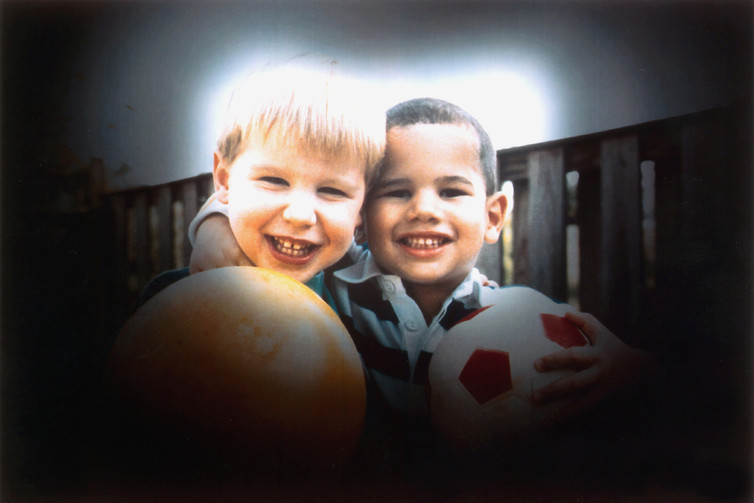
The way someone with glaucoma sees.
Wikimedia Commons

Jason Yosar, The University of Queensland

If you’re one of the millions of Australians who regularly see an optometrist, you’re probably familiar with having your eye pressure checked as part of a comprehensive eye examination. This is a basic screening test for glaucoma, an eye disease that is the second leading cause of blindness worldwide (after cataracts).

It affected more than 57.5 million people in 2015 and this figure is projected to rise to 65.5 million people in 2020. Glaucoma affects some 150,000 people in Australia. Worryingly, 50% of cases remain undiagnosed and untreated and a significant number of people don’t even know what glaucoma is.

So, what exactly is glaucoma?

Glaucoma encompasses a group of eye diseases that involves progressive damage to the optic nerve, which transmits electrical signals from the eye to the brain. If left untreated, irreversible, progressive vision loss occurs and may result in blindness. There is no cure for glaucoma and treatment aims to limit progression of the disease.

Glaucoma is most frequently associated with increased pressure in the eyeball (called intraocular pressure, or IOP). Eye pressure, like blood pressure, is measured in millimetres of mercury (mmHg) and reflects the pressure exerted by the aqueous humour, a watery substance produced within the eye. Because raised eye pressure increases the risk of glaucoma, it is commonly checked during eye examinations.

There are many different types of glaucoma. The two most common types are open-angle glaucoma and angle-closure glaucoma, which derive their names from the angle formed between the iris (the coloured part of the eye) and the cornea (the clear window on the front of the eye), through which the eye’s aqueous humour drains and exits the eye.

Diagram showing the drainage of fluid between the iris and cornea.
Wikimedia Commons

Open-angle glaucoma

Open-angle glaucoma is the most common type of glaucoma. Damage to the optic nerve occurs slowly and usually in the presence of raised eye pressure, which may be due to excess production or inadequate drainage of aqueous humour, or both. In most cases, it is not known why these occur (primary open-angle glaucoma), but in a minority of cases, it follows inflammatory diseases of the eye, trauma or use of steroid medications (secondary open-angle glaucoma). In open angle glaucoma, the drainage site is open but draining inadequately.

Described as the “sneak thief of sight”, vision loss occurs slowly and painlessly and may not be noticed for years or even decades, delaying diagnosis. Peripheral vision is lost first and central vision later, and is irreversible.

By the time any vision loss is noticed by the patient, a significant amount of permanent nerve damage will have already occurred. Both eyes are usually affected, but each eye may progress at different rates. Risk factors include increasing age, family history (glaucoma affecting a parent or a sibling), African ethnicity, high blood pressure, diabetes and shortsightedness.

Raised eye pressure is insufficient to diagnose open-angle glaucoma, as many affected patients have “normal” measurements anyway, and not all patients with high numbers will develop glaucoma. Diagnosis therefore depends on an ophthalmologist actually looking at your optic nerve or demonstrated visual field loss on vision tests.

There are currently no established guidelines on screening for open-angle glaucoma. The NHMRC recommends regular eye checks for Caucasians over the age of 50 and for people of African descent over the age of 40. Screening eye checks should begin earlier in the presence of risk factors, such as a first-degree family member affected by glaucoma. They should be performed by an optometrist or ophthalmologist.

Treatment of open-angle glaucoma is focused on lowering the pressure in the eye. While effective treatment can slow progression of the nerve damage and vision loss, it cannot reverse damage that has already occurred. A combination of eye drops is used to decrease the production of aqueous humour in the eye or increase its drainage, and treatment is continued lifelong.

While they are generally well-tolerated, some types of eye drops can cause side-effects such as redness and irritation of the eyes, increase in number of eyelashes, darkening of the iris and eyelash colour and worsening of asthma and heart failure. If eye drops fail to adequately reduce pressure, laser therapy and surgery can be performed to increase drainage of aqueous humour in the eye.

Angle-closure glaucoma

Angle-closure glaucoma is less common than open-angle glaucoma. It involves a closure of the drainage angle between the iris and cornea, thereby impairing the outflow of aqueous humour and causing an increase in pressure. This increase in pressure damages the optic nerve in a similar way to open-angle glaucoma.

The degree of angle closure may be mild and cause damage over years and decades without causing any symptoms (chronic angle-closure glaucoma). However, a sudden closure of the entire angle (acute angle-closure glaucoma) is a medical emergency that can lead to permanent vision loss and blindness over hours or days.

Patients affected by an acute closed angle experience a sudden onset of decreased vision in the affected eye, headache, nausea, vomiting and the perception of haloes appearing around lights. The eye is red and very painful and the cornea appears hazy.

Angle-closure glaucoma is likelier to occur in Asian patients, and 75% of cases worldwide occur in Asian countries. Affected patients have eyes that are anatomically predisposed to angle closure. Other risk factors include a family history of angle closure, older age, and farsightedness.

If symptoms of acute angle-closure glaucoma occur, presentation to the nearest hospital emergency department is warranted as vision can rapidly and irreversibly be lost if untreated. A combination of medications (eye drops, tablets and intravenous medications) are used to rapidly lower the pressure in the eye. When the pressure is controlled, a procedure called a peripheral iridotomy is performed, in which a laser is used to burn a tiny hole in the iris to allow the aqueous humour to flow through to the drainage angle.

Regular eye checks are crucial

Because there is no cure for glaucoma, and there are no symptoms in most forms of the disease, screening is crucial to ensure cases are detected and treated early. Regular eye checks by an optometrist or ophthalmologist are important and should occur earlier with a known family history of glaucoma.


The ConversationDr Cameron McLintock, ophthalmology registrar at Queensland Health, contributed to this article.

Jason Yosar, Associate Lecturer, School of Medicine, The University of Queensland

This article was originally published on The Conversation. Read the original article.

Parkour is now officially a sport – here’s to jumping for joy

nightfall404/Flickr, CC BY-NC

Oli Mould, Royal Holloway

Running, leaping and climbing through the city isn’t just a test of strength and stamina – it’s also now an official sport. Parkour – a form of urban acrobatics, originating in France – is now officially recognised by sports councils across Britain. On a practical level, this means that it can be on national educational curricula, apply for lottery funding and access the benefits enjoyed by other major sports.

This is a big step forward for the development of parkour, which already has about 35,000 practitioners – or “traceurs” – in the UK alone. There’s no typical traceur; participants can range from very young children to those with Parkinson’s disease, and there are new people starting up all the time.

As well as having obvious physical health benefits, parkour also continues to show signs in research of contributing to positive mental health. It’s often practised in groups, which fosters social bonds between people, as encouraging each other to engage with the city in a constructive way, and offering an exciting alternative to the lure of more nefarious and destructive group activities.

Dangerous game?

Not everyone sees it this way: some still regard the sport as dangerous, anti-social and in some cases, even criminal. Yet evidence suggests that these fears might be misplaced. After all, every sport carries risks: in 2013, 15 people died while hill-walking, and in 2014, 113 people were killed while cycling. Any death is tragic, and all possible measures should be taken to make sure that activities are safe – but there’s no reason to think that parkour is much riskier than any other sport.

At the very core of parkour is its intense, visceral and creative connection with the environment; the feel of flesh on the city. Those who partake in the sport do so not from a desire to commit a crime, but to escape the daily routine and experience the city in different ways. Faced with an urban environment that is rapidly sacrificing public space to private capital, it’s inevitable that some traceurs will trespass.

This doesn’t make parkour anti-social, though. Quite the opposite, in fact: it reaffirms the connection people can have with the city – one that is being lost in the competitive throng of contemporary urban life. The practice of parkour is still relatively free from the pressures of commodification and competition. It encourages people to work together, learn from each other and fleetingly reclaim city as a common civic space.

Getting connected

Parkour also forms the basis of a growing global online community. This activity is predominantly practised by tech-savvy young people, who leverage the power of social media to improve their skills, learn new moves and showcase their talents to the rest of the world. Parkour’s popularity has a lot to do with the way it allows people to meld their online and offline worlds together.

Innovation and creativity are two of parkour’s major strengths as a sport, and many online videos, Hollywood films and computer games incorporate the spectacular physicality of parkour into their stories and imagery. As such, parkour is at the leading edge of sporting activity, blending as it does physical prowess, digital literacy and visual creativity.

For all these reasons, parkour’s recognition by UK sports councils marks an important and welcome moment. By bringing parkour into the cannon of national sports, it may force urban planners and local councils to redress some of the actions taken against the sport: for instance, Horsham council are intent on banning parkour from the town centre, while “no parkour” signs are increasingly common across the country. Official recognition sends out a signal that such regressive policies should be countered.

The ConversationParkour improves physical and mental health. It offers a way for citizens to resist the increasing privatisation taking place in cities around the world. It promotes creativity, connectivity and civic activity, all while showcasing what incredible things the human body is capable of. In many ways, parkour offers us a glimpse of the future of sport – and it’s looking bright.

Oli Mould, Lecturer in Human Geography, Royal Holloway

This article was originally published on The Conversation. Read the original article.

What to eat and avoid during pregnancy

Many women find it difficult to strike the right balance between nutrition and safety.
Sean McGrath/Flickr, CC BY

Clare Collins, University of Newcastle and Michelle Blumfield, University of Newcastle

As soon as women announce “I’m having a baby!”, the congratulations are quickly followed by long lists of dos and don’ts about food. Try ginger for morning sickness. Avoid soft cheese because of listeria. Eat more meat to boost your iron. Eat this fish – but not that one, because of mercury.

Pregnant women are understandably confused. So, how do you strike the balance between nutrition and safety, when so many things are off the menu?

During pregnancy, women need to consume a variety of different foods and need more of the main pregnancy nutrients: protein, folate, calcium, iron, zinc, iodine, and fibre. Here’s a quick guide to the best sources.

Protein: lean meat, chicken, seafood, dairy products, legumes, nuts, eggs

Folate: fortified bread and breakfast cereal, green leafy vegetables, legumes, seeds, chicken, eggs, oranges

Calcium: dairy foods, fortified soy milks, green leafy vegetables, nuts, seeds, canned fish with bones

Iron: red meat, fortified cereals, egg yolks, green leafy vegetables, legumes, nuts

Zinc: meat, eggs, seafood, nuts, tofu, miso, legumes, wheat germ, wholegrain foods

Iodine: canned salmon and tuna, other fish, oysters, bread fortified with iodine

Fibre: wholemeal and wholegrain breads and high fibre cereals, oats, vegetables and fruit with the skin on.

National dietary guidelines recommend pregnant women consume five serves of vegetables and legumes per day.
Ginny/Flickr, CC BY-SA

We have recently shown that a moderate intake of protein (18-20% of a total energy intake) allows pregnant women to eat the best range of foods across all the healthy core groups in the Australian Guide to Healthy Eating, while optimising vitamin and mineral intakes.

Interestingly, the protein to carbohydrate ratio was related to the amount of muscle and fat tissue in the developing baby. While more research is needed, it may contribute to the risk of developing diabetes in the future.

How much?

The Australian dietary guidelines advise pregnant women to consume the following number of servings from the five core food groups each day.

Vegetables and legumes/beans: five servings. One serve = 75g or 100-350kJ, for example, half a cup cooked green or orange vegetables, one cup of raw salad vegetables, half a medium potato, one tomato.

Fruit: two servings. One serve = 150g or 350kJ, for example, one medium piece (apple, banana, orange), two small pieces (apricots, kiwi fruit), one cup diced or canned fruit.

Grain (cereal) foods, mostly wholegrain or high-fibre varieties: eight-and-a-half servings. One serve = 500kJ, for example, one slice of bread, half a cup of cooked rice, pasta or porridge, one-quarter of a cup muesli, three crispbreads.

Lean meats and poultry, fish, eggs, tofu, nuts and seeds, legumes and beans: three-and-a-half servings. One serve = 500-600kJ, for example, 65g cooked lean meat, 80g cooked lean poultry, 100g cooked fish, two eggs, 170g tofu, 30g nuts, one cup of cooked beans.

Milk, yoghurt, cheese or alternatives, mostly reduced fat: two-and-a-half servings. One serve = 500-600kJ, for example, 250ml milk, 200g yoghurt, two slices (40g) of cheese.

Morning (noon and night) sickness

Nausea and vomiting affects about three in four pregnancies. While the data on fetal risks associated with drug treatment are controversial, non-drug approaches are a good place to start.

Eating small snacks rather than big meals can help alleviate morning sickness.
Michael Pettigrew/Shutterstock

Limit exposure to food odours by having foods that do not smell as much during cooking or by reducing cooking time, with stir-frys or a BBQ cooked outdoors.

Nausea can be worse in the presence of hunger, so avoid an empty stomach by having small, frequent meals and snacks comprised of foods that you can tolerate and don’t have much smell, such as fruit or nuts, or raisin bread or sandwiches, or yoghurt. Very cold drinks can help with the nausea and prevent dehydration.

You could try ginger as a ginger tablet, cold ginger beer or ginger cordial. While only some evidence supports the use of ginger and/or vitamin B6 supplements to relieve nausea of pregnancy, they’re unlikely to cause harm.

Mercury and fish

Fish and seafood are important sources of protein and minerals. They are low in saturated fat and are a major source of omega-3 fatty acids.

During pregnancy, omega-3s play an important role in the baby’s developing central nervous system, the brain and retina in eyes. Research shows that maternal omega-3 fatty acid consumption during pregnancy reduces the risk of preterm birth, and increases the length of gestation and therefore birth weight.*

Deficiency of omega-3s is associated with irreversible visual and behaviours deficits in children, as well as an increased risk of depression, pre-eclampsia and pregnancy hypertension in the mother.

Pregnant women eat less fish than is recommended.
Shaiith/Shutterstock

Population surveys in the United Kingdom and United States show that pregnant women don’t eat enough fish and therefore omega-3s, partly due to fears about adverse effects of mercury and other toxins (such as polychlorinated biphenyls).

We have shown that pregnant women in Australia also eat less fish than is recommended. But when we estimated what their weekly exposure to mercury would be from eating two to three serves a week, it was well below the targets. Pregnant women in Australia can safely eat fish.

Listeria risk

Due to changes in the immune system during pregnancy, women are more susceptible to food poisoning. But by avoiding all foods that carry a risk for harbouring listeria, women are consuming fewer nutrients.

You don’t have to go without. For every item on the “no” list, there are a number of alternatives:

Avoid pre-packaged cold meats. This includes deli meats and sandwich bars. Instead, choose freshly cooked seafood one to two times per week and/or canned fish up to four times a week. Choose home-cooked meat instead and make it into homemade sandwiches.

Avoid ready-to-eat pre-cooked chicken pieces, especially if cold. Instead, choose home-cooked chicken or hot take-away whole chicken or large pieces – but eat it immediately.

Avoid raw and chilled seafood including oysters, sashimi or sushi, smoked salmon, ready-to-eat peeled prawns, prawn cocktails, sandwich fillings, and prawn salads. Don’t eat shark (flake) or billfish (swordfish, broadbill and marlin). Limit orange roughy (deep sea perch) or catfish to once per week. Instead choose other fish species, including canned salmon and tuna two to three times a week.

Avoid salads (fruit and vegetables) that are pre-prepared or pre-packaged or from salad bars or smorgasbords. Instead, choose freshly prepared homemade salads (with leafy greens or other salad vegetables), fresh fruit, or canned or frozen fruits and vegetables.

Avoid soft, semi-soft and surface-ripened cheeses such as brie, Camembert, ricotta, feta and blue cheese. Instead, choose hard cheeses such as Cheddar or tasty, processed cheese, cheese spreads, or plain cottage cheese if packaged by the manufacturer.

Opt for hard cheeses to reduce the risk of listeria food poisoning.
Markus Mainka/Shutterstock

Avoid soft serve ice cream and unpasteurised dairy products such as raw goat’s milk. Instead choose packaged frozen ice cream and pasteurised dairy products such as milk, yoghurt, custard and dairy desserts.

Listeria can live in lower temperatures, so take extra care with foods served cold, and avoid buffets and smorgasbords altogether. Cooking, however, kills listeria but the food needs to be heated until steam rises. And remember to always wash your hands before handling food or starting to prepare foods.

Constipation

Up to 40% of pregnant women develop constipation. This is caused by rising levels of progesterone and oestrogen, and the relaxation of muscles of the bowel. Low fluid and fibre intakes can also play a role.

Mild constipation can be self-treated by increasing high-fibre foods, including soluble (oats, lentils, dried peas and beans, psyllium) and insoluble (wholemeal and wholegrain breads and cereals, wheat bran, vegetables and fruit) fibres. To counter constipation in pregnancy aim for 25 to 28 grams of fibre per day, drink plenty of water (1.5 to two litres per day) and exercise regularly.

Some oral iron supplements can cause constipation. If medication is required, only use what your doctor prescribes as not all laxatives are safe during pregnancy.

Multivitamins

Women planning or in early pregnancy are likely to need a folic acid supplement to reduce the risk of the baby having a neural-tube defect, and iodine for the developing brain and nervous system.

Multivitamin supplements may be recommended when there is a fairly high chance of not meeting nutrient needs from food. This is more likely for pregnant adolescents, vegetarians, those on pre-existing special diets, individuals with drug, tobacco and alcohol addictions, or obese pregnant women on medically restricted diets to limit weight gain.

Pregnancy is an important time to focus on what you eat. The food-based recommendations in the Australian Dietary Guidelines will help you enjoy a variety of foods while getting the best mix of nutrients important at this time.

The Conversation* This article originally said omega-3 fatty acid consumption during pregnancy was associated with increased birth weight and improve brain development in the child. This has been updated to better reflect the evidence.

Clare Collins, Professor in Nutrition and Dietetics, University of Newcastle and Michelle Blumfield, Postdoctoral researcher, Priority Research Centre in Physical Activity and Nutrition, University of Newcastle

This article was originally published on The Conversation. Read the original article.

Health Check: what’s the right way to blow your nose?

One nostril or two? Hard blow or gentle? Some ways are more effective and less risky than others.
from www.shutterstock.com

David King, The University of Queensland

If you have a blocked or runny nose, chances are you’ll reach for a tissue or hanky to clear the mucus by having a good blow.

But is there a right way to blow your nose? Could some ways make your cold worse? And could you actually do some damage?

The three most common reasons for extra mucus or snot are the common cold, sinusitis (infection or inflammation of the sinuses, the air-filled spaces inside the face bones) and hay fever. Each of these conditions cause the lining in the nose to swell up, and to produce extra mucus to flush away infection, irritants or allergens.

Both the swelling and extra mucus lead to nasal congestion. This is when the narrowed passages increase the effort of breathing through the nose. Clearing the mucus by blowing the nose should reduce this congestion somewhat.

At the beginning of colds and for most of the time with hay fever, there’s lots of runny mucus. Blowing the nose regularly prevents mucus building up and running down from the nostrils towards the upper lip, the all-too-familiar runny nose.

Later in colds and with sinusitis, nasal mucus can become thick, sticky and harder to clear.


Further reading: Health Check: what you need to know about mucus and phlegm


Think of “snotty nosed kids”, in particular infants or toddlers who haven’t yet learnt to coordinate the mechanics of blowing their noses. They tend to repeatedly sniff thick mucus back into their nose or allow it to dribble down their upper lip.

Keeping this mucus (rather than blowing it out) is thought to contribute to a cycle of irritation that causes the snotty nose to persist for weeks or longer.

This may be due to the retained mucus acting as a good “home” for bacteria to grow in, as well as fatigue of the “hairs” (cilia) that cleanse the nose by moving along mucus and carrying with it irritants, inhaled debris and bacteria.

Thick retained mucus is also more likely to be transported to the throat rather than gravity working it from the nostrils, leading to throat irritation and possibly a cough. This is the mechanism behind the most common cause of prolonged cough after a viral infection or hay fever, known as the post-nasal drip cough.

So it makes sense to encourage people to blow their nose to remove unwanted mucus.

Rare risks if you blow too hard and too often

Although extremely rare, there are a few examples in the medical literature of people blowing so hard they generated pressures high enough to cause serious damage. In most of these cases people had underlying chronic sinusitis or an existing weakness in the structure they damaged after blowing too hard.

These injuries included fractures of the base of the eye socket; air forced into the tissue between the two lobes of the lung; severe headache from air forced inside the skull; and rupture of the oesophagus, the tube that sends food to the stomach.

One study looked at the pressures generated when people with and without a range of nasal complaints blew their noses.

People with chronic sinusitis generated pressures significantly higher than people without a nasal complaint, up to 9,130 Pascals of pressure. They also found blowing by blocking both nostrils generated much higher pressures than blowing with one nostril open.

One study showed how blowing your nose hard could send mucus from the nose into the sinuses, potentially infecting them too.
www.shutterstock.com

Another study comparing pressures from nose blowing, sneezing and coughing found pressures generated during blowing were about ten times higher than during the other two activities.

More worrying was their second finding – viscous fluid from the nose had found its way into the sinus cavities after vigorous nose blowing. The researchers said this could be a mechanism for sinus infection complicating some colds, with the introduction of nasal bacteria to the sinuses. But they did not produce evidence for this.

On balance it seems repeated and vigorous blowing of the nose may carry more risk than benefit, even though it seems to be a natural response to nasal congestion.

Can I take anything to stop the snot?

So looking to remove the need to blow so forcefully is probably a better option.

Decongestants and antihistamines, which you can buy without prescription from pharmacies, reduce both nasal congestion and the volume of mucus.

Decongestants contain ingredients like oxymetazoline and phenylephrine and come in tablets or sprays, and are often included in cold and flu tablets. They work by constricting (narrowing) dilated blood vessels in the inflamed lining of the nose, and decreasing the volume of mucus produced.

While decongestant sprays are effective, they are probably underused due to concerns about nasal congestion when you stop taking them after long-term use (rhinitis medicamentosa). But further studies have questioned this increased risk.

Antihistamines treat nasal congestion associated with hay fever, but may be less effective for treating cold symptoms.

Saline nasal sprays and washes can help.
from www.shutterstock.com

Saline nose sprays have some evidence they work for acute and chronic rhinosinusitis (inflammation of the nasal lining and sinuses), and can reduce the need for medications. They are believed to clear mucus through increasing the effectiveness of the cilia as well as diluting thick and sticky mucus.

A related technique, known as nasal aspiration, is when you squirt liquid saline up the nose with a special medical device to flush out mucus and debris from the nose and sinuses. One study found it lowered the risk of developing acute otitis media (inflammation of the middle ear) and rhinosinusitis.

What’s the verdict?

If you have mucus in the nose, it is probably best to get it out, so blow gently or by clearing one nostril at a time. Use of appropriate treatments can lessen the need to blow, and the force required to clear your nose.

If you are repeatedly blowing your nose you probably have a nasal condition, like hay fever or sinusitis, which should be treated more comprehensively.

The ConversationAnd if you see a snotty-nosed kid, please wipe away the mucus discharge for the benefit of all.

David King, Senior Lecturer, The University of Queensland

This article was originally published on The Conversation. Read the original article.

Pelvic floor training in pregnancy could help prevent the need for ‘barbaric’ vaginal mesh surgery

Exercises can help women’s pelvic floor health during pregnancy and after birth.
COLLATERAL/www.shutterstock.com

Victoria Salmon, University of Exeter and Rachel Jarvie, University of Exeter

For millions of women, childbirth is a somewhat daunting yet thoroughly rewarding process. In the western world, many years of medical research and professional experience mean that women have access to expert care before, during and after birth. However, there is still one matter that is not being addressed enough during pregnancy: pelvic floor health. Women often do not realise, and are not properly informed, that something can be done to reduce the risks of pelvic floor problems in pregnancy and after childbirth.

The pelvic floor muscles lie across the base of the pelvis, supporting and holding the bladder, uterus and bowel in position. They also help to control the bladder and bowel. Pregnancy and childbirth can cause problems such as weakness, overstretching and tears in the pelvic floor muscle, due to increased pressure.

Weakening or damage may result in inability to control bladder or bowel movements, resulting in incontinence. Muscle weakness can also contribute to pelvic organ prolapse, which is the bulging of one or more of the pelvic organs, such as the uterus, bowel and bladder, into the vagina.

Weakening or damage to the pelvic floor can lead to incontinence or prolapse.
Alila Medical Media/www.shutterstock.com

Urinary incontinence is a common problem, affecting over 5m women in the UK alone. Between 30-50% of women will experience some leaking of urine during or after pregnancy. And, according to one study, up to three out of four women still experience symptoms 12 years after giving birth.

Incontinence can make women feel shame and embarrassment, which stops them from seeking help. It is normalised in UK society, with many women believing that incontinence is an unavoidable consequence of having children, further stopping them from accessing treatment. They are exposed to media images of female incontinence as normal and inevitable: young women are portrayed as accepting the condition in adverts for absorbent products, accompanied by tag lines such as “Oops moments happen. C’est la vie.”

Prevention rather than treatment

When women do seek help for pelvic floor problems they are offered treatment according to the severity of their symptoms. Pelvic floor muscle training (PFMT) is a first line treatment. PFMT involves pulling up the pelvic floor muscles by pretending to hold in wee or stopping passing wind. The muscles can be strengthened by regularly doing a series of long and short holds. For example, squeezing these muscles slowly ten times in a row, then doing ten fast squeezes and repeating this three times per day.

In more severe cases, surgery may be offered, which can include insertion of mesh through the vagina, to provide extra support when repairing weakened or damaged tissue.

However, vaginal mesh surgery has more problems than benefits. It has been called “barbaric” and recently led to more than 800 women suing the NHS over complications with it such as permanent pain, and an inability to walk, work or have sex.

So why aren’t we focusing more on women’s pelvic floor health in pregnancy, to try to avoid these conditions developing?

Evidence shows that PFMT can help prevent and treat incontinence in pregnant women or women who have recently given birth. In fact, research has found that women having their first baby who performed PFMT were about 30% less likely to experience incontinence up to six months after delivery. There is also increasing evidence that PFMT may prevent symptoms of pelvic organ prolapse and could reduce the uptake of further treatment.

UK guidelines for antenatal care recommend midwives offer information about pelvic floor exercises at a pregnant woman’s first appointment. However, for PFMT to be effective it needs to be delivered through a structured, supervised training programme. Simply giving out information on its own is rarely enough to support people to carry on exercising long term.

Women have reported that the information they received about PFMT in pregnancy was insufficient, and they weren’t told about the importance of pelvic floor health. They did not understand why they had to do the exercises or how to do them correctly. The information was not clearly linked to the role of the muscles in reducing the risk of incontinence or pelvic organ prolapse so many women did not think PFMT was worth doing.

Evidently, more could and should be done to improve the quality and delivery of PFMT information during the antenatal period. Incontinence and prolapse do not need to be taboo, but nor should they be normalised as part of the consequences of childbirth and pregnancy.

The ConversationPFMT during pregnancy presents an opportunity to prevent long-term, debilitating pelvic health problems and may reduce the need for further medical or surgical intervention. But for this to happen, women need to understand the benefits, know how to do it and feel that PFMT is realistic and doable in their daily lives.
Victoria Salmon, Research Fellow in Women’s Health, University of Exeter and Rachel Jarvie, Research Fellow in Women’s Health, University of Exeter

This article was originally published on The Conversation. Read the original article.

How the media can help protect people with albinism. A Tanzanian case study

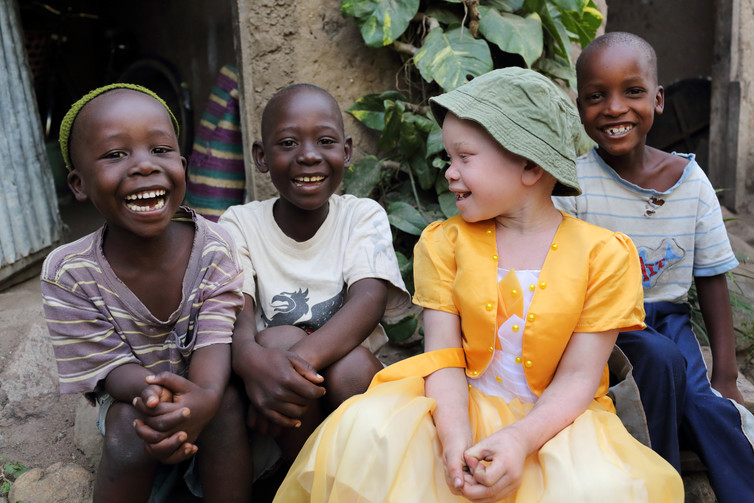
Albinism is an inherited condition that affects the pigment of the eyes, hair and skin.
Shutterstock

Jean Burke, Australian Catholic University

Albinism is a rare genetic condition which affects the pigment in the eyes, hair and skin. In the US about 1 person in 17,000 has albinism. In Africa the prevalence is estimated to range between 1 in 1100 to 1 in 15,000. But in Tanzania the rate is much higher – about 1 in every 1,400.

The most common and most severe type in sub-Saharan Africa is ocular albinism which gives people white hair, pink skin, low vision or blindness and a greater susceptibility to skin cancer.

People with albinism in Africa face a range of prejudices and social stigmas. They are often dismissed as belonging to another race, or as ghosts or spirits. My research confirms this.

The research looked at the role of the media in protecting the human rights of people with albinism. The media has the power to perpetuate misconceptions on albinism. It can also break down these prejudices, and to play a positive role in protecting people with albinism against abuse.

Murders

In East Africa, adults and children with albinism face discrimination and human rights violations driven by beliefs rooted in witchcraft that albino body parts bring wealth and fortune.

Many are murdered for body parts, including infants and babies.

Most of the attacks have taken place in Tanzania. Murders and attempted attacks, though in smaller numbers, have also been documented in Burundi, Kenya, Swaziland, Guinea, Nigeria, South Africa, Congo, Zambia, Namibia, Ivory Coast and Burkina Faso.

My research looked at media reports published between 2008 and 2011 on albinism and albino murders in Tanzania. I published a dataset of 563 media reports in both English and Swahili from Tanzanian national newspapers.

The data showed that the Tanzanian press portrayed and explained violent attacks against persons with albinism in four ways. That they were:

  • criminal activity,
  • cultural practices,
  • a socio economic phenomenon,
  • a human rights issue.

Discussing the attacks as cultural practices and economic activities contributes to the spread of myths and stereotypes and shows how to make money out of violence, which makes life harder and more dangerous for people with albinism.

Media reporting on these attacks as crimes that can lead to a death sentence is important in reducing the violence. The key message should be that people with albinism are humans who have rights so the whole community should treat them well and protect them from harm.

The majority of the articles recognised people with albinism as rightful members of society, using phrases such as “our fellow human beings” and “our fellow countrymen and women, our own kith and kin”. They also reported strong support from political leaders for people with albinism.

The articles urged protection for people with albinism and advocated fighting discrimination against them by using the law to identify and prosecute their attackers. They also advocated political activism to end the discrimination.

Many of the articles attacked the myths surrounding albinism, emphasising that witchcraft cannot deliver wealth.

But not all the media coverage was helpful. Some articles contributed to the spread of the myths and rumours about albinism by irresponsibly reporting on the monetary value of various body parts.

In some cases, the language used by the media failed to fully highlight the challenges affecting people with albinism. For example, the Swahili term for persons with albinism, watu wenye ulemavu wa ngozi (people with skin-disability) was regularly used. This description fails to recognise the fact that people with albinism also need proper eye care.

What can be done?

There is an urgent need to address the violence faced by this vulnerable group. Public health awareness is an important first step. And adequate health services for skin and vision disabilities should be prioritised.

Putting out messages that counter the stigma against people living with albinism is also important, as is access to education.

The ConversationBut interventions must take into account their human rights. For example, putting children with albinism in camps may protect their right to life and security, but it restricts their rights to freedom of movement, and family life.

Jean Burke, Senior Lecturer in Social Work, Australian Catholic University

This article was originally published on The Conversation. Read the original article.