The trade in body parts of people with albinism is driven by myth and international inaction

Witchcraft related beliefs pose serious human rights violations for people with Albinism.

Charlotte Baker, Lancaster University

In the last decade, close to 200 killings and more than 500 attacks on people with albinism have been reported in 27 sub-Saharan African countries.

Tanzania has the highest number of recorded attacks globally at more than 170. There have also been reports of attacks in the Democratic Republic of Congo, Malawi, Mozambique and Burundi.

Most of these attacks are fuelled by rising demand for the body parts of people with albinism used in rituals by traditional healers, known as muti killing or black magic, juju.

The hair and bones, genitals and thumbs of people with albinism are said to possess distinct powers. Alleged to bring wealth or success, they are often dried and ground, put into a package to be carried, to be secreted in boats, businesses, homes or clothing, or scattered in the sea.

This illegal trade for body parts operates at regional, national and international levels.

In Tanzania the government is working with non governmental organisations and civil society which has resulted in more thorough investigations, new laws, and some convictions.

But countries such as Mozambique and Malawi need to act more diligently to discourage the illegal trade. While President Peter Mutharika of Malawi has condemned the attacks on people with albinism, the general response beyond these words has been slow.

Deep-rooted cultural myths

Arrests and prosecution are complex because the illegal cross border trade is highly secretive and controlled by wealthy and influential buyers.

The champions against this illegal trade face a number of challenges, including complex and deep-rooted cultural myths. For example, in northern South Africa, a mother was told the cause of her child’s albinism was a previous encounter with a child with albinism.

The mother attended a party while pregnant and saw a mother with a baby precariously strapped to her back in a blanket. Fearing the baby was about to fall she went forward to help tighten the blanket. She then saw to her fright that the baby had albinism. She believed that, as a direct result of this encounter, she had given birth to a child affected with the same condition.

The illegal traders who “harvest” the body parts usually come from poor families and they lure strangers or their own family members for the promise of about USD$75,000 for a whole set of body parts. Even the graves of people with albinism have to be sealed with concrete to stop grave robbers.

Activists have reported an increase in fear among people with albinism because it is believed that demand for body parts increases closer to general elections.. The wealthy and educated elite running for office consult traditional healers for good luck potions.

Global action

Despite the seriousness of these human rights abuses, governments across East and Southern Africa have been criticised for insufficient action to prevent and to prosecute.

The trade in the body parts of people with albinism will be one of the key issues in focus at an upcoming United Nations expert meeting on witchcraft and human rights at its headquarters in Geneva.

The meeting will challenge the various actors including governments, academics and civil society to increase awareness and understanding to discourage the illegal trade.

The director of the Witchcraft and Human Rights Information Network, Gary Foxcroft, has made a global call:

This is the first time the UN has properly recognised the scale of the problem and the need to bring together experts from across the world to identify all the challenges and solutions. Our goal is a UN Special Resolution for the UN Human Rights Council to recognise the scale of the problem, provide a clearly articulated outline of the problem and recommendations. We want people to feel inspired and to go back to their countries and know that they are not alone. This is a major step forward.

The UN Independent Expert on the enjoyment of human rights by persons with albinism, Ikponwosa Ero, has called for more effective oversight over the practice of traditional healers, pointing to the secrecy that often surrounds witchcraft rituals.

The ConversationThe trafficking of body parts from people with albinism must urgently be addressed, clear national policies are needed, and communities must be effectively educated about albinism to demystify this genetic condition.

Charlotte Baker, Senior Lecturer in French and Francophone Studies, Lancaster University

This article was originally published on The Conversation. Read the original article.

Children and sleep: How much do they really need?

Research shows that night waking in infancy is associated with behavioural control challenges at three and four years of age.
(Shutterstock)

Wendy Hall, University of British Columbia

How much sleep, and what type of sleep, do our children need to thrive?

In parenting, there aren’t often straightforward answers, and sleep tends to be contentious. There are questions about whether we are overstating children’s sleep problems. Yet we all know from experience how much better we feel, and how much more ready we are to take on the day, when we have had an adequate amount of good quality sleep.

I was one of a panel of experts at the American Academy of Sleep Medicine to review over 800 academic papers examining relationships between children’s sleep duration and outcomes. Our findings suggested optimal sleep durations to promote children’s health. These are the optimal hours (including naps) that children should sleep in every 24-hour cycle.

And yet these types of sleep recommendations are still controversial. Many of us have friends or acquaintances who say that they can function perfectly on four hours of sleep, when it is recommended that adults get seven to nine hours per night.

Optimal sleep hours: The science

We look for science to support our recommendations. Yet we cannot deprive young children of sleep for prolonged periods to see whether they have more problems than those sleeping the recommended amounts.

Some experiments have been conducted with teenagers when they have agreed to short periods of sleep deprivation followed by regular sleep durations. In one example, teenagers who got inadequate sleep time had worse moods and more difficulty controlling negative emotions.

Those findings are important because children and adolescents need to learn how to regulate their attention and manage their negative emotions and behaviour. Being able to self-regulate can enhance school adjustment and achievement.

With younger children, our studies have had to rely on examining relationships between their sleep duration and quality of their sleep and negative health outcomes. For example, when researchers have followed the same children over time, behavioural sleep problems in infancy have been associated with greater difficulty regulating emotions at two to three years of age.

Persistent sleep problems also predicted increased difficulty for the same children, followed at two to three years of age, to control their negative emotions from birth to six or seven years and for eight- to nine-year-old children to focus their attention.

Optimal sleep quality: The science

Not only has the duration of children’s sleep been demonstrated to be important but also the quality of their sleep. Poor sleep quality involves problems with starting and maintaining sleep. It also involves low satisfaction with sleep and feelings of being rested. It has been linked to poorer school performance.

Evidence has consistently pointed to the importance of parents’ behaviours in setting consistent sleep schedules.
(Shutterstock)

Kindergarten children with poor sleep quality (those who take a long time to fall asleep and who wake in the night) demonstrated more aggressive behaviour and were represented more negatively by their parents.

Infants’ night waking was associated with more difficulties regulating attention and difficulty with behavioural control at three and four years of age.

From diabetes to self-harm

The Consensus Statement of the American Academy of Sleep Medicine suggested that children need enough sleep on a regular basis to promote optimal health.

Growing rates of obesity in children are linked to many lifestyle factors, including diet, physical activity and sleep.
(Shutterstock)

The expert panel linked inadequate sleep duration to children’s attention and learning problems and to increased risk for accidents, injuries, hypertension, obesity, diabetes and depression.

Insufficient sleep in teenagers has also been related to increased risk of self-harm, suicidal thoughts and suicide attempts.

Parent behaviours

Children’s self-regulation skills can be developed through self-soothing to sleep at settling time and back to sleep after any night waking. Evidence has consistently pointed to the importance of parents’ behaviours not only in assisting children to achieve adequate sleep duration but also good sleep quality.

Parents can introduce techniques such as sleep routines and consistent sleep schedules that promote healthy sleep. They can also monitor children to ensure that bedtime is actually lights out without electronic devices in their room.

The ConversationIn summary, there are recommended hours of sleep that are associated with better outcomes for children at all ages and stages of development. High sleep quality is also linked to children’s abilities to control their negative behaviour and focus their attention — both important skills for success at school and in social interactions.

Wendy Hall, Professor, Associate Director Graduate Programs, UBC School of Nursing, University of British Columbia

This article was originally published on The Conversation. Read the original article.

Science or snake oil: is manuka honey really a ‘superfood’ for treating colds, allergies and infections?

Sure it tastes nice, but what else can it do?
from www.shutterstock.com.au

Nural Cokcetin, University of Technology Sydney dan Shona Blair

Manuka honey is often touted as a “superfood” that treats many ailments, including allergies, colds and flus, gingivitis, sore throats, staph infections, and numerous types of wounds.

Manuka can apparently also boost energy, “detox” your system, lower cholesterol, stave off diabetes, improve sleep, increase skin tone, reduce hair loss and even prevent frizz and split ends.

Some of these claims are nonsense, but some have good evidence behind them.

Honey has been used therapeutically throughout history, with records of its cultural, religious and medicinal importance shown in rock paintings, carvings and sacred texts from many diverse ancient cultures.


Read more: Honey could be a potent medicine as well as a tasty treat


Honey was used to treat a wide range of ailments from eye and throat infections to gastroenteritis and respiratory ailments, but it was persistently popular as a treatment for numerous types of wounds and skin infections.

Medicinal honey largely fell from favour with the advent of modern antibiotics in the mid-20th century. Western medicine largely dismissed it as a “worthless but harmless substance”. But the emergence of superbugs (pathogens resistant to some, many or even all of our antibiotics) means alternative approaches to dealing with pathogens are being scientifically investigated.

We now understand the traditional popularity of honey as a wound dressing is almost certainly due to its antimicrobial properties. High sugar content and low pH mean honey inhibits microbial growth, but certain honeys still retain their antimicrobial activity when these are diluted to negligible levels.

Many different types of honey also produce microbe-killing levels of hydrogen peroxide when glucose oxidase (an enzyme incorporated into honey by bees) reacts with glucose and oxygen molecules in water. So, when honey is used as a wound dressing it draws moisture from the tissues, and this reacts to produce hydrogen peroxide, clearing the wound of infection.

The antimicrobial activity of different honeys varies greatly, depending on which flowers the bees visit to collect the nectar they turn into honey. While all honeys possess some level of antimicrobial activity, certain ones are up to 100 times more active than others.

How is manuka different to other honey?

Manuka honey is derived from the nectar of manuka (Leptospermum scoparium) trees, and it has an additional component to its potent antimicrobial activity. This unusual activity was discovered by Professor Peter Molan, in New Zealand in the 1980s, when he realised the action of manuka honey remained even after hydrogen peroxide was removed.

The cause of this activity remained elusive for many years, until two laboratories independently identified methylglyoxal (MGO) as a key active component in manuka honey in 2008. MGO is a substance that occurs naturally in many foods, plants and animal cells and it has antimicrobial activity.

Australia has more than 80 species of native Leptospermum, while New Zealand has one, but the “manuka” honeys from each country have similar properties. There is currently a great deal of debate between the two countries over the rights to use the name “manuka”, but for simplicity in this article we use the term to describe active Leptospermum honeys from either country.


Read more: Manuka honey may help prevent life-threatening urinary infections


Can manuka honey kill superbugs?

The activity of manuka honey has been tested against a diverse range of microbes, particularly those that cause wound infections, and it inhibits problematic bacterial pathogens, including superbugs that are resistant to multiple antibiotics.

Manuka honey can also disperse and kill bacteria living in biofilms (communities of microbes notoriously resistant to antibiotics), including ones of Streptococcus (the cause of strep throat) and Staphylococcus (the cause of Golden staph infections).

Crucially, there are no reported cases of bacteria developing resistance to honey, nor can manuka or other honey resistance be generated in the laboratory.

There is good evidence manuka honey kills bacteria.
Ryan Merce/Flickr, CC BY

It’s important to note that the amount of MGO in different manuka honeys varies, and not all manuka honeys necessarily have high levels of antimicrobial activity.

Manuka honey and wound healing

Honey has ideal wound dressing properties, and there have been numerous studies looking at the efficacy of manuka as a wound dressing. Apart from its broad-spectrum antimicrobial activity, honey is also non-toxic to mammalian cells, helps to maintain a moist wound environment (which is beneficial for healing), has anti-inflammatory activity, reduces healing time and scarring, has a natural debriding action (which draws dead tissues, foreign bodies and dead immune cells from the wound) and also reduces wound odour. These properties account for many of the reports showing the effectiveness of honey as a wound dressing.

Honey, and in particular manuka honey, has successfully been used to treat infected and non-infected wounds, burns, surgical incisions, leg ulcers, pressure sores, traumatic injuries, meningococcal lesions, side effects from radiotherapy and gingivitis.


Read more – Use them and lose them: finding alternatives to antibiotics to preserve their usefulness


What about eating manuka honey?

Most of the manuka honey sold globally is eaten. Manuka may inhibit the bacteria that cause a sore (“strep”) throat or gingivitis, but the main components responsible for the antimicrobial activity won’t survive the digestion process.

Nonetheless, honey consumption can have other therapeutic benefits, including anti-inflammatory, anti-oxidant and prebiotic (promoting the growth of beneficial intestinal microorganisms) properties. Although, these properties are not solely linked to manuka honey and various other honeys may also work.

What doesn’t it do?

There is a commonly touted belief that eating manuka (or local) honey will help with hay fever because it contains small doses of the pollens that are causing the symptoms, and eating this in small quantities will help your immune system learn not to overreact.

But there’s no scientific evidence eating honey helps hay fever sufferers. Most of the pollen that causes hay fever comes from plants that are wind pollinated (so they don’t produce nectar and are not visited by bees).

There is some preliminary work showing honey might protect from some side effects of radiation treatment to the head and neck that warrants further investigation. But other claims honey has anti-cancer activity are yet to be substantiated.

If you’re putting honey in your hair you’re probably just making a sticky mess.
from shutterstock.com

There isn’t any robust scientific evidence that manuka lowers cholesterol, treats diabetes or improves sleep. Although one interesting study did show honey was more effective than cough medicine for reducing night time coughs of children, improving their sleep (and their parents’). Manuka honey wasn’t used specifically, but it may well be as helpful.

Claims that anything helps to “detox” are innately ridiculous. Similarly “superfood” is more about marketing than much else, and the cosmetic and anti-ageing claims about manuka are scientifically unfounded.

Final verdict

If consumers are buying manuka honey for general daily use as a food or tonic, there is no need to buy the more active and therefore more expensive types. But the right kind of honey is very effective as a wound dressing. So if manuka is to be used to treat wounds or skin infections, it should be active, sterile and appropriately packaged as a medicinal product.

The best way to ensure this is to check the product has a CE mark or it’s registered with the Australian Therapeutic Goods Administration (marked with an AUST L/AUST R number).

The ConversationManuka honey isn’t a panacea or a superfood. But it is grossly underutilised as a topical treatment for wounds, ulcers and burns, particularly in the face of the looming global superbug crisis.

Nural Cokcetin, Postdoctoral Researcher, University of Technology Sydney dan Shona Blair, General Manager, ithree institute UTS

Sumber asli artikel ini dari The Conversation. Baca artikel sumber.

Legal weed: What your kids really need to know

Cannabis is the most widely available and most used illegal substance in the world, and Canadian youth are among the top users. Parents and their kids need to prepare for the day it becomes legal in Canada in 2018.
(Shutterstock)

Geraint Osborne, University of Alberta

Weed, pot, grass, marijuana — or cannabis to use the proper terminology — will be legal in Canada from July 1, 2018. Anyone over the age of 18 will be able to walk into a store and buy up to 30 grams of regulated product. While most Canadians approve of this new policy, many also believe the law will fail to stop more children using the drug.

So how should we talk to kids and teenagers about this new legal drug? What can parents do with legalization just months away?

This is a question that I — as a cannabis researcher and father of 17-year-old twin boys — take very seriously, and for good reason. Globally, cannabis is the most available and most used illegal substance and Canadian youth have some of the highest use rates in the world.

The good news is that parents have many tools at their fingertips to protect their children and teens. Here, I offer six steps to help you navigate this tricky terrain.

1. Start family discussions early

The best defence against any kind of drug abuse is knowledge and education. Being properly informed about drugs is central to the harm reduction approach to drugs that is slowly gaining momentum across Canada and other parts of the world.

This approach recognizes that drug abuse is a public health and education problem, not a crime problem. Much of our successes in combating drinking and driving, and reducing cigarette smoking, have come through information and education initiatives.

Education starts at home. And it should begin as early as possible, with age- appropriate language like that used in It’s Just a Plant, a book designed for parents who want to talk to their children about cannabis.

Discussing cannabis with your child should be no different than discussing alcohol and nicotine. A frank conversation about all substances, both legal and illegal, is essential to preventing the abuse of any drug among our youth.

2. Find evidence-based information

Parents do need to educate themselves about drugs, rather than relying on their own personal experiences or media scare stories. There is a great deal of research available on cannabis and other drugs. But this wealth of information can understandably be overwhelming.

Drug Free Kids Canada is a registered charity offering offers resources for parents to talk to their kids and teens about drugs.

Fortunately, there are a number of informative and reliable online sources available to Canadian parents, such as the Canadian Centre on Substance Use and Addiction, Drug Free Kids Canada and the Centre for Addiction and Mental Health.

3. Explain addiction and brain damage

Kids need to know that cannabis is not harmless. And that it has become much more potent over the years. The best decision, like with all legal and illegal substances, is abstinence. Undoubtedly, from a health perspective, if people can get through life without using caffeine, tobacco, alcohol and other drugs, they are better off.

However, because we live in a society saturated with drugs (just check out the beer and pharmaceutical ads on television or the long coffee shop lineups), we need to be pragmatic.

Our children will be exposed to many drugs throughout the course of their lives, including cannabis. They may decide to experiment or use more regularly. So they need to know what the potential harms are, as well as the potential benefits. They also need to know the differences between use and abuse.

A free online learning module from the Canadian Centre on Substance Use explains the effects of cannabis use during adolescence.

While much more research is required, the key health concerns with cannabis are addiction, mental illness, damage to the developing brain, driving while intoxicated and cardiovascular disease.

4. Talk about socializing, creativity and sex

Besides discussing the harms associated with the abuse of cannabis, parents need to have an honest discussion about why people use it — without relying on outdated stereotypes or stigmatizing users. This can be more difficult for parents who don’t use cannabis themselves as they may think that such a discussion will encourage use.

But by explaining why and how people use cannabis, parents can demystify the drug. They can demonstrate that, like alcohol, cannabis can be used responsibly by most people in a variety of social contexts.

This “normalizing” of cannabis reduces its status as a choice for the rebellious. It makes the formerly mysterious and taboo drug rather boring and mundane. This may help explain why cannabis use by youth in Colorado has not increased significantly since the drug was legalized.

So why do people use cannabis recreationally?

For centuries, people all over the globe have used cannabis for many reasons. The research has found that — like alcohol users — most use cannabis as a rational choice to enhance certain activities.

When used properly, it can help with relaxation and concentration, making many activities more enjoyable. Eating, listening to music, socializing, watching movies, playing sports, having sex and being creative are some things some people say cannabis makes more enjoyable.

Sometimes people use cannabis to enhance spiritual experiences or to make mundane tasks like chores more fun. But most importantly, most users recognize that there’s a time and place for use and have integrated it into their lives without forgoing their daily obligations and responsibilities.

5. Teach responsible cannabis use

The responsible use of cannabis is identical to the responsible use of alcohol. The key principles are: understand the effects of the different strains (sativa, indica and hybrids) of cannabis; avoid mixing with other drugs; use in a safe environment; use in moderation; don’t let use interfere with responsibilities; and don’t use in contexts that may endanger the lives of others, such as driving while under the influence.

Many of the health concerns relating to cannabis are associated with heavy chronic use or, in other words, abuse of the drug. As with most things in life, moderation is key. Moderation — in frequency and amount — is important for the responsible use of any substance.

Recent research suggests that many cannabis users, like alcohol users, use responsibly. If parents reinforce the importance of responsible use, their children will be far less likely to suffer the harms associated with cannabis.

6. Just say “know,” not “no!”

History has shown us that the war on drugs has been an abysmal failure. Prohibition hasn’t prevented people — young or old — from using drugs. Prohibition created a black market, gang wars, corruption and dangerous products.

A harm reduction approach to cannabis regulates a safer quality product and focuses on informing people about the potential risks and benefits of cannabis use. Educating our youth about cannabis and responsible use — through talking with them and listening to them — will be far more effective and safer than trying to stop them using it.

The ConversationWhen it comes to kids and weed, it’s better to say “know” than “just say no!”

Geraint Osborne, Associate Professor of Sociology, University of Alberta

This article was originally published on The Conversation. Read the original article.

How Selena Gomez’ Lupus led to kidney transplant?

As Selena Gomez has documented over the last two years, lupus can affect multiple facets of life, sapping energy, inducing arthritis, cardiovascular problems and kidney failure.

On Thursday, the actress/singer/producer, 25, went public with the news that she received a kidney transplant from friend Francia Raisa.

Selena Gomez and Francia Raissa (Photo oceanup.com)

So what is lupus and how cause her to require a kidney transplant?

In a series of photos, Serena Gomez announced that she is recovering after receiving kidney transplant (Photo : Selena Gomez Instagram)

Lupus 101

It’s an autoimmune disease, meaning the body cannot differentiate between its own healthy tissue and foreign invaders.  The antibodies or blood-borne proteins responsible for deciding biological friend from foe cause inflammation in various parts of the body. These problems tend to flare up and then abate over time.

It’s especially common with women, who comprise nine out of 10 lupus patients, according to the National Institutes of Health.  (But men don’t get off so easy — the ones who do get lupus tend to have more severe cases.)

“It’s a very rough disease,” says Naveed N. Masani, a nephrologist and the medical director of the outpatient dialysis unit of New York University’s Winthrop Hospital. “You feel for these patients and what they go through.  It’s not just the kidneys, but joint pain, rashes, fatigue. They feel lousy.”

Lupus can also affect a patient’s bone density, heart, liver, pancreas, and brain.


Lupus loves kidneys

“Lupus is the ultimate autoimmune disease,” Masani says, adding that “60-90% of patients with the disease have kidney involvement.”

The kidneys, Masani explains, “are kind of prime real estate, if you will, for the combination of your body attacking itself and the products they make. The kidneys are your filters. Every minute of the day, 100 drops of your blood pass through your kidneys to get cleaned.”

In the case of lupus nephritis patients, he says, granola-shaped clumps of waste get stuck in the kidneys and accumulate, progressively damaging the kidneys.

Masani says it’s not unusual for kidney function to decline to the point of needing dialysis or a transplant within a couple of years, as Gomez did.

“Depending on when patients get diagnosed and how bad things are, (kidneys) can deteriorate rapidly.” But not always, he notes, adding that new medications have helped slow the decay and topple kidney failure as the leading cause of death for lupus patients.  (Now it’s premature cardiac disease, he says.)

But they have to be able to tolerate those meds, Masani cautions. “They have a lot of side effects.”


Step 1: Diagnosis

According to the National Institutes of Health, symptoms of lupus nephritis include swelling in the legs, feet, ankles and face; muscle pain and fever.

Doctors measure kidney function by testing blood and urine for creatine, a waste product generated by normal muscle breakdown. Failing kidneys aren’t able to remove it efficiently, causing rising creatine levels.

From there, a kidney biopsy is performed in order to examine the filtration cells to detect damage and gauge its severity.

Step 2: Tame the immune system with medication

Once diagnosed, the lupus patient’s overactive immune system is then knocked out with a combination of drugs with the goal of either slowing down the rate of kidney damage or putting the nephritis into remission.

But doing so leaves them at high risk of infection, Masani notes.

The base medication is the steroid prednisone, which he calls a “horrible drug. Any patient that has taken it will tell you that … It gives young women the heart and bones of a 60-year-old.”

Over the last 20 years, he says, doctors have had increasing success with a new anti-rejection drug called Mycophenolate Mofetil.

“It’s made a huge difference for transplant patients and for lupus patients,” he says, noting it has come to usurp chemotherapy (which Gomez says she received) as a first-line treatment.

The newer regimen is still rough on patients, he cautions. “All of these drugs have side effects. You get nothing for free. These young women with lupus go through hell on this stuff.”

The bottom line: Doctors can’t cure lupus nephritis, Masani emphasizes, but “we can treat it and hopefully slow it down so that not everyone ends up needing a transplant or dialysis.”

Step 3: Dialysis and transplants

“In 2017, the best treatment for kidney failure is a kidney transplant,” Masani says, crediting revolutionary anti-rejection meds like ciclosporin and mycophenilate, which have been in use since the 1990s.

But transplant is not a  cure for kidney failure, he specifies. “Dialysis keeps your head above water; transplant restores organ function.”


Lupus patients tend not to fare as well with long-term dialysis compared to other diseases because of the relationship between the heart and kidneys, he adds.

Transplant patients will need anti-rejection medications  for the rest of their lives, but Masani says there is an upside: “One ‘advantage’ is that once they get the transplant is that the same drugs that keep the body from rejecting the new kidney also quiet down the lupus.”

Improvements are evident within the first few months following the transplant: “Ideally, they should go hand in hand,” Masani explains. “The immune system is kept at bay. The kidney does good, their lupus does good.”

However,  transnplated kidneys don’t last forever: “The average life of a good kidney is 15-20 years,” he estimates. “There’s a decent chance (Gomez) may need another one, but some people last five years and others last 30.”

Quality of life

“If (Gomez) takes her medicine and follows up with her doctors (including monthly blood tests), she should do really well,” Masani predicts.

So many side effects

Lupus and the medications used to keep it in check can hamper a woman’s ability to   have children, notes Emily Somers, an associate professor of medicine at the University of Michigan who studies the disease’s impact on the reproductive system.

“The disease often strikes during the reproductive years,” she explains. “In fact, the risk of lupus among minority women peaks during their twenties.”

As a result, she says, “Pregnancy among women with lupus can carry risks to both the mother and fetus,so pre-conception planning is incredibly important.  The goal is to plan pregnancies when lupus is not flaring, and to make medication adjustments appropriate for pregnancy.”

Certain types of chemotherapy such as cyclophosphamide can damage the ovaries, impacting fertility, she says. “Fortunately, treatment options are expanding which may help to preserve ovarian function.”

Originally published @ usatoday.com


How ‘cannibalism’ by breast cancer cells promotes dormancy: A possible clue into cancer recurrence

Image 20170305 29017 s8nb4v
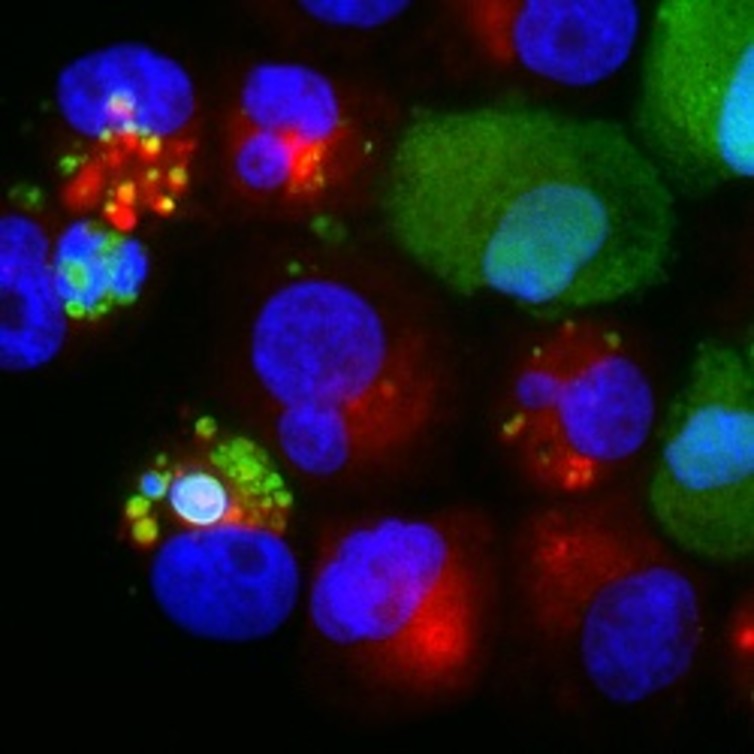
Cancer cells, in red, cannibalize a type of stem cell, shown in green. The red cells with small specks of green are breast cancer cells that have “eaten” the stem cell.
Author provided. , Author provided

Thomas Bartosh, Texas A&M University

Breast cancer death rates overall have steadily declined since 1989, leading to an increased number of survivors. But while breast cancer survivors are grateful their bodies show no trace of the disease, they still face anxiety. Breast cancer can and does return, sometimes with a vengeance, even after being in remission for several years.

By studying the “cannabilistic” tendency of cancer cells, my research team has made some progress in finding out why.

The chances of recurrence and disease outcome vary with cancer subtype. About one-third of patients diagnosed with triple negative breast cancer, the most aggressive subtype, may experience a recurrence in another part of the body. This is called distant recurrence.

It has been difficult, if not impossible, to predict if and when the same cancer will recur – and to stop it. Recurrent disease may arise from just a single cancer cell that survived the initial treatment and became dormant. The dormancy allowed it to hide somewhere in the body, not growing or causing harm for an unpredictable amount of time.

Determining what puts these dormant cells to “sleep” and what provokes them to “wake up” and begin multiplying uncontrollably could lead to important new treatments to prevent a demoralizing secondary cancer diagnosis.

Recently, my research team and I uncovered several clues that might explain what triggers these breast cancer cells to go dormant and then “reawaken.” We showed that cell cannibalism is linked to dormancy.

How do bone stem cells affect breast cancer?

Breast cancer can recur in the breast or in other organs, such as the lungs and bone. Where breast cancer decides to grow depends largely on the microenvironment. This refers to the cells that surround it, including immune cells, cells comprising blood vessels, fibroblasts and the select proteins they produce, among other factors.

Over a century ago, a surgeon named Stephen Paget famously compared the organ-specific prevalence of cancer metastasis to seeds and soil. Because breast cancer often relapses in bones, in this metaphor, which still holds forth today, the bone marrow provides a favorable microenvironment (the “soil”) for dormant breast cancer cells (the “seeds”) to thrive.

Just as seeds need soil to provide an environment for growth, cancer cells need an environment to grow.
From www.shutterstock.com

Thus, a substantial amount of recent work has involved trying to determine the role in cancer dormancy of a special type of cell, called mesenchymal stem cells (MSCs). These are found in bone marrow.

MSCs in bone marrow are highly versatile. They are able to form bone, cartilage and fibrous tissue, as well as cells that support the immune system and formation of blood. They are also known to travel to sites of tissue injury and inflammation, where they aid in healing.

Breast cancer cells readily interact with MSCs if they meet in the bone marrow. They also readily interact if the breast cancer cells recruit them to the site of the primary tumor.

My research team and I recently focused on potential outcomes of these cellular interactions. We found an odd thing happens, which may provide insight into how these breast cancer cells hide for a long time.

In the laboratory setting, we produced breast tumor models containing MSCs. We also re-created the hostile conditions that naturally challenge developing tumors in patients, such as localized nutrient deficits caused by rapid growth of cancer cells and overcrowding.

We discovered that cancer cells under this duress become dormant after eating, or “cannibalizing,” the stem cells.

Our analysis provided compelling data
demonstrating that the cannibalistic breast cancer cells did not form tumors as rapidly as other cancer cells, and sometimes not at all. At the same time, they became highly resistant to chemotherapy and stresses imposed by nutrient deprivation.

Dormant cells are widely linked to recurrence. We hypothesize that cannibalism thus is linked to recurrence.

What is cellular cannibalism, and why is it important in cancer?

Cellular cannibalism, in general, describes a distinct phenomenon in which one cell engulfs and eliminates neighboring, intact cells.

A cancer cell, shown in red, cannibalizes an MSC, which then become part of the cancer cell (as seen in specks in the red cancer cell on bottom left).
Author provided., Author provided

The percentage of cancer cells that show cannibalistic activity is relatively low, but it does appear to increase in more aggressive tumors.

There are several reasons breast cancer cells would want to eat other cells, including other cancer cells. It provides them with a way to feed when nutrients are in short supply. It also provides them a way to eliminate the very immune cells that naturally stop cancer growth. Cell cannibalism might also allow cancer cells to inherit new genetic information and, therefore, new and advantageous traits.

Notably, in our study, cannibalistic breast cancer cells that ate the stem cells and entered dormancy began to produce an array of specific proteins. Many of these proteins are also secreted by normal cells that have permanently stopped dividing, or senescent cells, and have been collectively termed the senescence-associated secretory phenotype (or SASP). Although cellular senescence is a part of aging, we are now realizing that it is also important for a variety of normal bodily processes, development of embryos and injury repair in adults.

This suggests that although dormant cancer cells do not multiply rapidly or form detectable tumors, they are not necessarily sleeping. Instead, at times they might be actively communicating with each other and their microenvironment through the numerous proteins they manufacture.

Overall, this might be a clever way for dormant cancer cells to “fly under the radar” and, at the same time, modify their microenvironment, making it more suitable for them to grow in the future.

Can cell cannibalism be exploited for diagnosis and treatment?

Although our results are promising, it’s important to be cautious. While there appears to be a strong correlation between cell cannibalism and dormancy, for now we do not know if it is directly linked to cancer recurrence in patients. Studies are underway, however, to corroborate our findings.

Still, the fact that breast cancer cells cannibalize MSCs is intriguing. It provides an important foundation for developing new diagnostic tools and therapies. Indeed, we currently have several ways of applying our recent discoveries.

One exciting idea is to exploit the cannibalistic activity of cancer cells to feed them suicide genes or other toxic agents, using MSCs as a delivery vehicle, like a tumor-seeking missile.

Importantly, MSCs can be easily obtained from the body, expanded to large numbers in the laboratory, and put back into the patient. Indeed, they have already been used safely in clinical trials to treat a variety of diseases due to their ability to aid in tissue repair and regeneration.

A different avenue for drug development would involve keeping dormant cells in a harmless and nondividing state forever. It might also be possible to prevent cancer cells from eating the stem cells in the first place.

The ConversationIn our study, we were able to block cell cannibalism using a drug that targets a specific protein inside cancer cells. With this treatment approach, the cancer might essentially starve to death or be more easily killed by conventional therapies.

Thomas Bartosh, Assistant Professor, College of Medicine, Texas A&M University

This article was originally published on The Conversation. Read the original article.

Melanoma: Taming a migratory menace

Former President Jimmy Carter in Aug., 2015 at Maranatha Baptist Church in Plains, Ga. Carter was undergoing treatment for advanced melanoma at the time. Via AP.
David Goldman/AP

Richard Neubig, Michigan State University

The deadliest cancer of the skin is cutaneous melanoma. In 2017 over 160,000 Americans are expected to be diagnosed with melanoma, and over half will have invasive disease, or one that has gone beyond the skin and which carries greater risk of recurrence. About 9,700 people are expected to die from melanoma this year.

Unlike most common cancers, such as breast and lung cancer, the incidence of melanoma continues to increase, mainly in young people below the age of 30. There has been a more than 50 percent increase in melanoma in young women since 1980.

The vast majority of melanomas are caused by exposure to UV light from sun or indoor tanning. Reducing these exposures by changing habits or using sun protection – sun screens and clothing coverage – is the best way to avoid melanoma and other skin cancers.

As a researcher who studies what makes melanoma spread, or metastasize, I’m acutely aware of how hard this deadly cancer is to tame. To be sure, advances have been made. Former President Jimmy Carter – probably the most high-profile melanoma survivor in history – benefited from new treatments resulting from immunotherapy, a technique my lab and many others are using to combat cancer.

A challenging cancer

For reasons that aren’t fully understood, even quite small melanomas can spread in the body, or metastasize. Detection very early, when the tumor is less than 1 millimeter thick, allows surgery that provides a near cure.

Survival with the earliest Stage 0 or 1A melanomas, or local disease, is greater than 95 percent at ten years after diagnosis. This fact has prompted the Melanoma Research Foundation to promote its #GETNAKED campaign for monthly skin checks to identify new moles or skin changes that might be an early indication of melanoma. Catching it early is critical because once it spreads, melanoma can become a monster.

Let’s consider the process of cancer metastasis, which involves at least four distinct steps.

First the cancer cells have to leave the vicinity of the primary tumor. They do this by invading through tissue barriers that sustain the normal tissue architecture.

Second, they need to invade through the blood vessel wall to get into the bloodstream.

These two steps are called intravasation, which means “into the blood stream.” Once there, the cancer cells need to survive.

Most cells in normal tissues require cell attachment, or contact with surfaces or other cells, to survive. When normal cells are detached from those contacts, they usually undergo a type of cell suicide called anoikis. This process of cell suicide is lost in many cancers.

The cancer cells then need to leave the bloodstream by invading through the wall of the blood vessel in a process called extravasation. This third step allows the cancer cells to spread to other parts of the body.

Finally, the cancer cells need to adapt and grow in the new environment, such as in the lung or brain.

One unique characteristic of melanoma is that it is not uncommon to have melanoma metastases show up after 10 or more years with no evidence of disease.

These late recurrences may be due to several underlying mechanisms, but one explanation is a process called cellular dormancy. While in this dormant state, cells can not be detected, and it is thought that the patient may have been cured.

Finding a way to prevent dormancy could reduce the chances of a late recurrence of metastatic disease.

Recent advances bring hope

Beyond prevention of the cancer in the first place, which is the best approach, there have been tremendous advances in the treatment of cutaneous melanoma. A critical development was the discovery in 2002 that over half of cutaneous melanomas have a mutation in the BRAF gene.

The mutation of this gene plays a key role in melanoma cell growth and proliferation. The BRAF protein is a member of the protein kinase family which has become a major target class for drug development in the pharmaceutical sector.

In 2010, remarkable results were presented on clinical benefits of a BRAF inhibitor, vemurafenib.

A new drug, vemurafenib, has been shown to block the path of a mutated gene called BRAF, seen in more than half of cutaneous melanomas.
Author provided., Author provided

In the same year, a major advance in immune therapy for melanoma was reported where ipilimumab, an antibody that enhances the body’s immune responses, showed a significant survival benefit in patients with diffuse metastatic melanoma. These were the first breakthroughs in melanoma treatment in more than a decade.

In addition to these two early developments, other drugs acting like vemurafenib as well as improved immunotherapies have been developed. These have further improved therapy of cutaneous melanoma. Immune modulation has even resulted in long-term survival in a fraction (10-20 percent) of patients.

Limits to new treatments

Despite these advances, however, there are still key problems with current therapies. Many rapidly lose effectiveness; drugs like vemurafenib that were controlling the tumor stop working through the development of resistant cancer cells, often within less than one year.

Also, the immune therapies only benefit a fraction of patients. When combinations of two immune therapy drugs are used to give a better effect on the cancer, the patients’ immune systems begin attacking normal tissues, which leads to autoimmune side effects.

Consequently, we need new approaches to prevent or treat the progression of melanoma and especially the development of metastases.

Work in our lab and that of others has identified a cellular mechanism similar to the BRAF pathway that appears to play a role in the migration and metastasis of melanoma. A pathway is a series of biological steps that lead to changes in cell function, such as growth or migration.

If we could confirm this new pathway as a possible drug target, we may be able to develop a therapy to prevent metastasis.

A protein to examine

In the BRAF pathway, a small protein called Ras works upstream of BRAF to activate it. Ras is one of the most commonly mutated genes in all of cancer biology. The particular version in melanoma is called NRAS. It is mutated and activated in about 20 percent of melanomas. Combined, mutations in BRAF and NRAS are found in 80-90 percent of melanomas. This is why the BRAF pathway is a prime target for therapy.

The new pathway we have identified starts with something called the Rho protein, which is very closely related to Ras.

When this Rho mechanism is activated, cancer cells move more actively and will invade the tissue that surrounds a tumor.

Along with Rho, a second critical player is a protein called MRTF that turns on gene expression (i.e. the production of RNA and proteins) when it is activated. Rho activates MRTF by driving it into the nucleus of the cell, where it can turn on gene expression.

We found that this Rho/MRTF pathway is activated in some melanoma tumors but not others. When it is turned on, the MRTF protein is in the nucleus and the cells migrate very quickly and form large lung metastases when injected into mice.

The rapid invasion into a collagen matrix by the aggressive human melanoma cells with a high level of activity of the Rho/MRTF pathway.
Tumor cells were formed into spheres which were embedded in a collagen then watched over 2 days as they invade into the collagen..

Author provided., Author provided

Our lab, in collaboration with Dr. Scott Larsen at the University of Michigan, has developed some chemical inhibitors of the Rho/MRTF pathway. In our recent publication, we showed that one of these compounds was able to reduce melanoma cell migration and invasion in lab studies and to reduce metastasis of a human melanoma to the lung in a mouse model. We observed a remarkable decrease in the number and size of lung metastases in this study.

Our current studies are trying to determine whether measurements of Rho/MRTF pathway activity can be used to predict which melanoma tumors will metastasize and which early-stage melanomas are more likely to recur. If so, identification of high activity would trigger the need for very close clinical monitoring after surgery or possible drug treatment with existing drugs, or our compounds if they become available for clinical use.

We are also trying to determine whether we can prevent metastases only before the cancer cells have arrived in the lung, for example. Alternatively, if we prevent dormancy so that the cells die before setting up shop in the distant tissue or prevent the reactivation of the dormant cells in their new environment, the compounds might work even after the earliest stage of tumor spread.

The ConversationThe road from studies in mice to the clinic is long and full of pitfalls. We are continuing efforts to demonstrate that these compounds are safe enough for human studies in a few years. There are still many questions, but this approach could add a new arrow in the quiver of cancer treatment specialists.

Richard Neubig, Professor of Pharmacology and Toxicology, Michigan State University

This article was originally published on The Conversation. Read the original article.