Six common misconceptions about meditation

This isn’t the only way to meditate.
Microgen/Shutterstock

Dusana Dorjee, Bangor University

Meditation has been hailed as a way to boost mental health, help chronic pain, reduce stress and build a new appreciation for the world around us.

But even with all this interest, misconceptions about what this ancient practice can do for human health and well-being are still circulating.

1. There is only one type of meditation

Only some meditations involve sitting quietly with legs crossed. Qi Gong and Tai Chi, for example, focus on meditative movement. This combines a relaxed but alert state of mind with slow movements and gentle breathing. Others, like Tibetan Buddhist meditation involve visualisations and/or mantras. There is also “thinking meditation” where one reflects on topics such as impermanence, while staying relaxed yet focused and reflective.

Many types also encourage bringing meditation into ordinary daily activities – such as mindful dish washing involving paying attention to the sensations of the water and hand movements. Similarly, there is eating meditation, where one expresses gratitude for the food and wishes for others less fortunate.

2. It’s all about being still and quiet

Stable non-reactive attention is developed in all meditation types, but it is particularly targeted in mindfulness practices. Other meditation types cultivate qualities such as compassion, generosity or forgiveness. Another form – sometimes called deconstructive meditation – specifically develops contemplative insight into the working and nature of our minds.

Tai Chi in practice.
Ulza/Shutterstock

Meditation training typically progresses from practices which stabilise attention to cultivating compassion and other related qualities, then insight. Importantly, at each of these stages the meditator reflects on their motivation and intentions for the practice, which is likely to affect the outcomes too. While some may meditate to reduce anxiety or back pain, others seek spiritual awakening, for example.

3. You have to be able to “empty the mind”

While meditating does often involve quieting of the mind, this doesn’t mean the mind goes blank. Meditation involves developing the ability to observe one’s thoughts, emotions and sensations with the quality of non-reactivity – that is being able to notice and pause rather than react – and develop a wider compassionate perspective.

The idea that one needs to empty the mind has probably come from misunderstandings about some advanced meditation types such as meditative absorptions, awareness of awareness practices or some Dzogchen meditations. These are accompanied by very few ordinary thoughts, sensations and emotions. But even with limited thinking, these meditative states have qualities of ease, clarity, compassion, alertness and reflective awareness. Forcefully trying to limit thinking would be unhealthy at any stage of meditation training.

4. Meditation will put you at ease from day one

Meditation isn’t simply a smooth ride to a quiet mind. Increased awareness of unhealthy mental habits and behaviour is common at the beginning of practice, and during transitions towards more advanced stages of meditation. These challenging experiences can actually give rise to some adverse effects – such as increased anxiety or disorientation. This is why it is important to practice under the guidance of an experienced and qualified meditation teacher who is able to provide advice on how to work with such experiences.

5. We know all there is to know about the benefits

Research has already supported the benefits of some types of meditation on things like depression and to some extent stress reduction. However, some other common claims aren’t backed up by scientific research. There is mixed or insufficient evidence on the effects of meditation on reduction in stress hormone levels, for example, and on ageing too.

Though research into how meditation affects the human brain continues, at present our understanding of the long-term effects of meditation is very limited. Most studies tend to follow the effects of meditation from before to after an eight-week course, or one-month retreat, rather than years or potentially a lifetime of meditation.

Neither have the benefits been defined by type of meditation. Different meditation styles – and even different types of mindfulness – have different forms and aims and so might have different impacts on human psychology and physiology.

6. It is only for reducing pain, stress or anxiety

The aim of meditation in its traditional context – including and beyond Buddhism – has been the exploration of meaning and purpose in life, and connecting with deeper existential awareness. This core aspect is often neglected in the current teaching. Research mostly – but not always – focuses on immediate health benefits of meditation, rather than existential well-being.

The existential awareness dimension of meditation practice is closely intertwined with the motivation and intentions behind meditation practice. So if we want to truly understand meditation, perhaps there needs to be a greater focus on this essential aspect. Learning more about this would also help address some current concerns about the use of meditation techniques outside traditional contexts as a means to increase productivity and reduce stress.

The ConversationMeditation certainly has potential to contribute to our health and well-being, and its real power is still unexplored and unharnessed. If you are considering taking on or continuing with meditation practice, do your research and work out which practice (under proper guidance) will work best for you personally.

Dusana Dorjee, Honorary Lecturer, Bangor University

This article was originally published on The Conversation. Read the original article.

Four of the most life-threatening skin conditions and what you should know about them

Some serious skin conditions are more likely to affect those with weaker immune systems.
from www.shutterstock.com

William Cranwell, Melbourne Health

This article is part of our series about skin: why we have it, what it does, and what can go wrong. Read other articles in the series here.


Dermatological emergencies are uncommon, but can cause devastating complications and death if not recognised and treated early. Some skin conditions require treatment in an intensive care unit. Here are some of the most serious skin conditions and what you should know about recognising them.

1. Necrotising fasciitis

Necrotising fasciitis is a severe infection of the skin, the tissue below the skin, and the fascia (fibrous tissue that separates muscles and organs), resulting in tissue death, or necrosis. The infection is rapid, fast-spreading and fatal if not detected and treated early. If not treated with antibiotics and surgery early, toxic shock and organ failure are common.

Necrotising fasciitis may occur in anyone. Previously healthy young people are often affected.

The cause may be one or more bacteria entering the body via an external injury or punctured internal organ. Group A streptococci bacteria, which are the organisms implicated in “strep throat”, are among the most common causes.


Read more:
Explainer: what causes necrotising fasciitis, the flesh-eating bug?


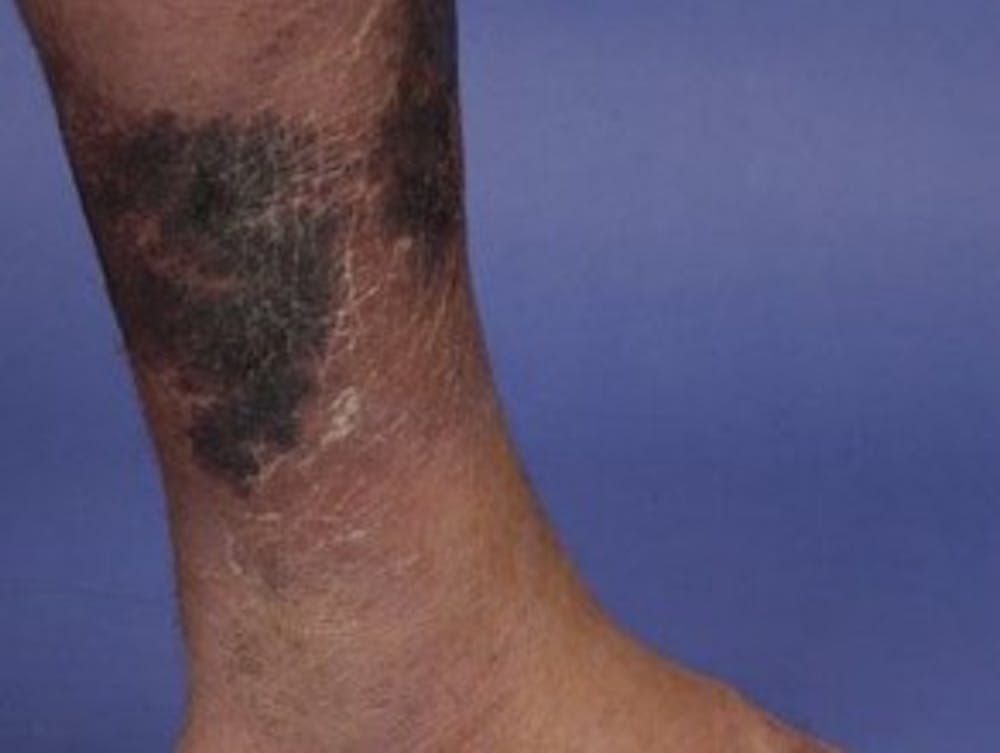
Early necrotising fasciitis is easily missed, as similar symptoms are commonly seen in less severe infection. The initial area is painful, red and swollen. This progresses to a dark, blistered, malodorous and blackened area, which is a sign of tissue death. Other symptoms include fever, intense pain, low blood pressure and shock.

The most important risk factors for necrotising fasciitis include diabetes, peripheral vascular disease, trauma, alcohol and intravenous drug use, and use of non-steroidal anti-inflammatory drugs.

Treatment of necrotising fasciitis is immediate hospitalisation, surgical removal of all dead tissue, and intravenous antibiotics. Patients often require intensive care. Management of shock and other complications reduces the risk of death. Use of a hyperbaric chamber (to increase oxygen delivery to the tissue) and immune therapy may also be required.

Around a quarter of people diagnosed with necrotising fasciitis will die, and sepsis occurs in up to 70% of cases.

Most have heard of necrotising fasciitis as the ‘flesh-eating bug’.
DermNet New Zealand

2. Scalded skin syndrome

Staphylococcal scalded skin syndrome is an uncommon major skin infection. It typically affects newborn babies, young children and adults with reduced immune systems or kidney failure. This syndrome is caused by toxins produced by the bacterium Staphylococcus aureus, which is common in throat, ear and eye infections.

Around 15-40% of adults carry Staphylococcus aureus on the skin surface and have no problems. But these adults may inadvertently introduce the bacteria into nurseries or daycare centres. Because young children have weak immunity to specific toxins, they’re at increased risk of scalded skin syndrome.

Scalded skin syndrome is characterised by a red, blistering rash resembling burns. Early symptoms include fever, skin redness and skin tenderness. Other symptoms may include sore throat or conjunctivitis.

Within 24-48 hours, fluid-filled blisters form on the entire body. The blisters may rupture, leaving areas resembling burns. Large areas of the skin peel off and fall away with only minor touch.


Read more:
Common skin rashes and what to do about them


Scalded skin syndrome requires hospitalisation for intravenous antibiotics and treatment of the wounds. Ruptured blisters require wound dressings, and the skin surface requires intense care to avoid further damage.

Other treatment includes intravenous fluid and electrolyte maintenance to prevent shock and other complications, paracetamol for pain and fever, and avoidance of severe sepsis. Sepsis is when chemicals released into the bloodstream to fight an infection trigger inflammatory responses throughout the body, which can be life-threatening.

Complications of scalded skin syndrome include severe infection, pneumonia, cellulitis (a bacterial skin infection) and dehydration. Most children treated appropriately recover well and healing is complete within a week.

Staphylococcal scalded skin syndrome is more likely to occur in people with weaker immune systems – such as children.
DermNet New Zealand

3. DRESS syndrome

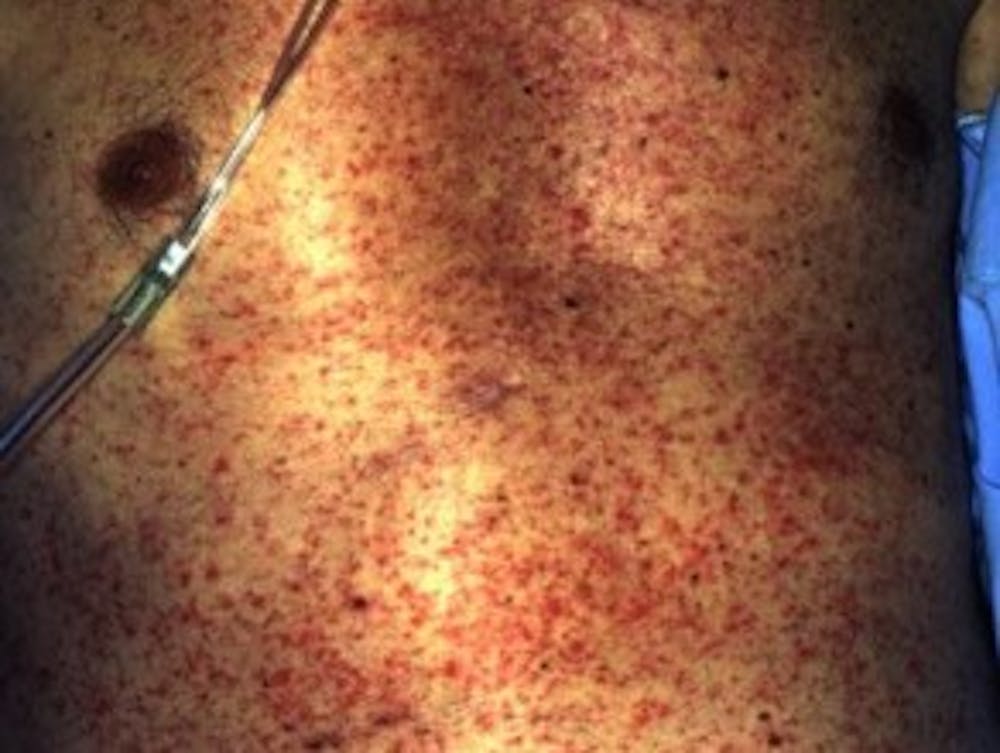
Standing for “drug reaction with eosinophilia and systemic symptoms,” DRESS syndrome is a severe reaction that affects the skin and internal organs. The patient may have an extensive rash, fever, enlarged lymph nodes and damage to the liver, kidneys, lungs, heart, blood components or pancreas. Symptoms usually start two to eight weeks after the responsible drug has been taken.

The death rate is estimated between 10 and 20%, most often due to liver failure.

The most common drugs responsible include anticonvulsants, antidepressants, non-steroidal anti-inflammatory drugs, antibiotics and sulfa drugs (a type of synthetic antibiotic). The severe reaction is thought to occur due to a pre-existing genetic change in the immune system, a triggering illness (most often a viral infection) and defective breakdown of the drug by the body.

Early diagnosis is essential. The responsible drug must be stopped immediately and patients may require intensive care or burn unit management. More intensive treatment is needed if organs are involved.

DRESS syndrome appears a few weeks after taking a drug the patient is allergic to.
DermNet New Zealand

4. Life-threatening drug reactions

Stevens-Johnson syndrome (SJS) and toxic epidermal necrolysis (TEN) are variants of a life-threatening reaction that affects the skin and mucous membranes (mouth, eyes, genitals, respiratory or gastrointestinal tracts).

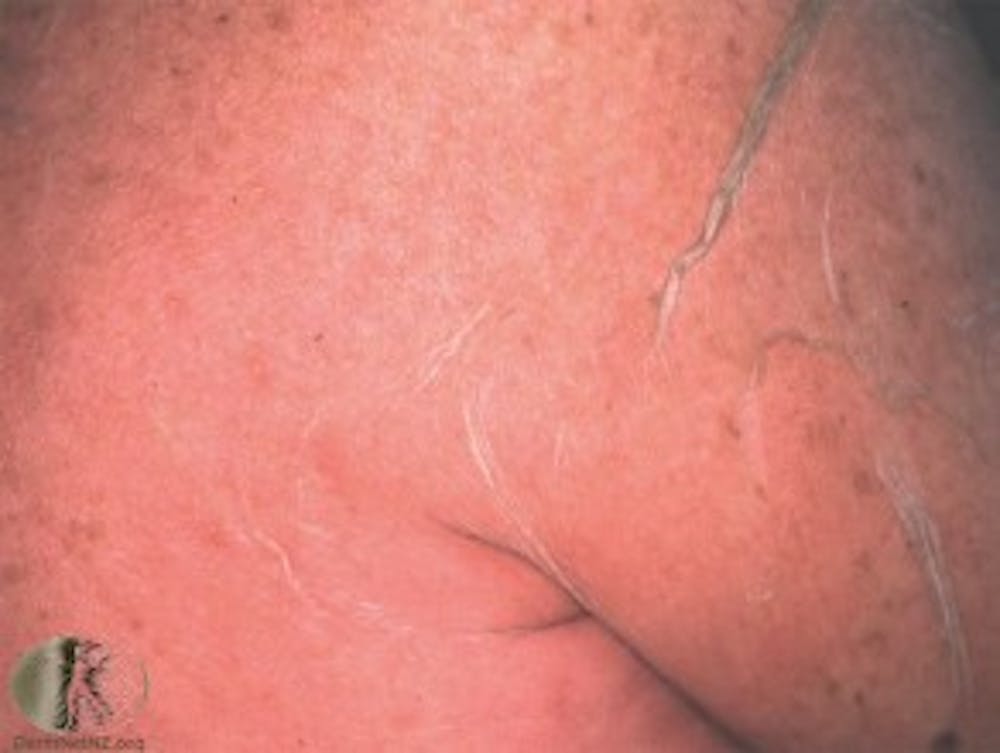
These are unpredictable reactions that leave sufferers critically unwell, with widespread death of the outer skin layer (epidermis), which peels off. The rash generally begins on the trunk and extends to the limbs and face, and there is intense skin pain. Before the rash appears, symptoms include fever, sore throat, runny nose, conjunctivitis and general aches.

It’s almost always caused by medications. The most common medications causing this reaction are anticonvulsants, antibiotics, allopurinol (gout medication), non-steroidal anti-inflammatory drugs and an HIV drug. The reaction usually occurs in the first eight weeks after taking the drug. It’s more likely to happen if the patient has cancer, HIV or specific genes that may play a role.

This reaction can be fatal by causing dehydration and malnutrition, severe infection, respiratory failure, gastrointestinal complications and multi-organ failure.

The responsible drug has to be stopped, and treatment (in a burns unit and intensive care unit) includes wound care, fluid management, pain management and prevention of infection. Long-term complications, including scarring, eye, oral, genital, lung disease and mental health disorders, are common. Around a quarter of people with this reaction will die.


The Conversation


Read more:
The skin is a very important (and our largest) organ: what does it do?


This reaction to medications is totally unpredictable.
DermNet NZ

William Cranwell, Dermatology Clinical Research Fellow, Melbourne Health

This article was originally published on The Conversation. Read the original article.
A clue for how to reduce HIV transmission when using hormonal contraceptives

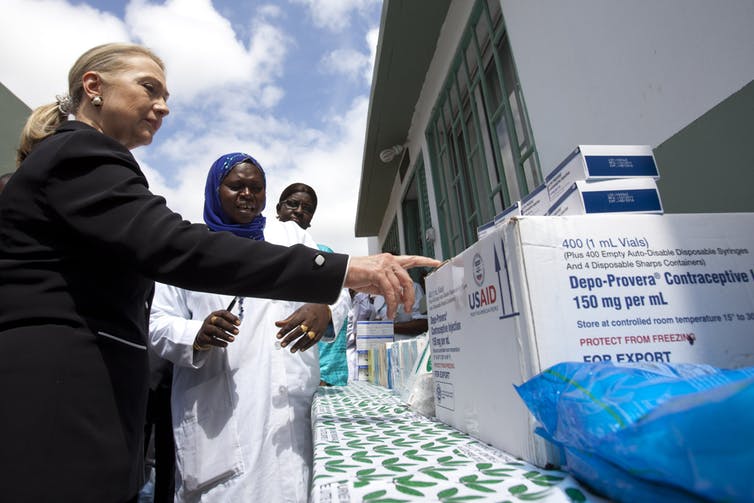
The US AID program has provided the contraceptive Depo-Provera to other countries, including Senegal.
AP Photo/Jacquelyn Martin

Thomas L. Cherpes, Stanford University

More women are affected by human immunodeficiency virus (HIV) than any other life-threatening infectious agent. This makes it crucial to identify all factors increasing the risk of HIV infection.

One risk factor may be injectable hormonal contraceptives. Worldwide, these drugs are used by 41 million women and about 2 million women in the United States. The most popular is Depo-Provera.

While clinical studies indicate women using injectable hormonal contraceptives are more susceptible to HIV, no study has proven they cause women to acquire HIV infection. This lack of definitive proof makes it difficult to develop usage guidelines for these drugs.

My lab studies genital immune responses in humans and animal models. In experiments with female mice, we uncovered how Depo-Provera may promote HIV transmission and a way to potentially avoid this effect.

HIV and unplanned pregnancy

Based on its link to HIV transmission, last year the World Health Organization revised its recommendation for Depo-Provera, changing its classification from “use without restriction” to “benefits outweigh theoretical or proven risks.”

This change was designed to ensure women are informed by health care providers of the potential risks associated with Depo-Provera.

However, the WHO also advised that clinicians continue providing unrestricted access to Depo-Provera.

Our incomplete understanding of Depo-Provera’s effects thus creates a public health dilemma. On one hand, women must be informed of the data that indicate injectable contraceptives increase their HIV risk. On the other, Africa and other areas with high burdens of HIV disease have high infant and maternal mortality rates and great need for effective contraception.

Moreover, some believe the links seen between Depo-Provera and HIV are behavioral, not biological. In other words, women using hormonal contraception acquire HIV more often simply because they have more unprotected sex.

These uncertainties suggested new research strategies were needed to understand relationships between Depo-Provera and HIV transmission.

Exploring the connection in mice

To define the effects of Depo-Provera on HIV transmission, my lab injected female mice with human blood cells, a process called “humanizing.” These humanized mice can be used to examine how specific treatments alter human immune cell function and to study HIV and other human pathogens.

Mice are ‘humanized’ by an injection of human blood cells. This allows mice to help define how human immune cells react to various treatments and infections.
Levorian, CC BY-SA

We found that treating humanized mice with Depo-Provera made their genital tissue more permeable to immune cells called leukocytes. This increase in permeability likewise made it easier for HIV-infected leukocytes to invade genital tissue and cause systemic infection.

Our findings thus provide plausibility for the suspected increased risk of HIV in women using Depo-Provera. Supporting the relevance of our work for women, animal models and clinical studies have indicated that the HIV-infected leukocytes we used are an important cause of HIV transmission in humans.

Looking to mice for solutions

However, we also used mice to show that increases in tissue permeability and HIV transmission caused by Depo-Provera were eliminated in mice treated with Depo-Provera and Premarin, a vaginal estrogen cream prescribed to menopausal women.

This implies contraceptives releasing progestin and estrogen have the potential to avoid the increases in HIV susceptibility caused by Depo-Provera alone.

While intriguing, this conclusion is speculative, as mice do not model all changes seen in the genital tracts of women using Depo-Provera.

Therefore, before contraceptives that contain progestin and estrogen are adopted as a HIV prevention strategy, it will be crucial to confirm our results in nonhuman primates and clinical trials. Importantly, clinical studies testing this strategy can start immediately, as contraception releasing both estrogen and progestin is already commercially available.

The ConversationAs evidence linking injectable contraceptives with HIV transmission continues to accumulate, this research will help identify contraceptive strategies less likely to put women at risk for HIV infection. Completing these studies will ultimately help women make more informed contraceptive choices.

Thomas L. Cherpes, Assistant Professor of Comparative Medicine, Stanford University

This article was originally published on The Conversation. Read the original article.

The skin is a very important (and our largest) organ: what does it do?

It doesn’t just hold everything in.
Unsplash/Lucaxx Freire

Cara McDonald, St Vincent’s Hospital Melbourne

This article is part of our series about skin: why we have it, what it does, and what can go wrong.


Our skin is a big deal – literally. It’s the largest organ in the body and one of the most complicated. It has many roles in the maintenance of life and health, but also has many potential problems, with more than 3,000 possible skin disorders.

Not only does the skin hold everything in, it also plays a crucial role in providing an airtight, watertight and flexible barrier between the outside world and the highly regulated systems within the body. It also helps with temperature regulation, immune defence, vitamin production, and sensation.

The skin is unique in many ways, but no other organ demands so much attention and concern in both states of disease and health. There is a huge focus on skin health, with fierce competition to have glowing, clearer, healthier, younger and fresher skin. And this focus can cause secondary problems with self-esteem and mental health.

So, what exactly is our skin meant to do and how does it impact our life?

The structure of the skin

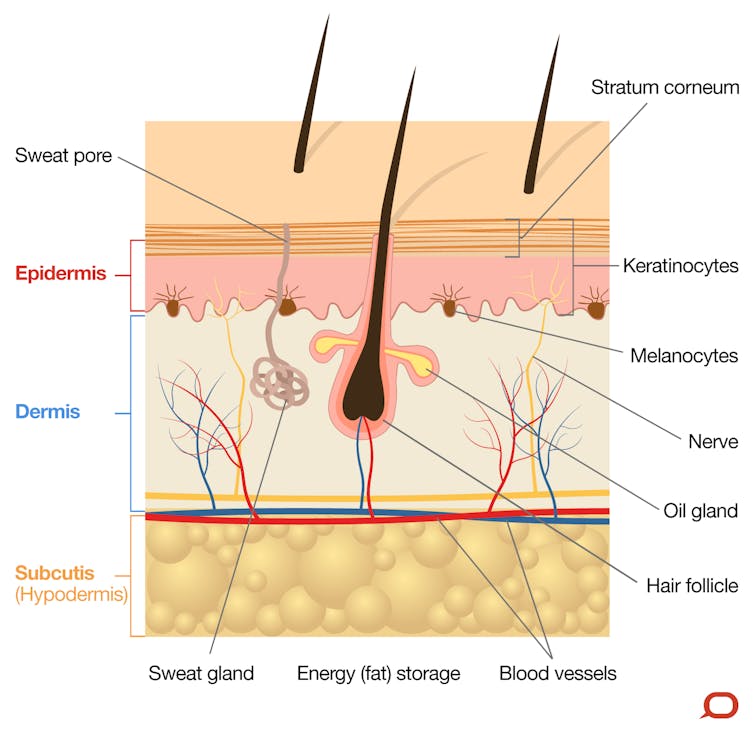
The skin is divided into three layers known as the epidermis, dermis and subcutis. These layers are well defined but together they allow the skin to function effectively.

The epidermis is the outermost, cellular layer of the skin which varies in thickness depending on the body site. On average it’s less than half a millimetre thick. The epidermis resembles a “brick wall” of cells known as keratinocytes, which are bound tightly together and act to prevent free movement of moisture, pathogens and chemicals into or out of the body.

Keratinocytes replicate from the basal layer and work their way up to the outer surface (known as the stratum corneum) over a period of about 28 days. Once they reach the surface the tight bonds between them break apart and they are shed.

Other than keratinocytes, pigment-producing cells known as melanocytes and immune cells known as Langerhans cells also exist within the epidermis. Melanocytes inhabit the basement membrane, at the base of the epidermis and produce a pigment known as melanin both innately (giving the skin its natural colour), and in response to ultraviolet light (UV) exposure (giving the skin a sun tan).

The melanin is a brown pigment that is taken up into the overlying keratinocytes. This pigment will then absorb UV light (from the sun) when it hits the skin, thereby protecting the basal calls underneath from UV damage.

The epidermal cells also develop hair follicles, sweat glands and sebaceous (oil) glands which extend down into the layer below known as the dermis. The small ducts from each of these glands open onto the skin surface. Sweat and sebum (oil) provide an antibacterial and protective barrier on the skin.

The dermis lies beneath the epidermis and is 20-30 times thicker. It’s made up of a dense layer of fibrous (collagen) and elastic (elastin) tissue. The dermis gives the skin its integrity, strength and elasticity; and houses blood vessels, glands and hair follicles, as well as nerves and their receptors.

Beneath the dermis lies the subcutis (also known as the hypodermis), a specialised layer of adipose (fat) and fibrous tissue. The thickness of this layer varies dramatically depending on the site and a person’s body shape and weight. It cushions the body from external trauma, insulates from the cold and stores energy (fat).

We pay more attention to the health of our skin than perhaps any other organ.
Unsplash/Isabelle Winter

The function of the skin

The extraordinary array of functions performed by healthy skin is still coming to light. The basic day-to-day functions include:

  • Working as a barrier – protecting against water loss as well as physical and chemical injury, and bugs
  • Helping us fight off bugs, allergens, toxins and carcinogens via the parts of our immune system that exist in our skin
  • Regulating our temperature by dilating and constricting our blood vessels near the skin surface, controlling the transfer of heat out of the body. Temperature is also regulated by evaporative cooling due to sweat production and by the insulating effect of erect hairs on the skin surface. Heat loss is also affected by the insulating layer of subcutaneous fat
  • Protecting us from UV radiation by producing melanin
  • Giving us the sense of touch _ providing interaction with physical surroundings, allowing all fine and gross motor activities and allowing pleasurable and sexual stimulation
  • The production of Vitamin D, which helps prevent many diseases including osteoporosis, cancer, heart disease, obesity and neurological diseases
  • Wound healing
  • Beauty and physical attraction – the quality and condition of the skin greatly contributes to the perception of health, wellness, youth and beauty.

What is normal skin and how can you optimise it?

Normal healthy skin has many important roles and thus should be treated with care and respect. Many people only start focusing on the skin once there is an abnormality or at least a perceived problem.

Common concerns include dryness, sensitivity, oiliness, congestion, wrinkles, sun damage and signs of ageing. Although these states are all within the spectrum of normal functional skin, they may be considered problematic if severe or undesirable.

You only get one skin. Don’t do this to it.
Unsplash/Maciej Serafinowicz

Normal, healthy skin that is not exposed to excessive physical or environmental insults may not require any specific care or protection, but for those who want to optimise or improve their skin, some basic steps can make a big difference.

The key to skin care is consistency and routine, and it can take time to appreciate the changes. A basic regime of daily protection from excessive UV radiation, protection from excessive irritation and drying (by avoiding drying soaps, excess water or irritating chemicals) and aiding of the skin’s barrier properties (using a moisturising protective layer) will result in noticeable improvement in almost all skin.

The ConversationSwitching and changing products and routines is usually counterproductive and will prevent you from seeing expected improvement in time. It’s worth looking after your skin, as you’ll wear it every day for the rest of your life.

Cara McDonald, Consultant Dermatologist, St Vincent’s Hospital Melbourne

This article was originally published on The Conversation. Read the original article.
Sophia, the first humanoid robot to speak in Nepal

KATHMANDU, Mar 20: Sophia, the first humanoid robot acknowledged as a citizen of the Kingdom of Saudi Arabia is arriving in Nepal tomorrow as a keynote speaker in a conference.


The human robot is part of the United Nations Development Programme’s conference on “Technology for Public Services/Development” on March 21.


“As part of our efforts to facilitate discussions on how technology and innovation could contribute to better governance, and towards achieving the Sustainable Development Goals, UNDP is organizing the conference where Sophia will be take part,” UNDP said.


It reads, “the conference is aimed at helping Nepal find ways to better using technology and innovation for advancing development in a changed federal context.”


The conference aims to showcase how technology can offer possibilities of development in the country.


“UNDP believes that technology and innovation could play an important role in helping the local governments ensure better service delivery, even in physically remote areas. With technological innovations, such as e-education, tele-medicine, and internet, it is possible to connect remote areas and people with solutions which were impossible earlier.”


The conference will bring together speakers and participants representing central, provincial and local governments (eg. mayors of municipalities, especially those form the isolated and remote parts of Nepal), the private sector, civil society, youth, academia and the media, allowing them to share and learn new ideas, experiences and lessons on technology for development.


Sophia will give keynote address at the conference and will be followed by presentations from experts and innovators in the areas of inclusive economic growth, democratic governance and resilience.


WHO IS SOPHIA


Sophia, a humanoid robot designed by Hanson Robotics, is UNDP’s first-ever Innovation Champion. She is championing the United Nation’s Sustainable Development Goals, in Asia and the Pacific with a focus on innovation. Experts believe that artificial intelligence such as Sophia marks the coming of the fourth industrial revolution and will bring about a dramatic shift in how technology can help solve some of development’s most intractable problems.


Sophia, now two and a half years old, uses voice- and face-recognition technology combined with artificial intelligence to carry on conversations with humans. She was first introduced to the United Nations in October this year, when she engaged in a brief conversation with the United Nations Deputy Secretary-General, Amina J. Mohammed.

@MyRepublica

Alcohol Withdrawal Treatment

Mary John


The alcohol damage and alcohol withdrawal syndrome is out of the group of the symptoms observed in the person who stop drinking alcohol after heavy drinking habits. The serious syndrome involves confusion, brain over activity are the symptoms of the alcohol withdrawal.

In the brain the alcohol damages and interferes with the process of the activation. Such changes can result in overreaction of the brain when alcohol withdrawn. A verity of the techniques exist for managing alcohol withdrawal, some of these involve medication. But it is good to treat mild withdrawal without medication. Studies show that the people who drink more experience repeated alcohol withdrawals.

When using sedatives to treat alcohol withdrawal, understanding the advantages and disadvantages of different drug administration techniques is necessary. Administration of an initial dose of a long acting medication with repeated doses every two hours until the symptoms subside, then stopping the drug, simplifies treatment and frees the person and the staff to focus on the recovery process, not the drug dosage treatment.

However the medication could cause the problems on the other hand by giving repeated doses if the medication causes problems than it can be
stopped. However, if we talk about alcohol detoxification then the inpatient detoxification is more effective then outpatient detoxification. Where about patient detoxification can be cheaper for some alcoholics.

Let’s talk more about alcohol withdrawal symptoms. These are divided in to various categories like, psychological symptoms: feeling of nervousness, shakiness, depression, emotional changes, and anxiety. Physical symptoms include nausea, vomiting, loss of appetite, tremor in hands etc. severe symptoms include fever, blackouts etc.

With the proper medical care alcohol withdrawal symptoms can be reduced easily or finely eliminated also. If they are mild you could be benefited from the encouragement of friends and family.

Sourc@e-healtharticles.com


11 Tips to Boost Your Metabolism


by: Andrew Bicknell


Boosting ones metabolism is something many people try to achieve everyday. Having a high metabolic rate increases the amount of calories, or energy, the body burns on a daily basis. Without optimal metabolism the body will store excess calories as fat for future use. The problem for many people is they don’t ever use these excess calories and as a result struggle with weight issues.

There are many factors that affect a person’s metabolism including age, weight, hormonal changes, lean muscle mass, diet, genetics, stress and the amount of physical activity undertaken on a daily basis. As you can see boosting your metabolism involves many factors, but the fact of the matter is that it is relatively easy to boost your metabolism if you are committed to doing so.

Here are 11 tips to help you boost your metabolism:

1. Build lean body mass. As we age our bodies metabolism or ability to burn calories decreases. One way to offset this problem is by exercising. Lean muscle burns calories and the more you have the more calories you burn, even while resting. You can build muscle through resistance or weight training at least twice a week. You can also boost your metabolism by doing cardio exercises. You can choose to do this between or in conjunction with weight training. Simply going for a walk or using the stairs instead of the elevator are good ways to get in an aerobic workout.

2. Eat Breakfast. Many people ignore eating breakfast. What they don’t realize is that it’s the most important meal of the day. Breakfast gives your metabolism a boost and provides a consistent energy supply throughout the day. The majority of people who eat a healthy breakfast have fewer weight and health issues than those who don’t.

3. Sugar is bad. Processed and refined sugar such as found in sweets and soft drinks overload the body with sugar causing many serious health issues including obesity and diabetes. Complex carbohydrates are a better energy source because they supply an even level of blood sugar. The human body just isn’t built to deal with the large amounts of refined sugar most people include in their diet.

4. Spicy foods that make you sweat can help boost your metabolism.

5. Get a good night’s sleep. There is research that shows that people who do not get sufficient sleep tend to gain weight. This may be because the body uses sleep to heal and regenerate itself, including its muscular system.

6. Drink more water. Water is the lubricant of the body. It also flushes toxins out of the body and keeps the kidneys operating at maximum efficiency. This allows the liver more time to do what it does best, metabolize fat stores.

7. Eat small meals. Eat 5 to 6 small meals per day spaced 20 to 3 hours apart. This gives the body a steady supply of energy and prevents binge eating.

8. Don’t miss meals. Skipping meals in order to loose weight is counter productive because it actually slow metabolism and can lead to over eating.

9. Plan your meals. If you have a daily or weekly menu you are much more likely to stick to your plan.

10. Drink green tea. Green tea has been shown to boost metabolism and unlike coffee does not stress the body with caffeine.

11. Include more high energy foods in your diet including fruits, vegetables and whole grains. These provide a more balanced energy source and will not cause blood sugar spikes.

Boosting your metabolism can be done if you are dedicated to doing it. This does not mean you need to stress over each little thing but if you eat right and exercise you should see a decrease in body fat and a much more energetic and happy you.

Source: e-healtharticles.com

Surprising ways to beat anxiety and become mentally strong – according to science

Don’t worry, research can help.
Shutterstock

Olivia Remes, University of Cambridge

Do you have anxiety? Have you tried just about everything to get over it, but it just keeps coming back? Perhaps you thought you had got over it, only for the symptoms to return with a vengeance? Whatever your circumstances, science can help you to beat anxiety for good.

Anxiety can present as fear, restlessness, an inability to focus at work or school, finding it hard to fall or stay asleep at night, or getting easily irritated. In social situations, it can make it hard to talk to others; you might feel like you’re constantly being judged, or have symptoms such as stuttering, sweating, blushing or an upset stomach.

It can appear out of the blue as a panic attack, when sudden spikes of anxiety make you feel like you’re about to have a heart attack, go mad or lose control. Or it can be present all the time, as in generalised anxiety disorder, when diffuse and pervasive worry consumes you and you look to the future with dread.

Most people experience it at some point, but if anxiety starts interfering with your life, sleep, ability to form relationships, or productivity at work or school, you might have an anxiety disorder. Research shows that if it’s left untreated, anxiety can lead to depression, early death and suicide. And while it can indeed lead to such serious health consequences, the medication that is prescribed to treat anxiety doesn’t often work in the long-term. Symptoms often return and you’re back where you started.

How science can help

The way you cope or handle things in life has a direct impact on how much anxiety you experience – tweak the way you’re coping, therefore, and you can lower your anxiety levels. Here are some of the top coping skills that have emerged from our study at the University of Cambridge, which will be presented at the 30th European Congress of Neuropsychopharmacology in Paris, and other scientific research.

Do you feel like your life is out of control? Do you find it hard to make decisions – or get things started? Well, one way to overcome indecision or get going on that new project is to “do it badly”.

This may sound strange, but the writer and poet GK Chesterton said that: “Anything worth doing is worth doing badly.” And he had a point. The reason this works so well is that it speeds up your decision-making process and catapults you straight into action. Otherwise, you could spend hours deciding how you should do something or what you should do, which can be very time-consuming and stressful.

People often want to do something “perfectly” or to wait for the “perfect time” before starting. But this can lead to procrastination, long delays or even prevent us from doing it at all. And that causes stress – and anxiety.

Instead, why not just start by “doing it badly” and without worrying about how it’s going to turn out. This will not only make it much easier to begin, but you’ll also find that you’re completing tasks much more quickly than before. More often than not, you’ll also discover that you’re not doing it that badly after all – even if you are, you can always fine tune it later.

Using “do it badly” as a motto gives you the courage to try new things, adds a little fun to everything, and stops you worrying too much about the outcome. It’s about doing it badly today and improving as you go. Ultimately, it’s about liberation.

Just jump right in …
The National Guard via flickr, CC BY

Forgive yourself and ‘wait to worry’

Are you particularly critical of yourself and the blunders you make? Well, imagine if you had a friend who constantly pointed out everything that was wrong with you and your life. You’d probably want to get rid of them right away.

But people with anxiety often do this to themselves so frequently that they don’t even realise it anymore. They’re just not kind to themselves.

So perhaps it’s time to change and start forgiving ourselves for the mistakes we make. If you feel like you’ve embarrassed yourself in a situation, don’t criticise yourself – simply realise that you have this impulse to blame yourself, then drop the negative thought and redirect your attention back to the task at hand or whatever you were doing.

Another effective strategy is to “wait to worry”. If something went wrong and you feel compelled to worry (because you think you screwed up), don’t do this immediately. Instead, postpone your worry – set aside 10 minutes each day during which you can worry about anything.

If you do this, you’ll find that you won’t perceive the situation which triggered the initial anxiety to be as bothersome or worrisome when you come back to it later. And our thoughts actually decay very quickly if we don’t feed them with energy.

Find purpose in life by helping others

It’s also worth considering how much of your day is spent with someone else in mind? If it’s very little or none at all, then you’re at a high risk of poor mental health. Regardless of how much we work or the amount of money we make, we can’t be truly happy until we know that someone else needs us and depends on our productivity or love.

This doesn’t mean that we need people’s praise, but doing something with someone else in mind takes the spotlight off of us (and our anxieties and worries) and places it onto others – and how we can make a difference to them.

Being connected to people has regularly been shown to be one of the most potent buffers against poor mental health. The neurologist Viktor Frankl wrote:

For people who think there’s nothing to live for, nothing more to expect from life … the question is getting these people to realise that life is still expecting something from them.

Knowing that someone else needs you makes it easier to endure the toughest times. You’ll know the “why” for your existence and will be able to bear almost any “how”.

The ConversationSo how can you make yourself important in someone else’s life? It could be as simple as taking care of a child or elderly parent, volunteering, or finishing work that might benefit future generations. Even if these people never realise what you’ve done for them, it doesn’t matter because you will know. And this will make you realise the uniqueness and importance of your life.

Olivia Remes, PhD Candidate, University of Cambridge

This article was originally published on The Conversation. Read the original article.

Why Africa needs to start focusing on the neglected issue of mental health

The treatment gap for people living with mental illness in Africa is huge.
Shutterstock

Crick Lund, University of Cape Town

Mental health has historically been neglected on Africa’s health and development policy agenda. Faced with many challenges, including intractable poverty, infectious diseases, maternal and child mortality, as well as conflict, African political leaders and international development agencies frequently overlook the importance of mental health.

This trend is often compounded by three factors: ignorance about the extent of mental health problems, stigma against those living with mental illness and mistaken beliefs that mental illnesses cannot be treated.

Absence of treatment is the norm rather than the exception across the continent. The “treatment gap” – the proportion of people with mental illness who don’t get treatment – ranges from 75% in South Africa to more than 90% in Ethiopia and Nigeria.

Yet there are several reasons to give greater priority to mental health. These include the fact that doing so delivers other health benefits; that it helps tackle socioeconomic challenges; that there are economic benefits; and that human rights offences are reduced.

Mental and physical health are inseparable

Chronic non-communicable diseases such as hypertension and diabetes, as well as infectious diseases like HIV and tuberculosis, have high levels of co-morbidity with mental illness. This co-morbidity doesn’t only influence disability but also has direct consequences for mortality.

A study in Ethiopia showed that people living with severe mental illness – conditions like schizophrenia, bipolar mood disorder and severe depression – died 30 years earlier than the general population, mainly from infectious causes.

Maternal depression has also been shown to affect the development and growth of infants.

In addition, research shows that people living with mental illness or substance use disorders are more likely to become infected with HIV.

In a further twist, people with HIV have been shown to be twice as likely as the general population to be depressed. And treating them for depression improves adherence and boosts their immune systems.

Mental health and poverty

There are strong links between mental health and poverty. In a large review of 115 studies from 36 low and middle-income countries we found that poverty was strongly associated with common mental disorders. These included depression, anxiety and somatoform disorders (psychological disorders with inconsistent physical symptoms). The study included several African countries.

In addition, the relationship between mental health and poverty is cyclical. Conditions of poverty increase the risk of mental illness. This happens through the stress of food and income insecurity, increased trauma, illness and injuries and the lack of resources to cushion the blow of these events. Conversely living with a mental illness leads those affected to drift into poverty through increased healthcare expenditure, disability and stigma.

Human rights

People living with mental illness (particularly severe mental illness) are frequently stigmatised, shunned, and excluded from mainstream society. This is as true in Africa as it is in societies around the world.

Those with schizophrenia, bipolar mood disorder and epilepsy are frequently subjected to human rights abuses. They are often cast aside because of beliefs that psychosis or epileptic seizures are signs of demon possession or evil spirits. And they are denied access to life changing treatment.

There is hope

A range of mental health interventions across the continent are leading to clinical improvements.

Since the early 2000s, a series of randomised controlled trials in African countries have provided compelling evidence that mental health interventions are highly effective. These include pharmacological and psychological interventions. Many of these have used non-specialist health providers in local communities, reducing the cost of care.

In northern Uganda for example, scientists have shown significant improvements in depression and daily functioning by using group inter-personal therapy. These were delivered by local non-specialist facilitators.

In Zimbabwe primary care clinics in Harare have introduced a “Friendship Bench”, a counselling intervention delivered by lay health workers. Significant improvements in depression, anxiety, disability and health related quality of life have been noted.


Read more:
How a community-based approach to mental health is making strides in Zimbabwe


Mental health interventions also improve the economic circumstances of people and households affected by mental illness.

We’ve conducted a systematic review of interventions that break the cycle of poverty and mental illness. Most studies that evaluated the economic impact of these interventions showed how clinical and economic improvements went hand in hand.

As this new evidence emerges, the tide is beginning to turn. In April 2016, the World Bank and the World Health Organisation held a high level meeting in Washington DC titled “Out of the Shadows: Making Mental Health a global development priority”. This led to these two global bodies committing to the WHO global Mental Health Action Plan (2013-2020) and the World Bank’s recently established Mind, Behaviour and Development Unit.

The critical question is how evidence-based interventions can be taken to scale using existing health care systems, while maintaining quality.

This question has occupied the consortium of researchers working under the umbrella of Programme for Improving Mental Health Care since 2011 in Ethiopia, India, Nepal, South Africa and Uganda.

In a similar vein, studies are being conducted in low and middle-income countries by the Emerald consortium which is working in the five countries as well as Nigeria. The aim is to strengthen information systems, improve governance and calculate the costs of scaling up integrated packages of care.

A good investment

By neglecting mental health, it will be difficult to attain many of the Sustainable Development Goals related to poverty, HIV, malaria, gender empowerment and education.

Improving mental health is a means of unlocking development potential – a neglected link in the development chain in Africa. Investing in mental health means promoting resilience on the African continent. Mental health is both a means to social and economic development, and a worthy goal in itself.

The ConversationThis is an edited version of an article that appeared in the African Policy Review.

Crick Lund, Professor in the Alan J. Flisher Centre for Public Mental Health, Department of Psychiatry and Mental Health, University of Cape Town

This article was originally published on The Conversation. Read the original article.
Three reasons why scientific advice on drugs is ignored

Syda Productions/Shutterstock

Ghaith Aljayyoussi, University of Liverpool

David Nutt, along with many other leading scientists, published a study a few years ago that showed how the overall harms associated with some legal drugs, such as alcohol and tobacco, dramatically exceed the harms of some illegal drugs, such as cannabis, ecstasy and LSD – and even the harms of heroin and cocaine. Of course, these top scientists were right, but politicians continue to ignore scientific advice, and society continues to be largely in favour of current drug laws.

Here are three factors that might explain this paradox:

1. Capitalism and class

Noam Chomsky, an American social critic and political activist, offered some interesting arguments to explain how capitalism and class shape the legal status of drugs.

Cannabis, for instance, is a plant that can be easily grown in someone’s backyard, so it is not as easy to commercialise for profit. Tobacco, on the other hand, needs industrial technologies and hence is a suitable product for commercialisation. Similarly, making high quality alcoholic drinks – a fine wine or a decent bottle of whisky – is not nearly as easy as growing cannabis or magic mushrooms in your garden.

It can be argued, however, that the recent US experience with cannabis legalisation has shown that it can be successfully commercialised, but let’s not forget that commercialisation of the plant was one of the major arguments used for legalising cannabis in many US states.

Drug policies can also be used as a tool for “social cleansing”. Governments will ban drugs that are associated with poorer people, such as cannabis. This will fulfil a common goal by the elites of selectively isolating lower classes. For example, governments can sometimes find homeless people to be a nuisance, and banning drugs such as cannabis would provide a legal excuse to get rid of them.

During alcohol prohibition in the US in the 1920s, the government made an exception for whisky, a more expensive alcoholic drink, which you could buy with a doctor’s prescription. This ensured that those who were poor could be locked up for drinking alcohol, while the elites could legally obtain the drug if they wanted to.

2. Poor understanding of risk

We overreact to immediate threats and under react to long-term dangers. This is a well-known phenomenon that was described by psychologist Daniel Gilbert of Harvard University.

A person will generally perceive a 14% risk of developing lung cancer from tobacco to be lower than the 0.01% chance of immediate death following the overdose of a party drug, such as ecstasy. In statistical terms, though, you are more than a thousand times more likely to die from using tobacco than you are from taking ecstasy.

This human ineptness in perceiving long-term risks is revealed in our attitudes to the impending doom of climate change. Because the most serious consequences of global warming are still decades away, many people are apathetic towards its threat of wiping out the human race. The same people might nevertheless overreact to the danger of a terrorist attack that could result in very few fatalities in comparison.

3. Confusion between effect and toxicity

We can easily think that the more obvious the psychological effect of a drug, the greater health risk it poses. We have evolved over millions of years to associate sudden and unusual psychological changes with fear. Unusual mental states serve an evolutionary function: they warn us that something is not quite right.

The effects of alcohol and tobacco are very subtle and gradual in comparison to, say, LSD. LSD is one of the safest psychoactive compounds, yet the effects are profound and intense.

It is, however, difficult to realise that the extreme mental transformation caused by LSD is independent of its effect on your health. That is because the change it creates is a direct result of a safe modification in neurotransmitter levels in the brain, not an indirect change that is meant to alarm us from a physiological malfunction.

The ConversationOf course, social attitudes to things like drugs are extremely complex and can never be reduced to a finite number of reasons. The above is speculation, but being aware of some of the reasons that affect our social attitudes to psychoactive drugs will hopefully help us fight for more rational and less harmful drug policies and laws.

Ghaith Aljayyoussi, Post Doctoral Research Associate, University of Liverpool

This article was originally published on The Conversation. Read the original article.