There are four types of drinker – which one are you?

Generally people drink to either increase positive emotions or decrease negative ones.
from shutterstock.com

Emmanuel Kuntsche, La Trobe University and Sarah Callinan, La Trobe University

It’s easy to see alcohol consumption being a result of thousands of years of ritual and a lifetime of habit. But have you ever stopped to consider why it is you choose to drink? Knowing what motivates people to drink is important to better understanding their needs when it comes to encouraging them to drink less, or in a less harmful way.

The four types

Personally, everyone can come up with many reasons why he or she is drinking, which makes a scientific understanding of the reasons difficult. But there is something called the motivational model of alcohol use, that argues we drink because we expect a change in how we feel after we do. Originally developed to help treat alcohol dependence, the ideas described in the model led to a new understanding of what motivates people to drink.

Some will sip champagne or hold a glass of wine on social occasions to avoid pressure to drink.
Photo by Nik MacMillan on Unsplash

More precisely, the model assumes people drink to increase positive feelings or decrease negative ones. They’re also motivated by internal rewards such as enhancement of a desired personal emotional state, or by external rewards such as social approval.

This results in all drinking motives falling into one of four categories: enhancement (because it’s exciting), coping (to forget about my worries), social (to celebrate), and conformity (to fit in). Drinkers can be high or low in any number of drinking motives – people are not necessarily one type of drinker or the other.

All other factors – such as genetics, personality or environment – are just shaping our drinking motives, according to this model. So drinking motives are a final pathway to alcohol use. That is, they’re the gateway through which all these other influences are channelled.

1. Social drinking

To date, nearly all the research on drinking motives has been done on teens and young adults. Across cultures and countries, social motives are the most common reason young people give for drinking alcohol. In this model, social drinking may be about increasing the amount of fun you are having with your friends. This fits in with the idea that drinking is mainly a social pastime. Drinking for social motives is associated with moderate alcohol use.


Read more:
Young Australians are drinking less – but older people are still hitting the bottle hard


2. Drinking to conform

When people only drink on social occasions because they want to fit in – not because it’s a choice they would normally make – they drink less than those who drink mainly for other reasons. These are the people who will sip a glass of champagne for a toast, or keep a wine in their hand to avoid feeling different from the drinkers around them.

In the last couple of years, programs like Hello Sunday Morning have been encouraging people to take a break from drinking. And by making this more socially acceptable, they may also be decreasing the negative feedback some people receive for not drinking, although this is a theory that needs testing.


Read more:
Why do our friends want us to drink and dislike it when we don’t?


3. Drinking for enhancement

Beyond simply drinking to socialise, there are two types of adolescents and young adults with a particular risky combination of personality and drinking motive preference.

People who drink for enhancement are usually males and extroverted.
from shutterstock.com

First are those who drink for enhancement motives. They are more likely to be extroverted, impulsive, and aggressive. These young people (often male) are more likely to actively seek to feel drunk – as well as other extreme sensations – and have a risk-taking personality.


Read more:
Hedonism not only leads to binge drinking, it’s part of the solution


4. Drinking to cope

Second, those who drink mainly for coping motives have higher levels of neuroticism, low level of agreeableness and a negative view of the self. These drinkers may be using alcohol to cope with other problems in their life, particularly those related to anxiety and depression. Coping drinkers are more likely to be female, drink more heavily and experience more alcohol-related problems than those who drink for other reasons.

While it may be effective in the short term, drinking to cope with problems leads to worse long-term consequences. This may be because the problems that led to the drinking in the first place are not being addressed.

Why it matters

There is promising research that suggests knowing the motives of heavy drinkers can lead to interventions to reduce harmful drinking. For instance, one study found that tailoring counselling sessions to drinking motives decreased consumption in young women, although there was no significant decrease in men.

This research stream is limited by the fact we really only know about the drinking motives of those in their teens and early 20s. Our understanding of why adults are drinking is limited, something our research group is hoping to study in the future.


Read more:
Beer, bongs and baby boomers: the unlikely tale of drug and alcohol use in the over 50s


Next time you have a drink, have a think about why you are choosing to do so. There are many people out there having a drink at night to relax. But if you’re aiming to get drunk, you have a higher chance than most of experiencing harm.

The ConversationAlternatively, if you are trying to drink your problems away, it’s worth remembering those problems will still be there in the morning.

Emmanuel Kuntsche, Director of the Centre for Alcohol Policy Research, La Trobe University and Sarah Callinan, Research Fellow at the Centre for Alcohol Policy Research, La Trobe University

This article was originally published on The Conversation. Read the original article.

Guilty about that afternoon nap? Don’t be. It’s good for you.

Naps have many benefits, including improving memory, reaction times and mood
Sal/Flickr, CC BY

Nicole Lovato, Flinders University

You may be familiar with that feeling of overwhelming sleepiness during the mid-afternoon. It’s common, occurs whether you’ve eaten lunch or not, and is caused by a natural dip in alertness from about 1 to 3pm. So, if you find yourself fighting off sleep in the middle of the day and you’re somewhere where you can have a nap, then do it.

Taking the time for a brief nap will relieve the sleepiness almost immediately and improve alertness for several hours after waking. And there are many other benefits too.

Understanding why we nap

People nap for lots of reasons, some which are:

  • to catch up on lost sleep
  • in anticipation of sleep loss to avoid feeling sleepy later on
  • for enjoyment, boredom or to pass time.

Napping is relatively common. In fact, about 50% of us report taking a nap at least once per week.

Napping rates are greater in countries like Greece, Brazil and Mexico that have a culture of siesta, which incorporate “quiet time” in the early afternoon for people to go home for a nap. In such countries, up to 72% of people will nap as often as four times per week.


Read more:
Forget siestas, ‘green micro-breaks’ could boost work productivity


The perks of napping

Naps are not only beneficial because they make us feel less sleepy and more alert, but because they improve our cognitive functioning, reaction times, short-term memory and even our mood.

The benefits of having a nap are similar to those of drinking coffee.
Photo by Jakub Kapusnak on Unsplash

Our research (not yet published) has found those who regularly nap report feeling more alert after a brief nap in the afternoon when compared to those who only nap occasionally.

Another research group found that motor learning, which is where brain pathways change in response to learning a new skill, was significantly greater following a brief afternoon nap for regular nappers when compared to non-nappers.

In fact, the overall benefits of naps are similar to those experienced after consuming caffeine (or other stimulant medications) but without the side effects of caffeine dependence and possibly disrupted sleep at night time.


Read more:
Health Check: what are ‘coffee naps’ and can they help you power through the day?


How long should a nap be?

The amount of time you spend napping really depends on the time you have available, how you want the nap to work for you, and your plans for the coming night. Generally speaking, the longer a nap is, the longer you will feel rejuvenated after waking.

Long naps of one to two hours during the afternoon will mean you are less sleepy (and require less sleep) that night. This could mean it will take longer than usual to fall asleep.

A brief power nap is a great way to improve alertness.
from shutterstock.com

If you are planning to stay up later than usual, or if taking a little longer to fall asleep at bedtime is not bothersome, time your nap for about 1.5 hours. This is the length of a normal sleep cycle. You will experience deep sleep for about an hour or so followed by light sleep for the last half an hour.

Waking up during light sleep will leave you feeling refreshed and alert. However, waking during deep sleep will not. If you sleep too long and miss the light sleep at the end of a nap, chances are you will wake up feeling sluggish and drowsy. If you do experience feeling drowsy after a nap, don’t worry – this feeling is temporary and will go away after a while.


Read more:
Want to boost your memory and mood? Take a nap, but keep it short


Another option is to have a brief “power” nap. Brief naps of 10-15 minutes can significantly improve alertness, cognitive performance and mood almost immediately after waking. The benefits typically last for a few hours.

Power naps are great because you won’t experience any sluggish or drowsy feelings after waking. This is because you do not enter any deep sleep during this brief time.

Research suggests, a brief, early-to-mid-afternoon nap provides the greatest rejuvenation when compared to naps at any other time of the day. However, if you’re struggling to stay awake, a brief nap taken at any time can be help keep you alert.


The ConversationFurther reading: Did we used to have two sleeps instead of one? Should we again?

Nicole Lovato, Postdoctoral Research Fellow, Adelaide Institute for Sleep Health, Flinders University

This article was originally published on The Conversation. Read the original article.

How burnout is plaguing doctors and harming patients

Exhaustion and burnout among physicians are growing problems.
wavebreakmedia/Shutterstock.com

Jay Desai, University of Southern California

The presidential symposium at this year’s Annual Meeting of the Child Neurology Society of America in early October in Kansas City raised many eyebrows. The first presentation of this symposium focused on burnout rates among neurologists around the country.

Many of my colleagues felt that this was an inappropriate choice, especially with so many trainees and young child neurologists in the audience. Typically, the presidential symposium at a conference of such eminence addresses an issue of scientific importance. But some other colleagues felt that this discussion was essential and that the elephant in the room cannot be ignored anymore.

As I sat through it, I felt that the presentation was outright depressing, with speakers belting out dismal data about the state of mind of neurologists around the country. The most striking statistic was that about 60 percent of neurologists in the U.S. were experiencing burnout symptoms, including emotional exhaustion or lack of a sense of accomplishment. They also showed signs of depersonalization, which is an impaired perception of self and others that can lead to lack of empathy, including for patients.

I have been taking care of patients for more than two decades since graduating from medical school in 1994. I had not even heard of physician burnout until about four years ago when a lot of data started getting published. However, it is now a subject of discussion among physicians on wards, in clinic and at conferences, as we all realize that it is a menace.

The core that provides care

Unsurprisingly, the rot extends beyond the field of neurology. Several reports recently have highlighted that physician burnout rates across many major specialties in the U.S. have reached epidemic proportions. For example, a survey earlier this year suggested that the physician burnout rate exceeded 50 percent for the fields of emergency medicine, obstetrics and gynecology, family medicine, internal medicine, critical care, anesthesiology, pediatrics, neurology, urology, cardiology, rheumatology and infectious disease.

This is bad for doctors, and it’s bad for patients. Physician burnout is a public health hazard, because it is a danger to patient safety and leads to poorer care.

The presidential symposium got me thinking about my own professional life. Was I positive about my career? What made me continue to pursue the practice of neurology? And, did anyone at work inspire me to remain engaged?

As I reflected on these questions about what helps me avoid burnout, an obvious answer came immediately: I knew that I continually looked up to two senior physicians in my division who trained me to be a child neurologist about a decade ago and now happen to be my colleagues.

But then I realized that there were some others who served as my inspiration at a subconscious level.

One of them is a medical social worker who joined us just a few months back. Imposing in stature, with a crop of curly high-top hairdo that makes him appear even taller, he is at ease when interacting with kids and parents alike. The focus of his work is to provide support to families that are overwhelmed with the care of children with chronic neurological illnesses. I can rely on him to come up with solutions to any of my patients’ problems, whether it is finding mental health support or getting insurance coverage. And he manages to handle an extremely demanding schedule without ever appearing to be hurried. While many of us dread electronic medical record keeping, his notes wondrously manage to not only incorporate precise wordings but also have the most aesthetically pleasing fonts.

The other co-worker who inspires me guards the front desk of our office. He ushers in patients and their families. This may not sound like an important job to laypersons. But he gives a new meaning to the art of making a first impression, the art of putting sick patients and their families at ease. And he does so day in day out with warmth that few can ever manage to radiate.

The four individuals mentioned above have little in common, except that they directly interact with and take good care of patients and their families.

The superstructure

At the same time, I, like most doctors across America, have scores of colleagues who never interact with a patient or directly contribute to the actual care. These include billers, coders, financial counselors, accountants, managers, directors, strategists and so on. They play an increasingly critical role in the complex multi-payer health care setup as it operates today.

Unfortunately, the nurses, the therapists, the physicians, the pharmacists, the social workers – the folks who interact with patients and directly contribute to the provision of care – are arguably becoming smaller in their significance within the health care system of America.

The entire industry’s focus seems to have shifted to administration and the business side of medicine. There are data to support this: We spend way more on administrative costs than any other country around the world to deliver care, particularly in the hospital setting. This shift in focus is likely the central cause of burnout.

Can the setup be overhauled or the course be reversed?

My grandfather once risked his life and crossed a flooded river on a horseback to steer a woman in the midst of a complicated labor to safety. He treated the poor free of charge, and he took money from the rich to build a hospital in an area of India where medical care was in short supply. He had nothing much to worry about then, except his conscience.

In 21st-century America, we can’t hope to recreate such a utopian scenario. But we can certainly restructure the health care setup enough to help us restore some of the passion. In my opinion, adopting a single-payer health care system will help cut administrative layers. A majority of physicians in the U.S. support moving to a single-payer model, according to a recent survey.

The ConversationI offer an additional or an alternative solution, one that will require innovative strategies to implement: Any person engaged in the health care industry in an administrative capacity ought to spend at least 20 percent of time and effort in interacting directly with patients. This will put the patients back in the focus and bring passion back into the field of medicine.

Jay Desai, Assistant Professor, University of Southern California

This article was originally published on The Conversation. Read the original article.

Should we eat breakfast like a king, lunch like a prince, and dinner like a pauper?

We’re less able to burn fat and process carbs at night.
Shutterstock/Dean Drobot

Mackenzie Fong, University of Sydney and Claire Madigan, University of Sydney

We all know the adage “eat breakfast like a king, lunch like a prince, and dinner like a pauper”. But is there any truth behind this?

Eating a small dinner seems to makes sense if we think about our circadian rhythm – our 24-hour body clock that helps us determine what time it is. It receives light from the eyes and tells us when we should wake up and when we should go to sleep. It also tells us the best time to digest food is during the day.

Yet dinner tends to be our largest meal and we eat almost half our daily kilojoules in the evening.


Read more – Keeping time: how our circadian rhythms drive us


When we eat during the night we burn less fat. It’s still unclear why, but it may have something to do with how well fat is absorbed and transported from our gut in the day and night.

Our body also finds it more difficult to process carbohydrates in the evening. This could be due to reduced insulin sensitivity at night. This is particularly pertinent to the 20% of the workforce who are night shift workers and eat when they are meant to be sleeping.

The mismatch of sleep/wake cycles and eating is known as circadian misalignment, which can cause the post-meal levels of sugar and fat in our blood to be abnormally high. For people who regularly work (and therefore eat) at night, this can lead to persistently high levels of sugar and fat in the blood, and an increased risk of developing diabetes, heart disease and stroke.


Read more: Power naps and meals don’t always help shift workers make it through the night


The effects of night eating have led to the speculation that eating lighter dinners could be better for our weight too. Some health professionals advise eating most of our kilojoules during the day and eating a smaller dinner as a way to lose weight.

To see whether eating most of our kilojoules in the evening is associated with excess weight, and if dieters lose more weight by eating a smaller dinners, we reviewed 18 studies that included more than 76,000 people.

When we examined all the evidence we found that overall, people who ate big dinners were not heavier than those who ate small dinners. Among dieters, we found that, on average, those who ate small dinners did not lose more weight than those who ate big dinners.

Small dinner-eaters weren’t more likely to lose weight.
Allan Foster/Flickr, CC BY-NC-ND

The reasons are unclear, but perhaps the circadian rhythm of our metabolism is not be as straightforward as we thought. Research in healthy young people (aged 20 to 35) found metabolism was more efficient in the morning; while another study of older, sick people (52 to 80 years) found that metabolism was actually higher at night.

If age and health status does affect the circadian rhythm of our metabolism, a blanket rule like eating dinner like a pauper may not be appropriate.

It could be that big-dinner eaters wake up feeling full and are “trained” to eat less during the day. This is called entrainment, and would compensate for the extra food eaten at night.


Read more – Health Check: is breakfast really the most important meal of the day?


It comes down to what and how much you eat over the day, rather than when you eat most of your food. Overindulging at breakfast and lunch and then eating a big dinner will make you gain weight. But the big dinner isn’t the only culprit, it’s the other meals as well that have pushed the kilojoule intake beyond the body’s needs.

Women need to eat around 8,000 kilojoules and men 9,900 kilojoules each day. This will vary depending on your age and levels of physical activity. For a more specific estimate, you can calculate your kilojoule target here.

The ConversationSo eating a big dinner might be OK as long as you moderate your energy intake by eating less at other meals. Keep in mind that eating regular, moderately sized meals may help to control your appetite more effectively than gorging on fewer, larger meals.

Mackenzie Fong, PhD Candidate in Obesity and Metabolism, University of Sydney and Claire Madigan, Clinical Trials Manager/ Research Fellow Weight Management, University of Sydney

This article was originally published on The Conversation. Read the original article.

Your vagina cleans itself: why vagina cleaning fads are unnecessary and harmful

No, you don’t need to douche yourself with a cucumber. Or anything for that matter.
from www.shutterstock.com

Deborah Bateson, University of Sydney

A staggering variety of so-called feminine hygiene products seek to help with “vaginal odour” and discharge, and “keep you fresh”. From deodorants to cucumber cleanses, scented “panty liners”, and the newest fad “vaginal steaming”. These products actively promote the view that women’s vaginas should be discharge-free and either have no smell at all or exude the whiff of rose petals or vanilla pods.

Many women perceive vaginal discharge as undesirable and unnatural rather than physiological and normal. Data suggest around half of all women use “panty liners” to absorb discharge with up to 30% using them on a daily basis. While Australian women are generally not big fans of “douching”, a French term for washing out the vagina using a liquid spray, it’s important to understand why cleaning the vagina is not recommended.


Read more – Health Check: what is normal vaginal discharge and what’s not?


What is vaginal discharge and why is it important?

The vagina is self-cleaning, and vaginal discharge plays an important role in keeping the vagina healthy. From puberty, when oestrogen kicks in, the vagina becomes colonised with healthy bacteria from the Lactobacillus group which produce lactic acid.

Many products are marketed as reducing vaginal odours. But the vagina isn’t supposed to smell like perfume.
from www.shutterstock.com

This finely balanced vaginal ecosystem is referred to as the vaginal microbiome and the resulting acidity of the vagina provides protection against sexually transmissible infections.

Healthy vaginal discharge is made up of fluid from the vaginal walls, mucus from the cervix as well as the lactobacilli, and because the vaginal environment is hormonally influenced, variation in the amount of discharge throughout the month is to be expected and completely normal.

As well as providing a protective environment, vaginal discharge provides natural lubrication with between one and 4mls of fluid produced every 24 hours. Healthy vaginal discharge has a characteristic smell – and in some women this can become stronger because of the large number of sweat glands in the hair-bearing pubic area. So while washing inside the vagina is not recommended, it’s important to keep the outer skin clean.

Disruption of the healthy vaginal environment

Anything put in the vagina can potentially disrupt the vaginal environment and its balanced vaginal flora, including tampons, penises, condoms, semen, fingers and hygienic sex toys. Disruption in these cases is almost always temporary and the vagina quickly restores itself.

But this may not be so in the case of vaginal cleansing products, or repeated douching. Homemade douches usually contain water and vinegar and commercial products contain antiseptics and fragrances that can reduce the lactobacilli and reduce the protective effect of the discharge.

So what about the latest “v-treatment”, vaginal steaming? To quote a version promoted on Gwyneth Paltrow’s site GOOP:

you sit on what is essentially a mini-throne, and a combination of infrared and mugwort steam cleanses your uterus, et al. It is an energetic release — not just a steam douche — that balances female hormone levels.

Steaming your vagina could be harmful.
Screenshot, King Spa website

Apart from the risk of burning and scalding, there are many other reasons not to v-steam. Not only will steam have a drying effect on the vagina, it’s likely to disrupt the vaginal microbiome and reduce the body’s natural barrier against infections.

While no steam may actually reach the uterus, blowing hot herbal fumes into this important organ has no benefits and could in fact do harm. There would certainly be no effect of this pseudo-scientific treatment on female hormone levels.

When to seek medical advice

While vaginal discharge is certainly normal, if you experience a significant change in the volume, colour or odour of discharge, you should seek medical advice.

A change in vaginal discharge can be a sign of infection, although the most bacterial STIs, including chlamydia and gonorrhoea, usually do not cause any change in discharge.

More common causes are candida (vaginal thrush) or bacterial vaginosis (BV) which occur when the vaginal flora becomes over-colonised with either yeast (candida) or other vaginal bacteria. Bacterial vaginosis is a condition in which the vagina is unable to return to its normal state and becomes more alkaline. The alkalinity of menstrual blood can be associated with bacterial vaginosis.


Read more – Recurrent thrush: how some women live with constant genital itching


The lactobacilli are reduced and replaced with other vaginal bacteria which can be associated with an increased greenish-greyish discharge and an unpleasant odour. Although the condition is not thought to be harmful, for women living with bacterial vaginosis, having a persistent and malodorous discharge can be debilitating and they should see their doctor to discuss how to manage the condition.


Read more – We need a cure for bacterial vaginosis, one of the great enigmas in women’s health


As doctors working in sexual health we are keen to help women work out what is normal and what is not. It’s crucial to reject practices that masquerade as clinical treatments but have no base in evidence. Vaginal discharge is healthy and plays an important role in the defence against infection. Trying to eliminate it makes no sense and is in fact harmful.


The ConversationDr Ellie Freedman, Medical Director of the Northern Sydney Sexual Assault Service Staff Specialist Clinic at Royal North Shore Hospital co-authored this article.

Deborah Bateson, Clinical Associate Professor, Discipline of Obstetrics, Gynaecology and Neonatology, University of Sydney

This article was originally published on The Conversation. Read the original article.

Children have strokes too and doctors often miss them. New guidelines will help

Children often wait more than a day for a stroke diagnosis.
from shutterstock.com

Tanya Medley, Murdoch Childrens Research Institute and Mark Mackay, Murdoch Childrens Research Institute

The country’s first guidelines to improve doctors’ ability to diagnose and manage stroke in children have been released today. Stroke is among the top ten causes of death in childhood and more than half of childhood stroke survivors have long-term disabilities. These may include seizures, physical disability, speech or learning difficulties.

There are good systems in place to rapidly identify and treat stroke in adults. In contrast, children often wait more than a day for stroke diagnosis. As a consequence, they may miss the time window for life-changing interventions to minimise brain injury by restoring blood flow to the brain.

Funded by the Ian Potter Foundation, and endorsed by the Stroke Foundation and the Australian and New Zealand Child Neurology Society, the guidelines give treating doctors clear steps on how to speed up diagnosis to minimise brain injury and improve recovery.

Causes and symptoms

There are two main types of strokes. A blood clot or bit of plaque that blocks a blood vessel in the brain is called an ischaemic stroke. When a blood vessel in the brain breaks or ruptures, this is called an haemorrhagic stroke. Children can experience both types of stroke, but haemorrhagic strokes are more common.


Read more: How to recognise a stroke and what you need to know about their treatment


Our databases indicate around 300 babies and children are diagnosed with a stroke in Australia each year. One quarter of all strokes occur in newborns, a third in children under one, and half in children less than five years old.

The causes of stroke in children differ to those in adults. Almost half of children who suffer a stroke are found to have blood vessel abnormalities in the brain. Another quarter have congenital heart defects (a hole in the heart), and for some the cause remains unknown.

Some symptoms of stroke in children are the same as in adults. These can include face, arm or leg weakness, difficulty speaking and severe headache. Children are also more likely to experience seizures and loss of consciousness. If children have a sudden onset of face, arm or leg weakness, prolonged seizures or loss of consciousness, parents should call 000 immediately.

What’s in the guidelines?

Led by doctors at the Royal Children’s Hospital and the Murdoch Children’s Research Institute, including the authors, the guidelines outline a pathway of care for doctors assessing patients. This includes more than 60 evidence-based recommendations to assist emergency staff and paediatricians in diagnosing and managing children.

Key recommendations in the guidelines include how to recognise symptoms that require investigation for stroke, such as face and limb weakness, altered headache, prolonged seizures and loss of consciousness.

The guidelines also note the importance of urgent MRI using child-specific imaging techniques for an accurate diagnosis. This will also help identify children who require emergency treatment, such as medications to dissolve clots and surgery.


Read more: Childhood heart disease has a profound impact and is under-recognised


We know that adults treated in hospitals by teams of health professionals with stroke expertise do better. There is every reason to believe that applying the same coordinated approach to children will also improve outcomes. The guidelines recommend elements of service necessary for hospitals to qualify as primary paediatric stroke centres.

Implementing a standardised approach to diagnosis and management will ensure children are not being left behind in the advances in stroke care, that have transformed outcomes for adults.

The ConversationThe full guidelines will be soon published in the International Journal of Stroke.
Tanya Medley, Honorary Senior Fellow, Department of Paediatrics at The University of Melbourne and Senior Researcher, Murdoch Childrens Research Institute and Mark Mackay, Associate Professor, Director of the Childrens Stroke Program, Murdoch Childrens Research Institute

This article was originally published on The Conversation. Read the original article.

What is tramadol, how dangerous is it – and where is it illegal?

Watch where you take it.
Shutterstock

Simon Cotton, University of Birmingham

An Englishwoman named Laura Plummer is in jail in Egypt on suspicion of drug trafficking 290 tramadol tablets. The tablets (available on prescription in the UK) were found in her suitcase when it was examined at Hurghada international airport on Egypt’s Red Sea coast on October 9. She’s reported to have been given them by a colleague to treat her Egyptian husband’s sore back and has said that she had “no idea” they were illegal in the country. So what is tramadol and why are the Egyptian authorities so concerned?

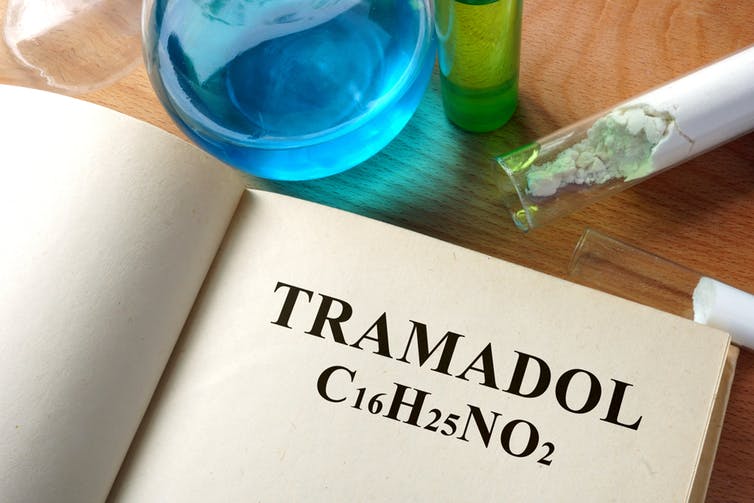
Tramadol, which does not occur in nature, was first synthesised in 1962 by chemists at the German pharmaceutical company Grünenthal as a painkiller. The company became notorious 50 years ago as the firm that marketed thalidomide, which when taken by pregnant women as a sedative and treatment for “morning sickness” led to the birth of thousands of children with malformed or missing limbs. Tramadol is an entirely different drug but there is a real possibility of taking a lethal overdose.

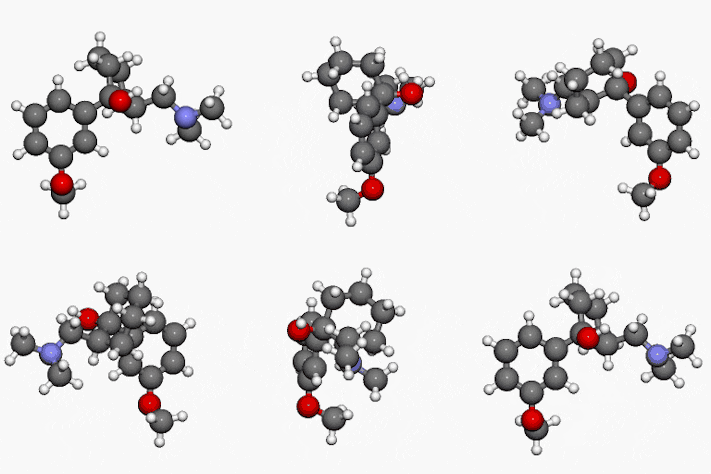
Tramadol.
Fuse809 via Wikimedia Commons

Patents were taken out on tramadol in 1972 and it was brought to market in 1977. The drug is recognised as a painkiller with a potency around 10% that of morphine and it is used to treat moderate to severe acute and chronic pain. Like morphine, it works by binding to the mu-opioid receptor found in the brain and in other regions of the body, stopping pain messages from getting through. It inhibits re-uptake of the neurotransmitter messenger molecules norepinephrine (noradrenalin) and serotonin and also has antidepressant and anti-anxiety properties.

In the body, tramadol is metabolised into a number of different molecules, the most important of which is O-desmethyltramadol; this binds much more strongly to the mu-opioid receptor than tramadol does, making it more potent than the parent compound. So tramadol is really a pro-drug, a molecule that is converted by the body’s metabolism into the pharmacologically active drug.

Widespread use

Perhaps not surprisingly, tramadol has reared its head in sport. After he retired in 2012, the professional cyclist Michael Barry wrote in his autobiography, Shadows on the Road, that he’d used tramadol while cycling in the Sky team. He took tramadol (which after all is a legal painkiller in most countries) when he broke his ribs in a crash. He said that it alleviated the pain, made him feel “slightly euphoric” and reckoned that he could push harder than usual when on it.

Because of concerns about the use and abuse of painkillers in sport there have been calls for WADA, the World Anti-Doping Agency, to prohibit the use of tramadol (like many steroids, EPO, amphetamines and other stimulants) and put it on its prohibited list, but currently it remains on their list of medications whose use is monitored, such as caffeine, nicotine, codeine and certain others. A research programme is being run to see if tramadol confers advantages upon sportsmen.

Painkiller abuse and addiction is a major problem in the US, where events have moved on from the days when heroin was the drug of choice that killed rock stars such as Jim Morrison and Janis Joplin. Now, it is prescription painkillers, such as oxycodone (in its formulation as OxyContin, “hillbilly heroin”) and fentanyl (which killed Prince) which are proving lethal in the wrong hands.

Prescription painkillers, such as tramadol and fentanyl (which killed Prince), are a growing problem in the wrong hands.
Shutterstock

Tramadol’s first 20 years on sale were unspectacular and it was not until around the time that it was introduced onto the US market in the 1990s that addiction started to be a problem. This has now spread to the Far East, including China, as well as much of Africa.

It is widely abused in Cameroon, for example, where it is even fed to cattle to enable them to plough in the hottest weather.

Because of this consumption by humans and animals, excreted tramadol (and its metabolites) can be present in soil in some parts of the Cameroon so that it is taken up by plants. At one stage, this led scientists to believe that it occurred naturally in the pincushion tree – although it has subsequently been shown that plants are incapable of producing it.

The Egyptian problem

Egypt has a particular problem with tramadol. It is a prescription drug in the UK and a Schedule IV controlled substance in the US, but in Egypt, any opioid, including tramadol and codeine, is a controlled substance. Consequently, bringing it into the country without prior permission, especially in large quantities (Laura Plummer had 290 tablets), will land you in trouble. The Egyptian authorities have come down hard on people in possession of significant amounts of tramadol, and the courts dish out stiff punishments – possibly even the death penalty.

Gaza has a particular tramadol problem.
Shutterstock

Nevertheless, tramadol is popular in Egypt and is misused widely. Indeed, besides it being a recreational drug, many people – especially from the poor working class – take tramadol to give them more energy, to work for longer or to hold down two jobs.

It has been a particularly serious problem in places such as Gaza, where addiction has led to an illegal trade in tramadol, often smuggled in through underground tunnels. This has led the government to take a particularly hard line on it.

The ConversationSo if you are going to take drugs abroad, even your own medications, you should check carefully how they are viewed at your destination. A legal drug in one country could lead to a very long prison sentence – or even worse – in another.

Simon Cotton, Senior Lecturer in Chemistry, University of Birmingham

This article was originally published on The Conversation. Read the original article.

Counselling doesn’t work in the long term

Dmytro Zinkevych/Shutterstock

Robin Bailey, University of Central Lancashire

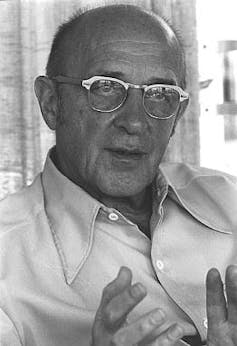
Person-centred counselling is one of the most popular treatments for mental health problems. Often just shortened to “counselling”, the approach focuses on how patients view themselves in the here and now, rather than how a therapist interprets their unconscious thoughts. And the patient takes the lead in finding solutions to their own problems. This “humanistic” form of therapy was developed by Carl Rogers in the 1940s and is now one of three main mental health treatments, alongside cognitive behavioural therapy (CBT) and psychodynamic therapy. However, despite its popularity and longevity, counselling doesn’t appear to make people better in the long term.

Mental health issues are a huge global problem. The World Health Organisation estimates that between 35% and 50% of people in developed countries suffer from anxiety or depression in any given year. And the cost of treating these conditions is enormous – about £1.6 trillion – so knowing what works and what doesn’t is critical.

Mounting evidence

In 2003, a review of clinical trials showed that counselling provides short-term, modest improvements in reducing anxiety and depression, compared with “usual care” (routine visits to a GP, CBT and antidepressant drugs), but no long-term improvements.

A more recent review, by the highly respected Cochrane organisation, investigated whether counselling was effective for mental health and “psychosocial” problems or “problems in living”. The analysis of nine trials showed that counselling was more effective than routine visits to the GP, in the short term (one to six months). In the long term (seven to 36 months), though, it was no longer as effective. Counselling also failed to have an impact on patients’ short or long-term social functioning, such as work, leisure activities and family relationships.

The authors of the review also looked at cost effectiveness. They found that counselling did not reduce overall health costs, and, in some instances, may have increased them.

Carl Rogers, the father of counselling.
Wikimedia Commons

The biggest randomised trial of its kind to date (755 participants) recently compared acupuncture with counselling in the treatment of depression. Consistent with previous findings, both counselling and acupuncture showed small to moderate levels of effectiveness compared with usual care, up to six months after treatment. But the effects of both treatments were no better than usual care at seven months and beyond. This finding calls into question the long-term benefits that these two treatments offer above and beyond just visiting a doctor.

The picture is the same for younger age groups. School children who received counselling for psychological distress fared better at six weeks than those on a waiting list for treatment. But at 12 weeks there was no real difference between the groups.

Back to the drawing board

Often researchers and practitioners of counselling argue that randomised control trials are too rigid and don’t truly reflect what happens in counselling practice. But a study that evaluated data from UK counselling services, found that, in a sample of 26,527 people with depression, 53% did not make any reliable and clinically significant improvement in their symptoms after receiving a course of counselling. Unfortunately, no follow up data exists on whether the minority who improved, benefited in the long term.

Based on the best evidence available, it appears that counselling is only a short-term strategy for tackling mental health issues. After nearly 80 years, only a small number of empirically robust studies exist, and findings indicate that long-term effectiveness is no better than a non-mental health based intervention, such as seeing a GP.

This brings into question the cost effectiveness of this approach. If no long-term gains are made, we end up with a revolving door syndrome where patients repeatedly relapse and have to have more rounds of treatment. Not only does this drain healthcare resources, it also diminishes patient hope.

As counselling has no impact on social functioning, such as work and family relationships, it has wider personal and economic implications for patients and services.

For any form of therapy to be effective in the long term, it must have a robust and well-supported theory on which to base its treatment. Counselling works on the premise that the therapist must provide key conditions for a patient to achieve personality change, in particular: empathy, genuineness and unconditional acceptance. Unfortunately, the theory also lacks sound evidence and benefits of some of these traits, such as empathy, have been called into question.

The ConversationFor counselling to help those suffering from mental health issues, its advocates will need to revisit the underlying theory. In the mean time, mental healthcare resources should be reallocated to therapies that have been proven to be effective in the long term, such as CBT.

Robin Bailey, Seniour Lecturer in Psychological Therapies, University of Central Lancashire

This article was originally published on The Conversation. Read the original article.

Sleeping on your back increases risks of stillbirth

Research reveals two strategies women can use to lower the risks of stillbirth: counting kicks, and sleeping on their left side.
(Shutterstock)

Amanda Ross-White, Queen’s University, Ontario

Pregnancy and Infant Loss Awareness day on Oct. 15, 2017 draws our attention to a bleak statistic — an estimated one in four pregnancies end in a loss. Many of these are early miscarriages. But in Canada about one in 125 pregnancies end in a stillbirth — that is, the death of a fetus in utero after 20 weeks gestation.

Countries such as Korea and Finland have much lower rates of stillbirth, so we know that there is more we can do to prevent it. There is research on the risk factors that increase the chances of a stillbirth. Yet many pregnancy guides do not give enough information about stillbirth, in the belief that women do not want to be frightened about pregnancy loss.

Information about how to prevent stillbirth needs to get into the hands of women who need it, even if it leads to an uncomfortable conversation. As a medical librarian, my job is to connect people to trusted information about their health. When dealing with a taboo topic, such as stillbirth, this is even more challenging as both health care providers and women might be afraid of increasing anxiety, rather than improving health.

We also want to ensure that women who have had a stillbirth in the past and may have slept on their back do not feel guilt over doing so. I know, because I myself have had a stillbirth. With the passage of time, I cannot honestly answer how I might have slept that night when my twins died, but it is still something that worries me.

While some risk factors are not things most pregnant women can change, there are two very simple things women can do, to lower the odds.

1. Count the kicks

There are two methods described in the medical literature about how to count your baby’s kicks: the Sadovsky method and the Cardiff method. In the Cardiff method, you count 10 movements and record how much time it takes for you to reach 10. In the Sadovsky method, you are asked to count how many movements you feel within a specific time frame, usually 30 minutes to two hours. In either case, the most important consideration is that you should be aware of your baby’s normal movements.

Any decrease in fetal movement should prompt a phone call or visit to your health care provider immediately. We don’t shame people for seeking medical advice when they have chest pains. Reduced fetal movements are similar to chest pains — a warning sign that something could be wrong. See your doctor or midwife and don’t delay or feel guilty for taking up their time!

2. Don’t sleep on your back

At last month’s International Stillbirth Alliance conference, several researchers presented information to show that back sleeping increased the risk of stillbirth.

In the first study, researchers in New Zealand put 10 pregnant women who were otherwise healthy into MRI scanners, to see if they could see changes in blood flow when they were lying on their backs or on their left side. They found that cardiac output (how efficiently the heart pumps blood) was the same in both positions.

However the blood flow and diameter of the inferior vena cava were reduced when lying on their backs. This affects how blood flows back to the heart from the body. The researchers speculate that this might contribute to stillbirths in some instances.

The second study, also from New Zealand, placed 30 pregnant women in a sleep lab. They monitored their breathing and position throughout the night to see if there was a relationship between lying on their backs and measured breathing. While none of the women met the criteria for sleep apnea, they didn’t breathe in as deeply when they were lying on their backs.

Lastly, researchers in the UK interviewed over 1000 women about their sleep practices before pregnancy, during pregnancy and the night before their stillbirth (for those who had suffered one) or the interview (for women who had not suffered one). The women who had gone to sleep on their backs while pregnant were twice as likely to have had a stillbirth then women who had gone to sleep on their left side.

All of this was a follow up to earlier research which had proposed the same hypothesis, that sleeping on your back increased the risk.

Women need accurate health information

Delivering timely information to prevent stillbirth is important, and withholding information out of a fear you’ll frighten women is patronising at best and potentially dangerous at worst.

What’s more, witholding information does little in an era where most people can get online and are not always equipped to evaluate what information is useful and how to put it into context. Health care providers can do more to partner with librarians on delivering evidence-based information to their patients. This is certainly true with information about pregnancy, but also in many areas of health where the information that needs to be delivered is complex, and requires more time to be evaluated than is available to most doctors.

The ConversationWomen deserve better communication about their health and the health of their babies when pregnant. While counting kicks and sleeping on your left side aren’t a guarantee that you’ll have a safe and healthy pregnancy, they are easy, low cost ways to reduce the risk.


Amanda Ross-White, Health Sciences Librarian, Nursing and Information Scientist, Queen’s University, Ontario

This article was originally published on The Conversation. Read the original article.

Dissociative identity disorder exists and is the result of childhood trauma

Dissociative identity disorder is a serious and valid mental illness.
Irudayam/Flickr, CC BY

Michael Salter, Western Sydney University; Martin Dorahy, and Warwick Middleton, The University of Queensland

Once known as multiple personality disorder, dissociative identity disorder remains one of the most intriguing but poorly understood mental illnesses. Research and clinical experience indicate people diagnosed with the condition have been victims of sexual abuse or other forms of criminal mistreatment.

But a vocal group of academics and health professionals have claimed dissociative identity disorder, and reports of trauma associated with it, are created by therapists and the media. They say these don’t reflect genuine symptoms or accurate memories.

Media references to dissociative identity disorder are also often highly stigmatising. The recent movie Split depicted a person with the condition as a psychopathic murderer. Even supposedly factual reporting can present people with dissociative identity disorder as untrustworthy and prone to wild fantasies and false memories.

But research hasn’t found people with the disorder are more prone to “false memories” than others. And brain imaging studies show significant differences in brain activity between people with dissociative identity disorder and other groups, including those who have been trained to mimic the disorder.

What is it?

Dissociative identity disorder has been studied by doctors and scientists for well over 100 years. In 1980, it was called multiple personality disorder in the Diagnostic and Statistical Manual of Mental Disorders (DSM), which outlines the symptoms of psychiatric conditions. Its name was changed in the 1994 edition of the DSM.


Read more: What is the DSM and how are mental disorders diagnosed?


Dissociative identity disorder comes about when a child’s psychological development is disrupted by early repetitive trauma that prevents the normal processes of consolidating a core sense of identity. Reports of childhood trauma in people with dissociative identity disorder (that have been substantiated) include burning, mutilation and exploitation. Sexual abuse is also routinely reported, alongside emotional abuse and neglect.

In response to overwhelming trauma, the child develops multiple, often conflicting, states or identities. These mirror the radical contradictions in their early attachments and social and family environments – for instance, a parent who swings unpredictably between aggression and care.

According to the DSM-5, the major characteristic of dissociative identity disorder is a disruption of identity, in which a person experiences two or more distinct personality states (or, in other cultures, experiences of so-called possession).

These states display marked differences in a person’s behaviour, recollections and opinions, and ways of engaging with the world and other people. The person frequently experiences gaps in memory or difficulties recalling events that occurred while they were in other personality states.

The manifestations of these symptoms are subtle and well concealed for most patients. However, overt symptoms tend to surface during times of stress, re-traumatisation or loss.

Media references to dissociative identity disorder, like the lead character in the movie Split, are often highly stigmatising.
Blinding Edge Pictures Blumhouse Productions Dentsu (in association with) Fuji Eight Company Ltd/IMDb

People with the condition typically have a number of other problems. These include depression, self-harm, anxiety, suicidal thoughts, and increased susceptibility to physical illness. They frequently have difficulties engaging in daily life, including employment and interactions with family.

This is, perhaps, unsurprising, given people with dissociative identity disorder have experienced more trauma than any other group of patients with psychiatric difficulties.

Dissociative identity disorder is a relatively common psychiatric disorder. Research in multiple countries has found it occurs in around 1% of the general population, and in up to one fifth of patients in inpatient and outpatient treatment programs.

Trauma and dissociation

The link between severe early trauma and dissociative identity has been controversial. Some clinicians have proposed dissociative identity disorder is the result of fantasy and suggestibility rather than abuse and trauma. But the causal relationship between trauma and dissociation (alterations of identity and memory) has been repeatedly shown in a range of studies using different methodologies across cultures.

People with dissociative identity disorder are generally unresponsive to (and may deteriorate under) standard treatment. This may include cognitive behavioural treatment, or exposure therapy for post-traumatic stress disorder.


Read more:


Phase-orientated treatment has been shown to improve dissociative identity disorder. This involves stages (or phases) of treatment, from an initial focus on safety and stabilisation, through to containment and processing of trauma memories and feelings, to the final phase of integration and rehabilitation. The goal of treatment is for the person to move towards better engaging in life without debilitating symptoms.

An international study that followed 280 patients with dissociative identity disorder (or a variant of it, which is a dissociative disorder not otherwise specified) and 292 therapists over time, found this approach was associated with improvements across a number of psychological and social functioning areas. Patients and therapists reported reduction in dissociation, general distress, depression, self-harm and suicidal thoughts.

Controversies and debates

Critics have pointed to poor therapeutic practice causing dissociative symptoms as well as false memories and false allegations of abuse. Some are particularly concerned therapists are focused on recovering memories, or encouraging patients to speculate that they have been abused.

However, a contemporary survey of clinical practice among specialists of dissociative identity found those treating the disorder weren’t focused on retrieving memories at any phase of the treatment.

A recent literature analysis concluded that criticisms of dissociative identity disorder treatment are based on inaccurate assumptions about clinical practice, misunderstandings of symptoms, and an over-reliance on anecdotes and unfounded claims.

Dissociative identity disorder treatment is frequently unavailable in the public health system. This means people with the condition remain at high risk of ongoing illness, disability and re-victimisation.

The underlying cause of the disorder, which is severe trauma, has been largely overlooked, with little discussion of the prevention or early identification of extreme abuse. Future research should not only address treatment outcomes, but also focus on public policy around prevention and detection of extreme trauma.


The ConversationIf this article has raised concerns for you or anyone you know, call Lifeline 13 11 14, Suicide Call Back Service 1300 659 467 or Kids Helpline 1800 55 1800.

Michael Salter, Senior Lecturer in Criminology, Western Sydney University; Martin Dorahy, Professor of Clinical Psychology, and Warwick Middleton, Adjunct Professor, The University of Queensland

This article was originally published on The Conversation. Read the original article.