How live liver transplants could save thousands of lives

Jarrius Robertson, a liver transplant survivor, runs the football at the Jan. 27, 2018 Pro Bowl practice in Kissimmee, Florida.
AP Photo/Gregory Payan

Abhi Humar, University of Pittsburgh

The success of liver transplantation represents one of the great miracles of modern medicine. Essentially an experimental procedure 35 years ago, it now represents the only definitive method to cure most patients with end-stage liver failure.

The major problem with liver transplantation now is not rejection or infections but rather that there are not enough livers for all the people who need them. Over 14,000 people are waiting for a liver transplant in the United States, but only about 8,000 transplants are done annually. The average waiting time for most patients measures in years – if they receive one at all. One in five patients dies on the waiting list, a number that could be significantly decreased with liver donations from living donors.

I am the clinical director of the Starzl Transplant Institute, named for University of Pittsburgh surgeon and professor Thomas Starzl, who pioneered liver transplantation. I have been involved in transplantation for over 20 years and have been witness to many advances in the field, including the development of live donor liver transplants, that have ultimately allowed thousands of lives to be saved. The medical community could perform a lot more liver transplants in the U.S. if we followed the lead of using livers from live donors, as do many countries.

A vital organ, a scarce resource

More than a hundred different things can lead to liver failure, which can occur at any age, even in newborns. Viral hepatitis, autoimmune disorders, fatty liver disease and alcohol use are just some of them.
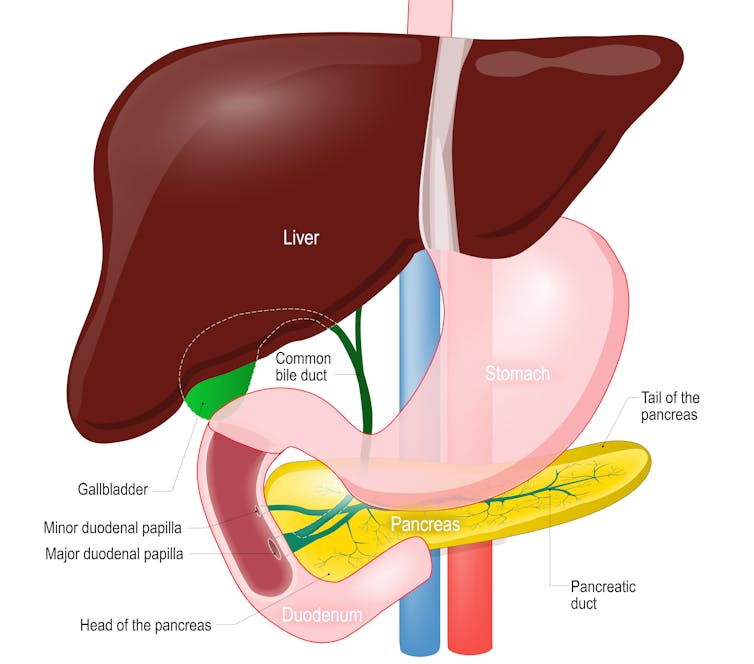
The liver is a large organ involved in the body’s metabolic processes.
Designua/Shutterstock.com

Regardless of the cause, in almost all circumstances, a liver transplant can be lifesaving. But the number of patients who need a transplant exceeds the number of available livers from deceased donors. This has resulted in a long wait time for most patients. Many die while waiting.

There are two other problems with having a long waiting list. First, patients must get very sick to reach the top of the waiting list; being very sick is what determines priority on the list. This is not the ideal time to perform a difficult operation, as the patient may be in a debilitated state and have a more difficult, prolonged recovery time. A better strategy would be to perform the transplant when the patient is less ill.

Second, because the organ is a limited resource, only patients with the best potential outcomes are eligible to receive a liver transplant. That means that many patients who could derive a significant survival benefit from liver transplantation are not even placed on a waiting list, as the possibility of getting a transplant from a deceased donor is too low.

A major step forward

While most livers for transplant in the U.S. come from deceased donors, a major advance has occurred in recent years. It now is possible for a surgeon to take a portion of a liver from an otherwise healthy individual and use that for transplant. The procedure started first in children, with the first U.S. transplant in 1989. It then expanded for use in adults by 1996. The availability of a living donor obviates the need for someone to wait, and, therefore, potentially limits the likelihood a person will die while waiting for a liver.

Live liver transplantation allows patients to receive a transplant from a living donor as soon as they are deemed ready for a transplant. This is often a point sooner in the disease process, when they are healthier and better able to tolerate the procedure. This leads to a quicker and less complicated recovery. Additionally, patients who are not eligible for a transplant from a deceased donor can still receive a transplant from a living donor if there is a survival benefit.

Widely used in other countries, but not US

Despite the advantages, living donor liver transplants in the U.S. account for less than 5 percent of all liver transplants. In other countries, such as Korea, Japan and India, living donor liver transplants account for almost 90 percent of liver transplants.

The main reason for the underutilization is a lack of awareness of the procedure, both by patients and the health care community. At UPMC, we strongly believe in the ability of living donor liver transplant to be a lifesaving procedure and offer this as a first-line option to all our patients in need of a liver transplant.

We perform the most living donor liver transplants in the country, and for the first time ever, in 2017, performed more transplants from living than deceased donors.

The surgical procedure involves removing a certain portion of a healthy person’s liver (25 percent if the recipient is a child, 40 to 60 percent for adult recipients). This is possible in the liver because of two special properties. First, redundancy is built into our livers, such that only 25 to 30 percent of a normal liver is needed to maintain liver function. Second, the liver has the unique ability to regenerate and regrow to its original size, usually in about eight to 10 weeks.

Proper donor selection is a critical step. Essentially, anyone who is healthy and has a normal liver can potentially be a donor. While potential donors are often related to the recipient, this is not a requirement. Even a stranger can be a donor, so long as he or she is healthy and between 18 and 55.

Our program requires that donors undergo a strict medical and psychosocial evaluation to see if they qualify. A key component is to make sure that the donation is completely voluntary, and that the donor is not being coerced.

Risks to know about

While a living donor liver transplant has many advantages, there are also some disadvantages. The main one is the risk to the donor, who does not benefit physically from the surgery and who faces some risk from surgery. The risk of donor mortality is low, in the range of 0.2 percent. Of over 6,000 procedures done in the U.S. over the last 25 years, six early donor deaths have been reported.

The risk for a complication in the donor after surgery is about 30 percent, though many of the complications are minor. The risk of a major complication, or anything that requires another intervention to fix or has long-term consequences, is closer to 10 percent.

Kidney transplantation from a living donor has been widely accepted for over 50 years. While the risks to the kidney donor versus the liver donor are fewer, they are not zero.

Nonetheless, liver donation represents major surgery, a fact that should be made clear to all donors. Most donors are in the hospital for about five to seven days after surgery and back to their pre-donation health status in about three months.
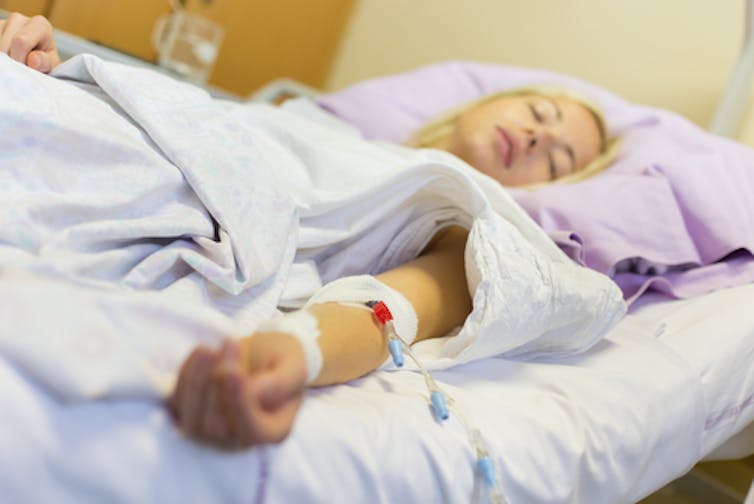
Liver transplantation surgery is major surgery, and donors need to know the risks. They are typically in the hospital for several days after surgery.
Matij Kastelic/Shutterstock.com

For the recipient, the surgical procedure is similar to a transplant from a deceased donor, though with some technical differences. Since only a portion of the liver is transplanted, the surgical aspects of the procedure, including the blood vessel and bile duct connections, tend to be more technically challenging. As a result, the literature generally reports a higher incidence of vascular and biliary complications with live versus deceased donor liver transplants.

Our own data at UPMC, however, show no major differences in technical complications between the two types of transplants. Other outcome measures, such as length of stay in the hospital, time to full recovery and survival at one year post-transplant, are all better with live donor transplants. In large part, this is because patients receiving a living donor transplant are healthier going into the surgery.

The ConversationThe bottom line is that living donor liver transplant represents a lifesaving option for all patients with liver failure, offering numerous advantages over the option of waiting for a deceased donor. In my view, all patients in need of a liver transplant should be made aware of this procedure and, in almost every case, be offered a transplant from a live donor as the first option. With this change, many more lives could be saved every year.

Abhi Humar, Chief, Transplantation Surgery, University of Pittsburgh

This article was originally published on The Conversation. Read the original article.

‘Suicide tourism’ and understanding the Swiss model of the right to die

Australian scientist David Goodall attends a press conference flanked by Exit International  (/ AFP PHOTO / SEBASTIEN BOZON)

Samuel Blouin, Université de Montréal

Two weeks ago, the 104-year-old Australian scientist David Goodall flew from his home in Western Australia to Switzerland to access assisted suicide with the help of lifecircle and Exit International, two right-to-die societies.

Goodall was part of a broader but marginal phenomenon sometimes referred to as “suicide tourism.” This occurs when a person travels to Switzerland in order to access an assisted death, because this is forbidden or access criteria are more restrictive in their home country.

His story made headlines all around the world and fuelled public debates. Yet the media coverage has not promoted a greater understanding of the Swiss model of assistance in dying.

Cases of “suicide tourism” presented in the media typically say little about the functioning of the Swiss model. Instead, the coverage of “suicide tourism” speaks more to the state of the public debate in a given country on assistance in dying.

However, Switzerland is not only the final destination in the journey of a person towards death. It is also the starting point of recurrent public debates in the countries of origin of those foreign nationals seeking an assisted death in Switzerland.

The fact that citizens of one country make the decision to die in another country, far from their home and family, has a powerful effect on the public. It provides convincing evidence of determination and suffering. It also shows that other possibilities for regulating assistance in dying exist.

I have been carrying out research for the last three years comparing Canada and Switzerland, more specifically the province of Québec and the canton de Vaud, Switzerland. While I look at public policies, the main focus of my preliminary findings examine the meanings and experiences of those involved in assisted dying practices.

Medical assistance in dying

Some people undertaking this journey are conscious of the public appeal of their decisions, as shown by the news conference held by Goodall on May 9, 2018, before his death in Basel. Some, like Goodall, participate in a movement of older right-to-die activists advocating for “old age rational suicide.” For others, suffering related to a medical condition is the main motivation.

Switzerland sometimes shows up in the national conversation on assisted dying in Canadian news stories. The most well-known occurrence was the story of Kay Carter, suffering from spinal stenosis, who died in Switzerland with the help of Dignitas, a Swiss right-to-die society.

Assisted dying was not yet legal in Canada. Following years of legal challenges in which Carter was one of the plaintiffs, her name is now attached to the Supreme Court of Canada decision that decriminalized medical assistance in dying (MAiD) in Canada in 2015.

Lee Carter, daughter of Kay Carter, speaks at a press conference on doctor-assisted death legislation, Bill C-14, while her brother, Price Carter, listens on Parliament Hill in Ottawa on April 21, 2016.
THE CANADIAN PRESS/ Patrick Doyle

In Québec, the 2004 documentary Manon: Le dernier droit? follows Manon Brunelle, a woman suffering from multiple sclerosis who left Canada to die with Dignitas in Switzerland. This film sparked a public conversation.

The legalisation of MAiD in Canada did not bring an end to so-called “suicide tourism” by Canadians. According to Dignitas’ statistics, 60 Canadians used its service between 1998 and 2017, including 12 in 2017.

Assisted dying as an act of citizenship

Under the radar of international controversies, other Swiss right-to-die societies have developed practices that tend to go unnoticed.

Dignitas, which is only one out of eight Swiss right-to-die societies, garners most of the attention as it is perceived as the most controversial. The founder, Ludwig Minelli, is currently being prosecuted for making a personal profit out of three assisted suicides, which is prohibited by the Swiss Criminal Code. These charges have not yet been proven in court.

In Switzerland, assisted suicide has been tolerated since 1942 provided that the person assisting has no selfish motive. Moreover, the person requesting such assistance must self-administer the lethal drug and must have decision-making capacity.

Compared to the comprehensive Canadian federal and provincial laws on MAiD, Swiss regulation and safeguards can be perceived as lacking. However, this misses the meaning of assisted suicide in Switzerland.

Unlike in Canada, assisted suicide is an act of citizenship in Switzerland, not a health-care intervention. Switzerland proposes a much less medicalized approach to assisted dying.

Swiss guidelines

The Swiss model rests mostly on ethical guidelines drawn up by various health-care organizations and on the rules decided by right-to-die associations.

For example, the nonprofit EXIT association active in the French-speaking region of Switzerland has more than 26,000 members who all have a vote at the annual general meeting. To become a member, a person must pay an annual fee of US$40 (equivalent to 40 Swiss Francs), be over 20 years old and also be a Swiss resident. The association provides assistance in suicide, free of charge, to its members. Nonresidents and minors are thus inadmissible.

Besides the legal requirements, the association has its own criteria according to which volunteers can help a member die. These criteria include:

» Suffering from an incurable disease or from an important invalidity or experiencing intolerable suffering.

» Or suffering from disabling polypathologies related to old age.

A consulting physician assesses whether or not the requester meets the criteria and, if they do, she will prescribe a lethal drug that a volunteer will bring.

Volunteers are not chosen on the basis of their professional qualifications but on their skills as accompanying persons — their capacity to demonstrate compassion and understanding.

After the death, the volunteer calls the police who will investigate the case. The public prosecutor will then decide whether or not criminal charges will be brought against the persons involved.

Dignity at the end of life

In Québec, the Act respecting end-of-life care was adopted in 2014 and entered into force in 2015. Besides creating a right to palliative care and regulating continuous palliative sedation among other things, the law legalized medical aid in dying which includes only euthanasia (administration by a doctor) and not assisted suicide (self-administration). In this context, assisted suicide was ruled out as an appropriate option because it “does not reflect the values of medical support and safety.”

The federal law legalized medical assistance in dying in 2016 and includes both euthanasia and assisted suicide.

Even though the federal legislation on MAiD allows for both euthanasia (administration by a doctor or nurse practitioner) and assisted suicide (self-administration), Canadians almost exclusively favour the first option.

According to a report published in October 2017, only five persons out of 2,149 have chosen a self-administered death. Thus, Switzerland might not be a model for Canada.

On the other hand, the comparison that I have been carrying out between Canada and Switzerland shows that assistance in dying can be considered not only as a patient’s but as a person’s decision. Just as there are non-medical options to assist birth, non-medical or less medical ways to assist death could be entertained.

The ConversationBesides the option of palliative care and other social programs, the Swiss model is an invitation to imagine and consider other societal responses to the challenges of suffering and dignity at the end of life.

Samuel Blouin, PhD Candidate in Sociology and Pierre Elliott Trudeau Foundation Scholar, Université de Montréal and Université de Lausanne, Université de Montréal

This article was originally published on The Conversation. Read the original article.

The top ten parasites that could be lurking in your food

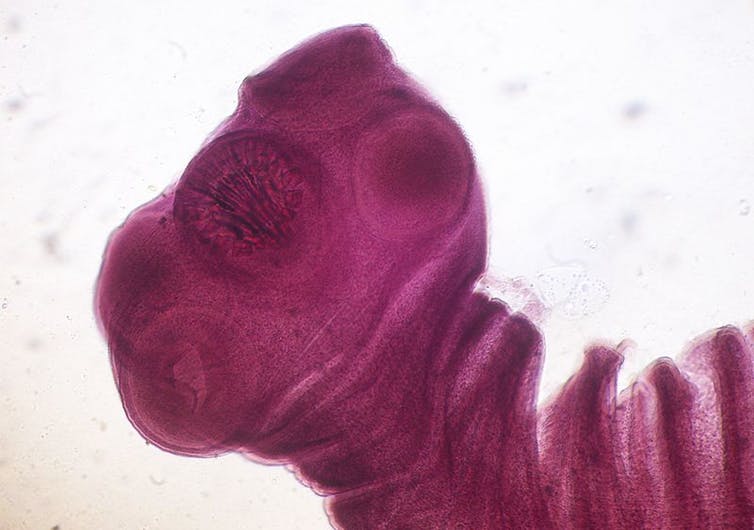
Hey! You got a friend in Taenia solium.
Roberto J. Galindo, CC BY-NC-SA

Helena Helmby, London School of Hygiene & Tropical Medicine

Most people are fascinated, and probably equally repulsed, by parasites. And it may be something you think you only need to worry about if you go on holiday somewhere exotic. However, increasing globalisation and transportation of food products across the globe means we are all increasingly at risk of catching something unwanted from our favourite foods.

Many infections can be thwarted with proper hygiene – washing fruit and vegetables, including “ready-washed” lettuce, cooking meat properly and avoiding contamination from domestic or wild animals. A joint UN/WHO report said better farming and global food trade standards could also prevent parasites entering the food chain. Experts have ranked the 24 most damaging food-borne parasites according to number of cases, global distribution and health impact. Here are the top ten:

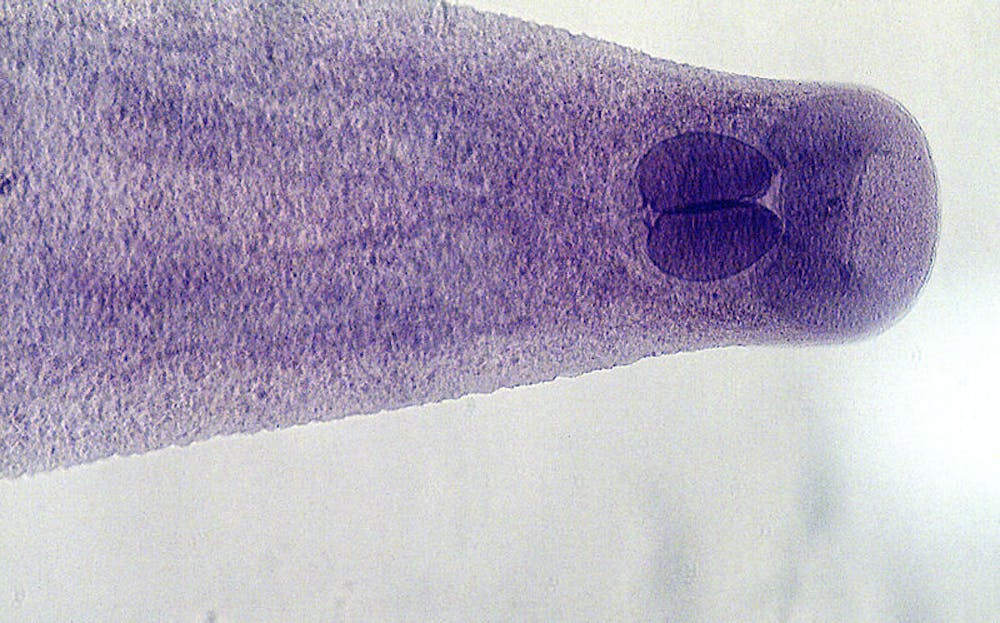
1. Taenia solium

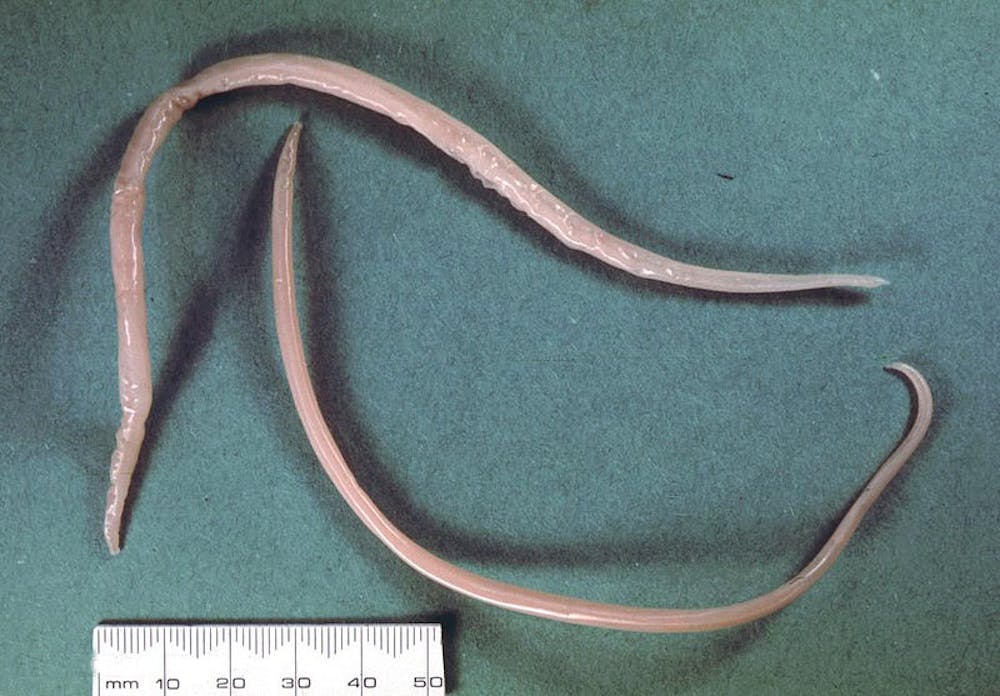
T.solium, also known as pork tapeworms, can measure up to 10m when mature and are among the biggest of these ribbon-like worms to infect humans. They do this through larval cysts in undercooked pork that hatch in the stomach and quickly grow into adult worms which inhabit the intestine, feeding on the nutrients you eat.

Disease is generally restricted to malnutrition as the worm competes with you for food – unless you ingest eggs rather than a cyst. These migrate around the body before forming larval cysts – a condition called cysticercosis – just like they do in the pigs. This can cause severe problems, particularly in the central nervous system (neurocysticercosis) where they can cause epileptic seizures. This is believed to be a main cause of epilepsy in many poorer parts of the world.

2. Echinococcus granulosus

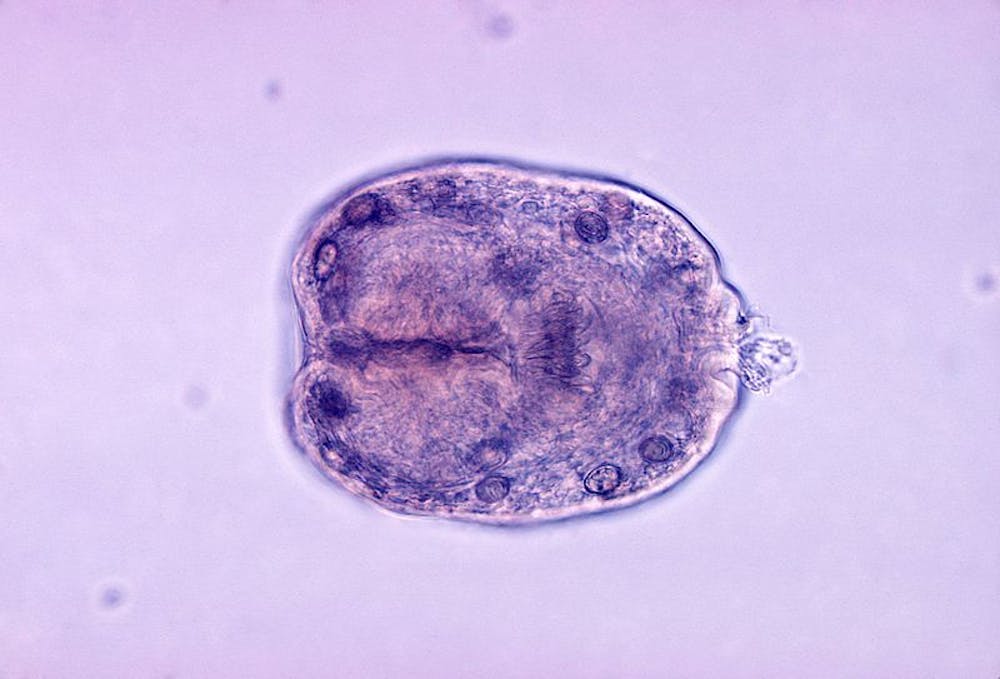
Growing up with not a care in the world.
CDC/L.L.A. Moore, Jr

Another tapeworm, but only 3-7mm long, which causes a nasty disease called cystic echinococcosis (CE). The worm has a life cycle that normally cycles between carnivores (usually dogs), and sheep or other livestock. Humans become infected through accidental ingestion of eggs from dog faeces, either through contaminated food products or from direct contact, or contaminated soil. The worm’s eggs are tough – they can remain infective for months, even in freezing temperatures.

More than a million cases of CE occur every year worldwide, mainly in areas where livestock, including camels, come in to close contact with dogs. After ingesting eggs, the parasite migrates, primarily to the liver. Slow-growing cysts form and symptoms may not be obvious until several years later. Cysts can contain several litres of fluid and are full of infectious larval stages called protoscoleces. Spontaneous rupture of the cysts can be very dangerous and lead to fatal shock.

3. Echinococcus multilocularis

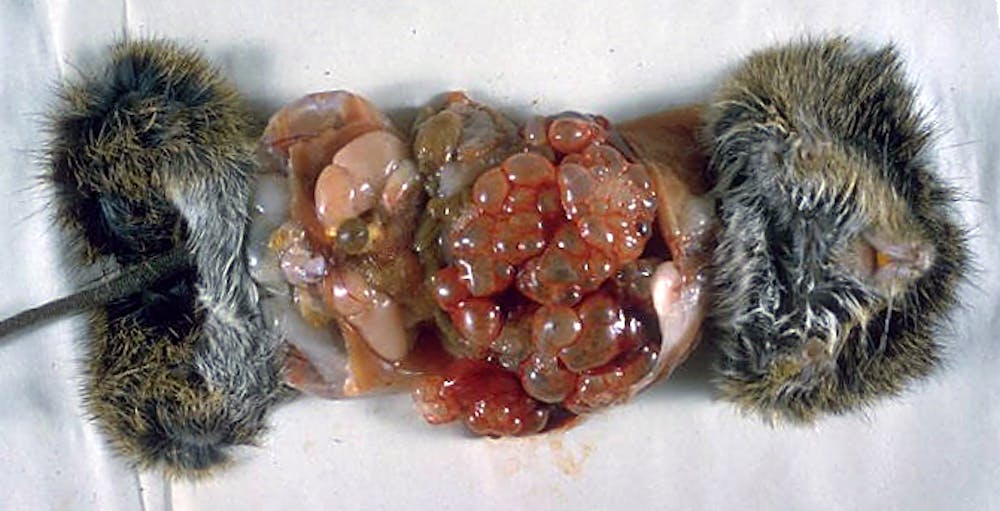
No, I encyst.
CDC/I. Kagan

Geographical distribution of this tapeworm is patchy but it’s found in both North America and Europe where prevalence is slowly increasing. Its life cycle normally involves foxes and small rodents but can happen in domestic dogs and even cats. In humans it causes a disease called alveolar echinococcosis, which forms cysts in internal organs. The cysts can reproduce and spread like tumours and be fatal if untreated. This infection is considered a risk factor for hunters who handle infected fox carcasses and people foraging for berries and mushrooms contaminated by fox faeces.

4. Toxoplasma gondii

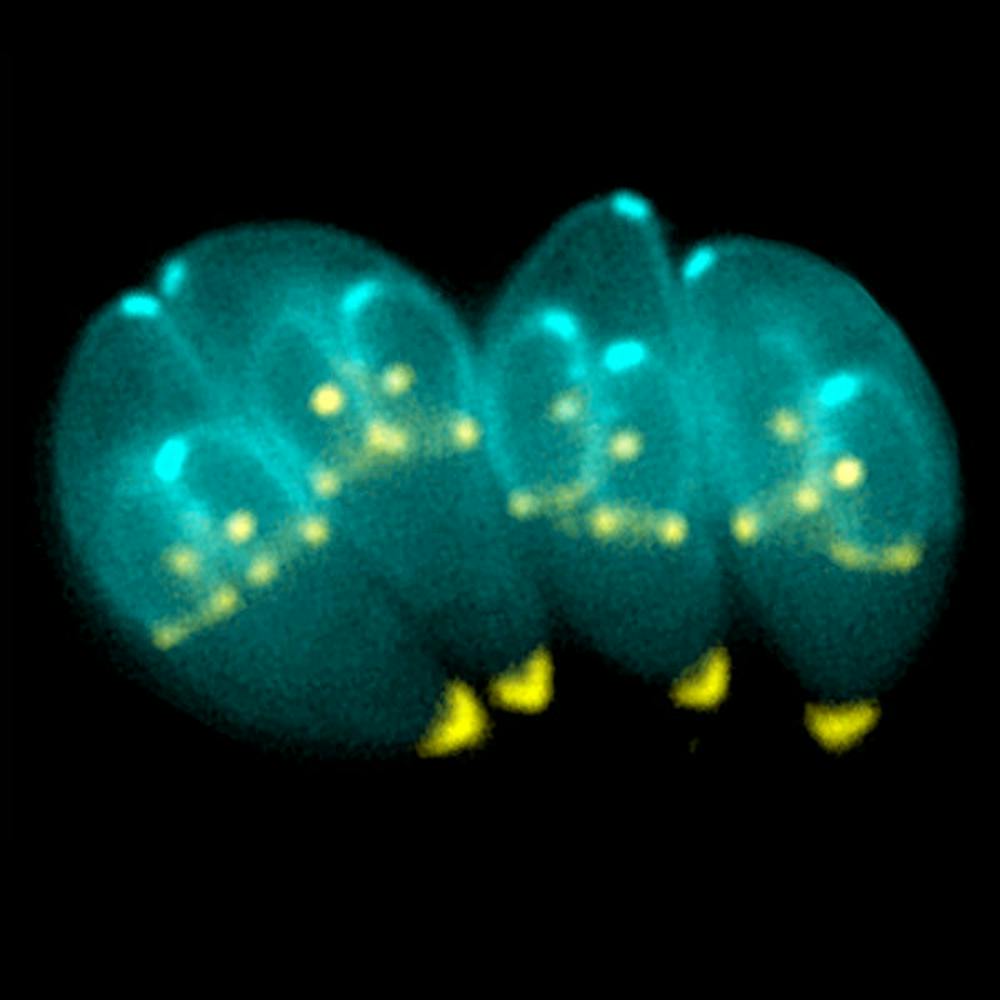
Secreted away.
Ke Hu/John Murray/PLOS

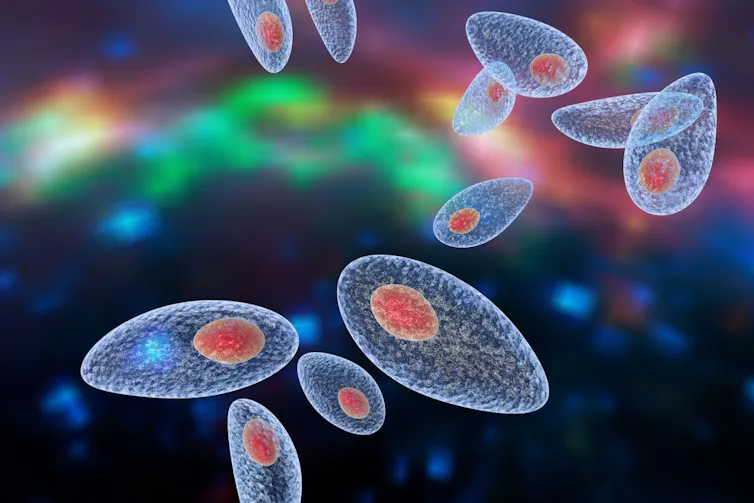
T.gondii is a single-cell parasitic animal (protozoa) that can infect practically all warm-blooded mammals, but its life cycle normally takes place between cats and rodents. T.gondii is present in most countries and is one of the most widespread protozoan parasites affecting humans. Infection rate in humans varies between 10-80% of the population in different parts of the world and the parasite usually stays dormant in the tissues for the lifetime of the host – most infected people have no symptoms and never know they’re infected.

The most serious problems arise in pregnant women because the parasite can cross the placenta and cause foetal abnormalities or even miscarriage, which is why its advisable for them to avoid cleaning cat litter. Immunosuppressed individuals, such as HIV/AIDS and organ transplant patients, are also at risk because the parasite can start multiplying uncontrollably.

5. Cryptosporidium spp.

Not the eggs you want in the morning.
Alae-eddine GATI, CC BY-SA

These protozoan parasites are mainly transmitted via contaminated water or food washed in contaminated water. Unpasteurised cider and milk, and contaminated shellfish have been implicated in several outbreaks. The parasite is present worldwide, including the UK, and infection is often caused by foecal contamination of water supplies by infected livestock. In healthy individuals the disease causes severe watery diarrhoea, which often rights itself. Thorough washing of fresh produce – including “ready washed” lettuces – is recommended.

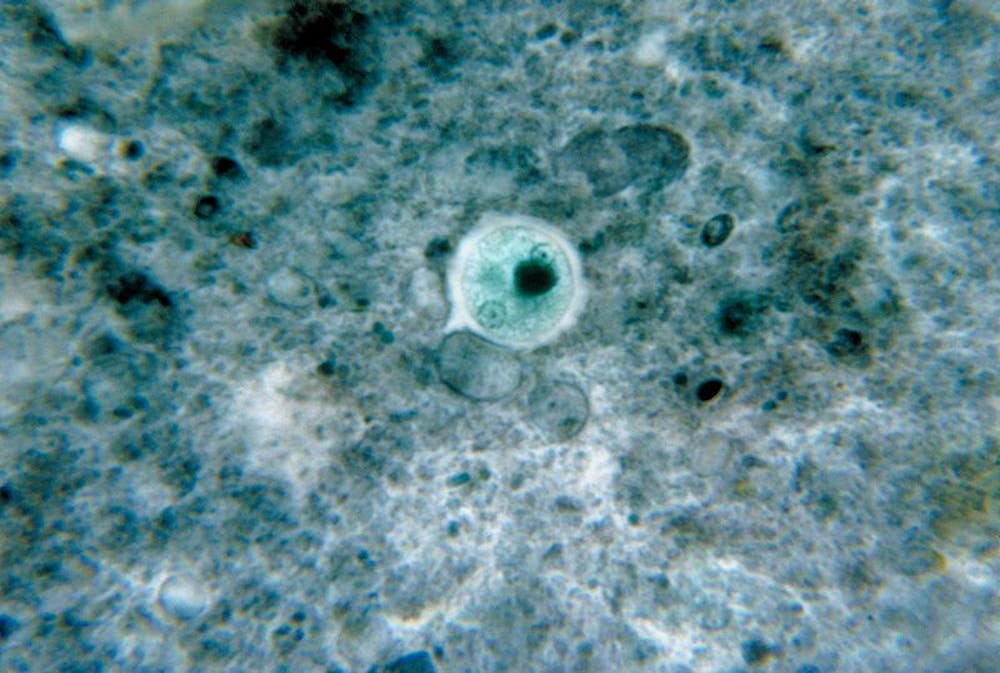
6. Entamoeba histolytica

Cyst-ematic infection.
CDC/George Healy

Another protozoan parasite that infects the digestive tract causes amoebic dysentery. The disease is characterised by bloody diarrhoea and abdominal pain that can become life threatening. More severe problems can occur if the parasite starts spreading from the intestine out into the body, causing abscesses in the liver and other organs.

7. Trichinella spiralis

Spiraling problem.
CDC

Trichinella spiralis, is an intracellular “pork roundworm” responsible for trichinellosis, a muscle infection caught from eating raw or undercooked pork, or pork products such as smoked sausages. Other sources include game such as wild boar, and even walrus. Infected meat is contaminated with cysts, invisible to the eye, that contain a small larvae. When the meat is digested, these grow into adult worms that mate and produce thousands of new larvae, which travel out into the muscle tissues where they encyst, awaiting the current host to be eaten.

8. Opisthorchiidae

Clonorchis: from the Chinese branch of the family.
Circa24, CC BY-SA

This is a family of flatworms, or flukes, mainly present in south-east Asia (though some species are also present in Europe and Russia). The infection is contracted through eating raw or undercooked freshwater fish that have themselves been snails infected with larvae. These develop into another type of larvae in fish, and when they are eaten by a mammal (such as a human) they turn into adult worms that make themselves at home in the bile duct and gall bladder. It then produces eggs that are excreted in faeces, which hatch to infect new snails when they reach a fresh water source.

Infected dogs and cats roaming freely in villages are often significant reservoirs of infection. Chronic long-term Opisthorchis infections are significantly associated with cancer of the liver and bile ducts. Freezing or cooking fish prevents infection – pickling, drying, salting or smoking fish won’t.

9. Ascaris spp.

Do not swallow.
Alan R Walker, CC BY-SA

These are the largest of the human intestinal roundworms (up to 35cm) and with 25% of the world infected, is the most common parasite in humans. After ingestion, the eggs hatch into larvae in the intestine before undergoing a remarkable migration: they travel out of the intestine via the blood to the lungs, then migrate up the airways to the throat, where they get swallowed down into the stomach and back to the intestine again, where they finally develop into adult worms.

Each female worm produces hundreds of thousands of eggs per day which are excreted in the faeces, contaminating the environment and further spreading the disease. A second species, Ascaris suum, was until recently believed to only infect pigs but is also able to infect humans. The level and symptoms of disease depends on the number of worms the individual is infected with, and intestinal blockage can happen because of the size of the worms.

10. Trypanosoma cruzi

Some flowers would do.
CDC/WHO

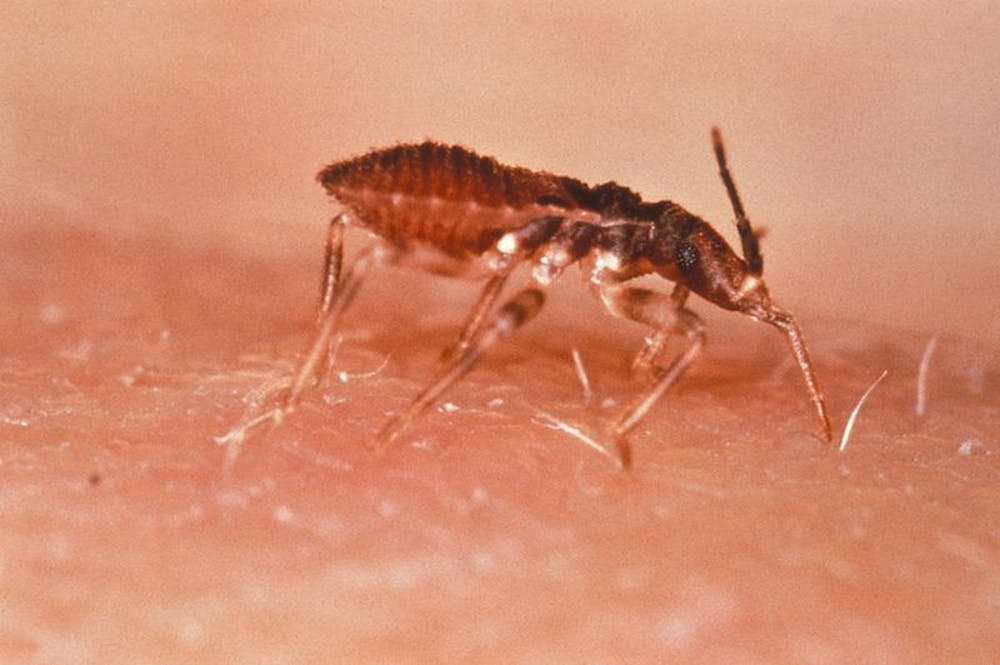
T.cruzi is a protozoan parasite which causes a disease called Chagas disease. The disease is characterised by slow progression where the parasite infects various cells and organs in the body, including the heart, over many years, often with no or only mild symptoms present. Eventually the disease manifests itself through serious, and sometime fatal, cardiac or intestinal problems.

The ConversationThe infection is normally transmitted though contact with the faeces of triatomine beetles (“kissing bugs”), which seek nightly human contact to feed on human blood. When it feeds, the beetle defecates on the host’s skin. Bug faeces are often then scratched into the bite wound. T.cruzi is on the top ten list because it was recently discovered that humans can be infected by simply ingesting foods contaminated with bug faeces – several outbreaks in recent years were caused by contaminated fruit and sugar cane juices – causing concern that it could become a global pathogen.

Helena Helmby, Senior Lecturer, London School of Hygiene & Tropical Medicine

This article was originally published on The Conversation. Read the original article.

What is listeria and how does it spread in rockmelons?

Ten cases have been reported so far, including two deaths.
Shutterstock/Doug J Moore

Vincent Ho, Western Sydney University

Two people have died after eating rockmelon (cantaloupe) contaminated with listeria. A total of ten cases have been confirmed in New South Wales, Queensland and Victoria between January 17 and February 9, and more are expected.

Listeriosis is caused by eating food contaminated with a bacterium called Listeria monocytogenes. It’s an uncommon illness but can be deadly if it causes septicaemia (blood poisoning) or meningitis (inflammation of the membranes around the brain).

The ten reported cases are among people aged over 70. The elderly are particularly susceptible to listeriosis, as are pregnant women and their fetuses, and those with weakened immune systems.

Past outbreaks have been linked with raw milk, soft cheeses, salads, unwashed raw vegetables, cold diced chicken, pre-cut fruit and fruit salad.


Read more:
Understanding the recent listeria-linked cheese recall


How does it spread?

Listeria is found widely in soil, water and vegetation, and can be carried by pets and wild animals.

A vegetable or fruit food product can become contaminated anywhere along the chain of food production: planting, harvesting, packing, distribution, preparation and serving.

Even on a farm, sources of contamination can include irrigated waters, wash waters and soil. Listeria can survive for up to 84 days in some soils.

Heavy rains on a crop can splash listeria from soils onto the surface or skin of the vegetable, especially those that grow low to the ground, such as rockmelons.


Read more:
Scary berries: how food gets contaminated and what to do


Listeria contamination can also occur in restaurants and home kitchens, where the bacterium can be found – and spread – in areas where foods are being handled.

Listeria monocytogenes is quite a hardy bacterium. It can survive at refrigerated temperatures and has adapted mechanisms to survive acidic environments such as the stomach.

What are the symptoms?

First, it’s important to note that eating foods that contain listeria bacteria won’t necessarily make you sick.

Listeria monocytogenes can survive in the body, moving between cells (human phagocytes) for a long time. This is, in part, why there can be a long “incubation period” between ingestion and onset of illness. This can be as long as 70 days but is usually around three weeks.

Symptoms include fever, muscle aches and gastrointestinal problems such as nausea, vomiting and diarrhoea.

In severe cases, symptoms can include collapse and shock, particularly if there is septicaemia. If the infection has spread to the central nervous system, more worrying symptoms will occur, such as headache, stiff neck, confusion, seizures and the person may go into a coma. In such cases, the fatality rate is as high as 30%.

In pregnant women, the bacteria are thought to cross the lining of maternal blood vessels and then enter the fetal circulation of the placenta. Infection during pregnancy can lead to miscarriage, stillbirth and newborn infections.

Treatment for confirmed infections involves antibiotics and supportive measures such as intravenous fluids for dehydration.

When infection does occur in pregnancy, the early use of antibiotics can often prevent infection of the fetus or newborn.

But even with very prompt treatment, infections can be deadly in high-risk groups.

Why are some groups at higher risk?

Pregnant women are a special group known to be at higher risk for listeriosis. The underlying mechanisms for why pregnant women are susceptible to listeriosis are not well understood but it’s thought an altered immune system is involved.


Read more:
How to keep school lunches safe in the heat


People with weakened immune systems, such as those on cancer treatment or medications that suppress the immune system, are more susceptible to developing listeriosis because their bodies are less able to fight off the bug.

Newborn babies are also extremely vulnerable as their immune systems have not yet matured, as are the elderly, whose immune systems are declining.

Tracking and finding the source

The life cycle of the bacteria can make it difficult to track the source of the outbreak. Listeria is able to contaminate a variety of foods, which may have a long shelf life, and listeriosis has a long incubation period.

All ten people in the current outbreak consumed rockmelon before they fell sick and state and territory health departments were able to pinpoint the source to a farm in the NSW Riverina district.

But it’s not always that easy. The current South African listeriosis outbreak is the worst outbreak in recorded history with 172 deaths recorded to date. The source has not yet been identified.


Read more:
How we can prevent more Listeria deaths


How can you prevent listeriosis?

Here are some practical things you can do to prevent the spread of listeria:

  • thoroughly cook raw food from animal sources, such as beef, lamb, pork and poultry
  • wash raw vegetables and fruit thoroughly before eating
  • use separate cutting boards for raw meat and foods that are ready to eat
  • wash your hands with soapy water before and after preparing food
  • wash knives and cutting boards after handling uncooked foods
  • wash your hands after handling animals.

If you are at greater risk for listeriosis, consider avoiding:

  • pre-cut melons such as rockmelon or watermelon
  • pre-packed cold salads including coleslaw and fresh fruit salad
  • pre-cooked cold chicken, cold delicatessen meats, pâté
  • raw and uncooked smoked seafood (such as smoked salmon)
  • unpasteurised milk or milk products, soft cheeses (such as brie, camembert, ricotta or blue-vein)
  • sprouted seeds
  • raw mushrooms.

The ConversationThe NSW Food Authority is also advising consumers who are most at risk of listeriosis to avoid eating rockmelon and discard any rockmelon they already have at home.

Vincent Ho, Senior Lecturer and clinical academic gastroenterologist, Western Sydney University

This article was originally published on The Conversation. Read the original article.

Genital Herpes: An irritating condition in women

By Joan Mbabazi@New Times Rwanda


Genital Herpes is such  a distressing illness in both women and men though very severe in women, it might take you quite some time to notice whether you have it but experts say having many sexual partners could be the major cause of the infection.


“Genital herpes is a common sexually transmitted disease that is caused by the herpes simplex virus, it is estimated that at least one in five adults in the world is infected with the virus though many people have no symptoms and do not realise that they are infected,”  says Dr Kenneth Ruzindana, a gynecologist at Kibagabaga Hospital.


Ruzindana explains that the symptoms of genital herpes can vary depending on whether you are having an initial or recurrent episode, however, many people infected by the disease never experience symptoms. Initially for most people, the first herpes outbreak is the most severe and symptoms tend to be harsher in women than men. The first outbreak usually occurs within a few weeks after the infection with the virus, symptoms tend to resolve within two to three weeks.


Dr Iba Mayele, a gynecologist from Clinic Galien, Kimironko says that the appearance of blister is known as an outbreak, your first outbreak will appear as early as two days after you contracted the virus or late as 30 days after.


According to World Health Organization, more than 3.7 billion people under the age of 50 or 67 per cent of the population are infected with herpes simplex virus type 1 (HSV-1) of all humans under the age of 50, although majority of infected people are not aware they are infected.


Signs


Multiple blisters in the genital area, for women the sites most frequently involved include the vagina, vulva, buttocks, anus, and the thighs, Ruzindana adds.


Iba says that the infected site often starts to itch or tingle, before the first appearance of blisters, the blister may become ulcerated (open sores) and ooze fluid a crust may appear over the sores within a week of the outbreak, you may also have headache and fever in general.


For symptoms of the babies born with genital herpes, Iba states that they can develop very severe complications, blindness, brain damage, and death; it is advisable to tell your doctor that you have genital herpes if you are pregnant so that the baby is delivered via cesarean rather than routine vaginal delivery.


Ruzindana enlightens that the first time a person has noticeable signs or symptoms of herpes may not be the initial episode, for example, it is possible to be infected for the first time, have few or no symptoms, and then have a recurrent outbreak with noticeable symptoms severe years later. For this reason, it is often difficult to determine when the initial infection occurred especially if a person has had more than one sexual partner, thus a current sexual partner may not be the source of the infection.


Iba adds that when symptoms and signs do appear, they may also include ulcers in the genital area, itching, and burning in the skin.


According to Mayo Clinic, if infected, you can be contagious even if you have no visible sores. There’s no cure for genital herpes, but medications can ease symptoms and reduce the risk of infecting others. Condoms also can help prevent the spread of a genital herpes infection.


“Having genital sores increases your risk of transmitting or contracting other sexually transmitted infections, like AIDS, in some cases, the sores associated with genital herpes can cause inflammation around the tube that delivers urine from your bladder to the outside world (urethra). The swelling can close the urethra for several days, which needs the insertion of a catheter to drain your bladder and also in rare cases the infection can lead to tenderness of the membranes and cerebrospinal fluid surrounding your brain and spinal cord,“Mayo Clinic.


Diagnosis


Iba says that the diagnosis is by the visual examination of the herpes sores and confirm their diagnostic through laboratory and a group of risk is those that have many sexual partners.


He explains that the diagnosis is usually done by identifying the skin changes in the genital area but viral cultures, genetic amplification of herpes simplex virus genome material, and other tests may be done, but there are medications to make living with genital herpes more manageable. Antiviral medications are used to decrease the severity and occurrence of genital herpes.


EXPERTS SHARE THEIR VIEWS


When you develop genital herpes, you will get painful sores, fluid-filled bumps which can break open. It is painful and can cause wounds in the genitals. In order to prevent the illness, always make it a point to use a condom and if active, use antiretroviral medication like acyclovir to reduce the risk of the transmission. If the doctor notices earlier that you are infected with the disease, he can save the baby through cesarean section.  A healthy baby is every mother’s happiness.


Dr Stephen Rulisa, an obstetrician gynecologist at University Teaching Hospital of Kigali


***************************************


There are two types of viruses that cause genital herpes that is to say, Herpes simplex viruses HSV-1,which causes sores around the mouth, it can be spread through kissing, while HSV-2, the infected person could have sores around the genitals or rectum. High sexual activity, poor hygiene, wearing tight clothes, heavy menstrual flow, heat, and poor diet can also be a cause of the infection. Prevention is through feeding on a balanced diet; reduce on stress, lower the sexual activity and visit the doctor before its too late.


Dr Francoise Gahongayire, a Senior Consultant Dermatologist at King Faisal Hospital, Kigali


***************************************


Oral herpes can spread to the genitals and vice versa. In order to prevent genital herpes, abstain from sex especially when you notice that your partner has got the virus. We do not recommend any medications for prevention at this time, but for treatment, herpes respond well to valciclovir that directly inhibit the virus.


Dr John Butonzi, an obstetrician gynecologist at Butaro cancer centre of excellence, Northern Province


Originally published @www.newtimes.co.rw

Hearing voices is more common than you might think

It’s common for elderly bereaved people to hear their deceased partner speak to them.
VVO/Shutterstock.com

John Read, University of East London

Hearing voices that other people can’t is a meaningful experience. Like dreams, they can usually be understood in terms of one’s life experiences. Within mental health services, however, the prevailing medical model means some practitioners pay attention only to their presence, not their meaning.

Psychiatry’s diagnostic bibles, the American DSM-5 and the World Health Organisation’s ICD-10, portray auditory hallucinations as symptoms of a mental disorder called schizophrenia, which most psychiatrists believe is caused by biochemical and genetic factors rather than a meaningful response to life events and circumstances. Although less than 1% of the population receive this diagnosis, international surveys, in different cultures, find that about one in eight people experience auditory hallucination at least once in their life.

I am one of those who has only heard voices once in their life (so far). The day after my friend died in a car accident, years ago, he spoke to me. Despite many years of working as a clinical psychologist to help people make sense of their voices, my first thought was: I’m going crazy. Then I realised he had just come to say goodbye, and it didn’t matter whether he really was there or I was imagining it.

There are many ways in which hearing voices varies, aside from frequency. Some people hear only bad voices. Others hear only good voices, supporting and reassuring them. Many hear both good and bad. For some the voices are of people they know. Some hear just the one voice, others hear many. For some the voices start as imaginary childhood friends and for others the first voice arrives much later in life.

A common feature, however, is that most voice hearers, when asked, ascribe meaning to their voices, and reject the notion that they are meaningless expressions of a chemical imbalance or some other supposed biological dysfunction. Perhaps the most obvious, and common, example of voices being meaningful are studies showing that most people over 60 who lose a life partner, will hear or see their partner soon after their death.

Negative voices are often related to adverse life events. Four studies of adults using mental health services found that the content of at least half of the voices of people who were physically or sexually abused as children was related to the abuse. For example, a study of the psychiatric files of incest survivors found examples of a man and woman who had suffered sexual abuse as young children who heard voices accusing them of sleazy behaviour. Other studies report examples of the voices being the abuser. One study described someone who was suffering ongoing sexual abuse by a violent relative, who heard the relative’s voice telling them to commit suicide. It is usually more helpful in these situations to ask if the person would like to talk about what happened to them rather than dismiss the voice as a meaningless symptom of brain disease.

There are countless historical examples of voices where the person hearing the voice is convinced they have meaning – Jesus and Joan of Arc among the most famous. However, the notion that voices are random expressions of a diseased brain, devoid of meaning, is a recent creation, restricted to cultures where a medical model of human distress dominates.

Joan of Arc – when hearing voices wasn’t a medical disorder.
Denis Kuvaev/Shutterstock.com

An ordinary part of life

Many cultures experience voices as completely normal. When I was living in New Zealand, a Maori colleague interviewed 80 Maori people about what causes people to hear voices. For them, it was such an ordinary part of life that the question made little sense. As one respondent put it: “For me hearing voices is like saying hello to your family in the morning, it is nothing unusual.”

An exciting development in the last two decades is the emergence, all over the world, of peer-support groups for voice hearers. The members of these groups have much to teach us mental health professionals, especially about how to listen respectfully, and search for meaning, rather than dismissing people’s experiences as symptoms of an imagined illness which has no reliability or validity and trying to suppress those experiences with psychiatric drugs.

The ConversationVoices, like dreams, sometimes carry important messages about a problem that needs addressing, such as trauma earlier in one’s life. Perhaps mental health professionals need to ask “what are the voices saying?” a bit more often, and as voice hearer Eleanor Longden explains in her TED talk, they should also ask: “What happened to you?”.
John Read, Professor of Clinical Psychology, University of East London

This article was originally published on The Conversation. Read the original article.

The concept of schizophrenia is coming to an end – here’s why

Tatiana Shepeleva/Shutterstock

Simon McCarthy-Jones, Trinity College Dublin

The concept of schizophrenia is dying. Harried for decades by psychology, it now appears to have been fatally wounded by psychiatry, the very profession that once sustained it. Its passing will not be mourned.

Today, having a diagnosis of schizophrenia is associated with a life-expectancy reduction of nearly two decades. By some criteria, only one in seven people recover. Despite heralded advances in treatments, staggeringly, the proportion of people who recover hasn’t increased over time. Something is profoundly wrong.

Part of the problem turns out to be the concept of schizophrenia itself.

Arguments that schizophrenia is a distinct disease have been “fatally undermined”. Just as we now have the concept of autism spectrum disorder, psychosis (typically characterised by distressing hallucinations, delusions, and confused thoughts) is also argued to exist along a continuum and in degrees. Schizophrenia is the severe end of a spectrum or continuum of experiences.

Jim van Os, a professor of psychiatry at Maastricht University, has argued that we cannot shift to this new way of thinking without changing our language. As such, he proposes the term schizophrenia “should be abolished”. In its place, he suggests the concept of a psychosis spectrum disorder.

Another problem is that schizophrenia is portrayed as a “hopeless chronic brain disease”. As a result, some people given this diagnosis, and some parents, have been told cancer would have been preferable, as it would be easier to cure. Yet this view of schizophrenia is only possible by excluding people who do have positive outcomes. For example, some who recover are effectively told that “it mustn’t have been schizophrenia after all”.

Schizophrenia, when understood as a discrete, hopeless and deteriorating brain disease, argues van Os, “does not exist”.

Breaking down breakdowns

Schizophrenia may instead turn out to be many different things. The eminent psychiatrist Sir Robin Murray describes how::

I expect to see the end of the concept of schizophrenia soon … the syndrome is already beginning to breakdown, for example, into those cases caused by copy number [genetic] variations, drug abuse, social adversity, etc. Presumably this process will accelerate, and the term schizophrenia will be confined to history, like “dropsy”.

Research is now exploring the different ways people may end up with many of the experiences deemed characteristic of schizophrenia: hallucinations, delusions, disorganised thinking and behaviour, apathy and flat emotion.

Indeed, one past error has been to mistake a path for the path or, more commonly, to mistake a back road for a motorway. For example, based on their work on the parasite Toxoplasma gondii, which is transmitted to humans via cats, researchers E. Fuller Torrey and Robert Yolken have argued that “the most important etiological agent [cause of schizophrenia] may turn out to be a contagious cat”. It will not.

Toxoplasma gondii – likely a cause of ‘schizophrenia’, unlikely the most important.
Kateryna Kon/Shutterstock

Evidence does suggest that exposure to Toxoplasma gondii when young can increase the odds of someone being diagnosed with schizophrenia. However, the size of this effect involves less than a twofold increase in the odds of someone being diagnosed with schizophrenia. This is, at best, comparable to other risk factors, and probably much lower.

For example, suffering childhood adversity, using cannabis, and having childhood viral infections of the central nervous system, all increase the odds of someone being diagnosed with a psychotic disorder (such as schizophrenia) by around two to threefold. More nuanced analyses reveal much higher numbers.

Compared with non-cannabis users, the daily use of high-potency, skunk-like cannabis is associated with a fivefold increase in the odds of someone developing psychosis. Compared with someone who has not suffered trauma, those who have suffered five different types of trauma (including sexual and physical abuse) see their odds of developing psychosis increase more than fiftyfold.

Smoking skunk every day increases your odds of developing a psychotic disorder fivefold.
Pe3k/Shutterstock

Other routes to “schizophrenia” are also being identified. Around 1% of cases appear to stem from the deletion of a small stretch of DNA on chromosome 22, referred to as 22q11.2 deletion syndrome. It is also possible that a low single digit percentage of people with a schizophrenia diagnosis may have their experiences grounded in inflammation of the brain caused by autoimmune disorders, such as anti-NMDA receptor encephalitis, although this remains controversial.

All the factors above could lead to similar experiences, which we in our infancy have put into a bucket called schizophrenia. One person’s experiences may result from a brain disorder with a strong genetic basis, potentially driven by an exaggeration of the normal process of pruning connections between brain cells that happens during adolescence. Another person’s experiences may be due to a complex post-traumatic reaction. Such internal and external factors could also work in combination.

Either way, it turns out that the two extreme camps in the schizophrenia wars – those who view it as a genetically-based neurodevelopmental disorder and those who view it as a response to psychosocial factors, such as adversity – both had parts of the puzzle. The idea that schizophrenia was a single thing, reached by a single route, contributed to this conflict.

Implications for treatment

Many medical conditions, such as diabetes and hypertension, can be reached by multiple routes that nevertheless impact the same biological pathways and respond to the same treatment. Schizophrenia could be like this. Indeed, it has been argued that the many different causes of schizophrenia discussed above may all have a common final effect: increased levels of dopamine.

If so, the debate about breaking schizophrenia down by factors that lead to it would be somewhat academic, as it would not guide treatment. However, there is emerging evidence that different routes to experiences currently deemed indicative of schizophrenia may need different treatments.

Preliminary evidence suggests that people with a history of childhood trauma who are diagnosed with schizophrenia are less likely to be helped by antipsychotic drugs. However, more research into this is needed and, of course, anyone taking antipsychotics should not stop taking them without medical advice. It has also been suggested that if some cases of schizophrenia are actually a form of autoimmune encephalitis, then the most effective treatment could be immunotherapy (such as corticosteroids) and plasma exchange (washing of the blood).

Not everyone diagnosed with schizophrenia is helped by antipsychotic drugs.
sylv1rob1/Shutterstock

Yet the emerging picture here is unclear. Some new interventions, such as the family-therapy based Open Dialogue approach, show promise for a wide range of people with schizophrenia diagnoses. Both general interventions and specific ones, tailored to someone’s personal route to the experiences associated with schizophrenia, may be needed. This makes it critical to test for and ask people about all potentially relevant causes. This includes childhood abuse, which is still not being routinely asked about and identified.

The potential for different treatments to work for different people further explains the schizophrenia wars. The psychiatrist, patient or family who see dramatic beneficial effects of antipsychotic drugs naturally evangelically advocate for this approach. The psychiatrist, patient or family who see drugs not working, but alternative approaches appearing to help, laud these. Each group sees the other as denying an approach that they have experienced to work. Such passionate advocacy is to be applauded, up to the point where people are denied an approach that may work for them.

What comes next?

None of this is to say the concept of schizophrenia has no use. Many psychiatrists still see it as a useful clinical syndrome that helps define a group of people with clear health needs. Here it is viewed as defining a biology that is not yet understood but which shares a common and substantial genetic basis across many patients.

Some people who receive a diagnosis of schizophrenia will find it helpful. It can help them access treatment. It can enhance support from family and friends. It can give a name to the problems they have. It can indicate they are experiencing an illness and not a personal failing. Of course, many do not find this diagnosis helpful. We need to retain the benefits and discard the negatives of the term schizophrenia, as we move into a post-schizophrenia era.

What this will look like is unclear. Japan recently renamed schizophrenia as “integration disorder”. We have seen the idea of a new “psychosis spectrum disorder”. However, historically, the classification of diseases in psychiatry has been argued to be the outcome of a struggle in which “the most famous and articulate professor won”. The future must be based on evidence and a conversation which includes the perspectives of people who suffer – and cope well with – these experiences.

The ConversationWhatever emerges from the ashes of schizophrenia, it must provide better ways to help those struggling with very real experiences.

Simon McCarthy-Jones, Associate Professor in Clinical Psychology and Neuropsychology, Trinity College Dublin

This article was originally published on The Conversation. Read the original article.

No, depression won’t literally break your heart (but have a heart check anyway)

Depression doesn’t lead to heart disease, as some people suggest, but it’s a sign that you might be at risk of it.
Paola Chaaya/Unsplash, CC BY-SA

Jennifer Welsh, Australian National University and Ellie Paige, Australian National University

Some people say depression leads to a broken heart. It’s a catchy expression, but is it really true?

There is certainly a link between depression and heart disease, the most common cause of a heart attack. People with depression are 30% more likely to develop heart disease than those without it.

It seems logical then that depression could, quite literally, break your heart.


Read more: Depression can break your heart, literally


However, our new research suggests rather than cause heart disease, depression in people aged 45 or older can signal the early signs of the disease and the need for a heart check.

How are depression and heart disease linked?

To say one thing causes another, we first need to understand how the two things are linked, including which comes first.

Does depression lead to an event like a heart attack? Or are there early signs of heart disease – which make people much more likely to have a heart event – that lead to depression?

We know depression has physical effects on the body, some of which may harm the heart. Depression can increase inflammation, heart rate and blood pressure, all of which are involved in developing heart disease.

However, it’s also true people with early heart disease can feel physically lousy long before a life threatening heart event.


Read more:
Women have heart attacks too, but their symptoms are often dismissed as something else


Half of people who survive a heart attack say they had heart disease symptoms leading up to it. The most common early signs were fatigue, shortness of breath and pains in the chest, arm, neck or back. If experienced for long periods of time these symptoms can leave a person feeling depressed.

Depression can also be linked to heart disease through behaviours and other chronic diseases. Smoking, not exercising enough, heavy drinking and poor diet, and chronic conditions like diabetes, are all more common in people with depression. These are all also factors involved in developing heart disease.

So before we can claim depression breaks your heart, we must account for the fact some behaviours and chronic diseases are more common in this group, and some people may have depression because of the early signs of heart disease.

This is exactly what our study did.

What our study found

We used data from more than 150,000 people 45 years or older who had not already had a heart attack or stroke.

At the start of the study people reported their level of psychological distress, a commonly used measure of symptoms of depression and anxiety. We then followed them over five years to see how many developed heart disease.


Read more:
What causes depression? What we know, don’t know and suspect


People with the highest levels of psychological distress were 70% more likely to go on to have a heart event (like a heart attack) within the next few years than people with the lowest levels of psychological distress.

After taking smoking, exercise, alcohol, weight and diabetes into account, this dropped to just 40%.

When we excluded people with early signs of heart disease, there was little evidence psychological distress increased the risk of developing heart disease at all.

This suggests it’s more helpful to view depression as something that signals a higher risk of heart disease, rather than as a direct cause of the disease.

This is in line with findings from other large-scale studies and robust trials. These have found treating depression does not reduce the risk of developing heart disease. If depression caused heart disease, we would have expected treating depression to have reduced the chance of developing heart disease.

If you have depression, get a heart check

The finding that depression is unlikely to cause heart disease suggests depression in people aged 45 or older might be an important sign of other things going on.

If you experience depression, talk to your doctor about it and how treatments can help.

If you’re 45 or older, while you’re with your doctor, ask for a heart check. This is the first step to assessing your future risk of heart disease. It also helps your doctor find the best way to lower your risk.


The ConversationIf you think you may be experiencing depression or another mental health problem, contact your general practitioner or in Australia, contact Lifeline 13 11 14, beyondblue 1300 22 4636 or SANE Australia 1800 18 7263.
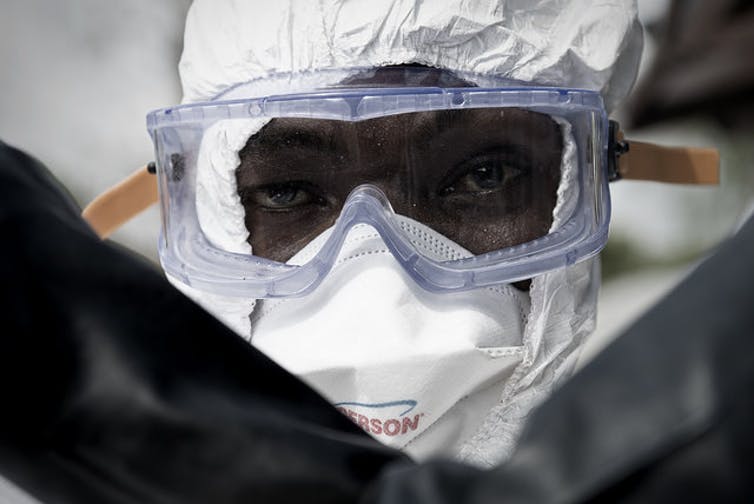
Jennifer Welsh, PhD Candidate, Australian National University and Ellie Paige, Research Fellow, Australian National University

This article was originally published on The Conversation. Read the original article.

DRC and its neighbours mobilise resources to tackle Ebola outbreak

USAID/flickr

Chikwe Ihekweazu, UCL

At least 17 people have died in an outbreak of Ebola Virus Disease in the north west of the Democractic Republic of the Congo (DRC) in the town of Bikoro. Ebola is endemic to the country. But the number of deaths in a short period is cause for concern. The Conversation Africa’s health and medicine editor Candice Bailey spoke to Chikwe Ihekweazu in Nigeria.

What are the critical steps that the DRC needs to take now that the outbreak has been confirmed?

Health authorities have learnt many valuable lessons from previous Ebola outbreaks – particularly the outbreak in 2014 in West Africa where more than 11 000 people died.

Because the DRC has had so many outbreaks it’s developed the capacity to deal with new ones. But, as with every other disease that threatens global health security, it is critical for nearby countries to collaborate with it to ensure the outbreak stays under control.

Bringing the outbreak under control has two important phases. Firstly, health authorities in the country must define its scale. Secondly, they have to interrupt its chains of transmission as quickly as possible.

Our colleagues at the Centre for Disease Control in the DRC are currently evaluating the people who are infected. There are several pieces of information that they want to establish: when and where people were infected, where they they’ve been – or travelled to – since being infected. This will give them a better understanding of the extent of the person-to-person transmission.

Once this has been established, the government can respond. Several control activities will be initiated almost immediately covering both prevention as well as treatment. From a prevention perspective, it’s important for the government to engage with communities so that people understand the outbreak and how quickly the virus is able to spread.

From a treatment perspective, health authorities need to set up treatment centres and access to laboratory diagnosis. Given the death rate, epidemiologists will have to be on hand to carry out detailed investigations on the origins of the outbreak. This is the only way the chain of transmission can be broken.

The DRC has had numerous outbreaks of Ebola. What challenges does the country face handling a virus like this?

The DRC has had more Ebola virus outbreaks than any other country in the world. Over the past 10 years there have been five: 2007, from 2008 to 2009, 2012, 2014 and 2017.

As a result the country has gained a lot of experience in how to control the disease. But there are still many unknowns. One of the most critical gaps is understanding the transmission dynamics of the virus from its animal reservoir to humans.

The country has good systems for diagnosing the disease – its reference laboratory was able to test and confirm cases within 24 hours. But when it comes to surveillance and monitoring its systems are weak. Stronger surveillance systems would ensure that cases were reported early, and a country-led response mounted.

Nigeria is on high alert following the outbreak in the DRC. What are the concerns?

Nigeria, as well as other countries in Africa are at medium risk, according to a classification by the World Health Organisation.

Nigeria has learnt that it is better to be prepared than to be caught unaware.
To mitigate the risk, the country’s Centre for Disease Control has taken extra precautionary measures. This has included placing its emergency operations centre on alert and issuing a public health advisory. In addition, the national port health services have heightened screening at points of entry.


Read more:
How Nigeria beat the ebola virus in three months


There are also protocols in place to ensure that if a case is suspected, it’s detected early and response activities are initiated immediately.

It’s important for countries to ensure that their citizens are well aware of the risk the disease poses. Nigerian health authorities are working hard to ensure that this happens.

What steps will Nigeria take to help the DRC?

The ConversationDuring the 2014 Ebola outbreak, the African Union arranged for health workers from Nigeria to go to Liberia and Sierra Leone. As a result of this initiative, Nigerian health authorities have a large cohort of well-trained resources that can be deployed to support the country if that’s needed.



Chikwe Ihekweazu, Senior Honorary Lecturer on Infectious Diseases, UCL

This article was originally published on The Conversation. Read the original article.

What should I eat to improve my skin?

Fruits and vegetables are wonderful for our bodes in many ways.
ja ma/Unsplash

Emily Burch, Griffith University

“Get radiant skin!” “Banish your pimples!” “Glow from the inside out!”

These are some statements that pop up when asking Google the age-old question: what should I eat to improve my skin?

Recommendations usually include cutting out chocolate, other junk foods and dairy products. But is there evidence to actually support this?

Chocolate

Researchers started exploring the link between diet and skin health, particularly acne, in the mid-1900s. Dermatology textbooks from the 1930s advised restricting carbohydrates, sweets and junk foods to improve acne. But these recommendations were based on doctors’ experiences and observations, not quality research.

Chocolate is one junk food that often gets blamed as an aggravating factor of acne. In a 1969 study, 65 people with acne were asked to eat one chocolate bar per day for four weeks. They were either given a bar that contained ten times the amount of chocolate found in a typical bar, or a bar that looked identical but contained no chocolate.

Results showed participants who ate the chocolate bars did not have more breakouts than those who didn’t eat the chocolate.

Studies on whether chocolate has an effect on your skin are so far inconclusive.
Charisse Kenion/Unsplash

Similar results were found in a 1971 study. Twenty-seven students who reported being sensitive to dietary acne triggers ate large amounts of chocolate, milk, roasted peanuts or soft drinks for one week. No significant difference in the number of breakouts was observed between the groups.

But these studies also had some major limitations. The 1969 study was sponsored by the Chocolate Manufacturers Association of the United States of America. And both studies did not assess participants’ intake of other foods during the study period, which may have influenced their complexion.


Read more:
Research Check: does eating chocolate improve your brain function?


More recently, a 2011 study including ten men aged between 18-35 found significant changes occurred in the severity of acne after a single intake of pure chocolate (100% cocoa). There was a strong association between the amount of chocolate consumed and the number of breakouts four and seven days after they ate the chocolate.

So overall, study findings show conflicting results, and clear recommendations about chocolate cannot yet be made.

But better-quality research does suggest other dietary strategies worth trying if you want to improve your skin. These include eating more fruits and vegetables as well as foods with a lower glycaemic load.

Glycaemic load

The glycaemic index (GI) is a ranking between 0-100 given to carbohydrate-containing foods to describe how quickly the carbohydrates are digested into glucose (sugar) and absorbed into our blood. The lower the GI, the slower the rise in blood glucose levels when the food is consumed. Most junk foods (candy, chips and cakes) have a high GI.


Read more:
GI diets don’t work – gut bacteria and dark chocolate are a better bet for losing weight


Glycaemic load (GL) builds on the concept of GI but also considers the amount of food being eaten. This provides a more accurate picture of the overall effect the food has on blood glucose levels.

Once the glucose enters the blood, a hormone called insulin moves it into our cells to be used for energy. Diets with a high GL trigger a higher response in insulin. This high level of insulin increases a hormone called the insulin-like growth factor (IGF), which has been associated with skin breakouts – like pimples.

Junk foods have a high glycaemic index.
from shutterstock.com

In a 2008 randomised control trial (considered the gold standard in scientific research as it compares findings between two groups), 31 males with acne, aged 15-25, were asked to follow either a low-GL or a high-GL diet for 12 weeks. The low-GL group was instructed to substitute high-GI foods (processed cereals, potatoes and white bread and rice) with lower-GI foods (lean meats, fruits and wholegrain bread and pasta).

The high-GL group was encouraged to include carbohydrates as a regular part of their diet and wasn’t educated about GI. Those following the low-GL diet saw their acne improve and lost more weight.

A 2007 randomised controlled trial had similar findings. But because participants in both studies who were following the low-GL diet lost weight, it’s also possible improvements in their skin were due to weight loss and not the diet itself.

Fruit and vegetables

Fruits and vegetables are wonderful for our bodies in many ways, but research shows they can also give our skin a natural, healthy glow – by tinting it yellow and red.

Our skin colour is influenced by three pigments – haemoglobin, carotenoids and melanin. Many fruits and vegetables contain carotenoids. These are responsible for the deep green colour of broccoli and spinach, the vibrant orange colour of carrots and oranges, and the red hue of capsicums and tomatoes.

Eating lots of oranges could give your skin a healthy, golden glow.
freestocks.org/Unsplash

When you eat fruits and vegetables, these pigments can accumulate in your skin, leading to a healthy golden glow. The same benefits haven’t been seen with supplements, so it’s best to get your carotenoid hit from eating lots of different fruits and vegetables.


Read more:
Food as medicine: why do we need to eat so many vegetables and what does a serve actually look like?


What about milk?

Milk naturally contains anabolic steroids, growth hormones and other growth factors. In a complicated metabolic pathway, these factors lead to a higher release of insulin and insulin-like growth factor, which can stimulate the development and progression of acne.

A number of studies have examined the alleged connection between milk and acne. In 2005, 50,000 women recalled their high school diet and were asked if they had ever been diagnosed with severe acne by their doctor.

Researchers found those who had a higher reported intake of milk (particularly skim milk) more commonly suffered from acne. A 2006 study with around 6,000 teenage girls and a 2008 study with around 4,700 teenage boys showed similar results.

Milk has been associated with acne development.
from shutterstock.com

But no randomised controlled trials have been conducted that examine the association between milk and acne. This means whether dairy is a cause of acne hasn’t yet been established. High-quality research is needed before specific recommendations can be made.

If you are trying to improve your skin’s complexion, you could try these strategies:

  • reduce high-GL foods by decreasing the amount of processed, junk food you eat
  • add low-GL foods that won’t spike your blood glucose levels (vegetables, sweet potatoes, barley, beans and multigrain bread)
  • The Conversationeat a diverse range of fruits and vegetables to get a healthy glow.

Emily Burch, PhD Candidate, Griffith University

This article was originally published on The Conversation. Read the original article.